The danger for Trump is that Israel gets hit harder by both Hezbollah and Iran.
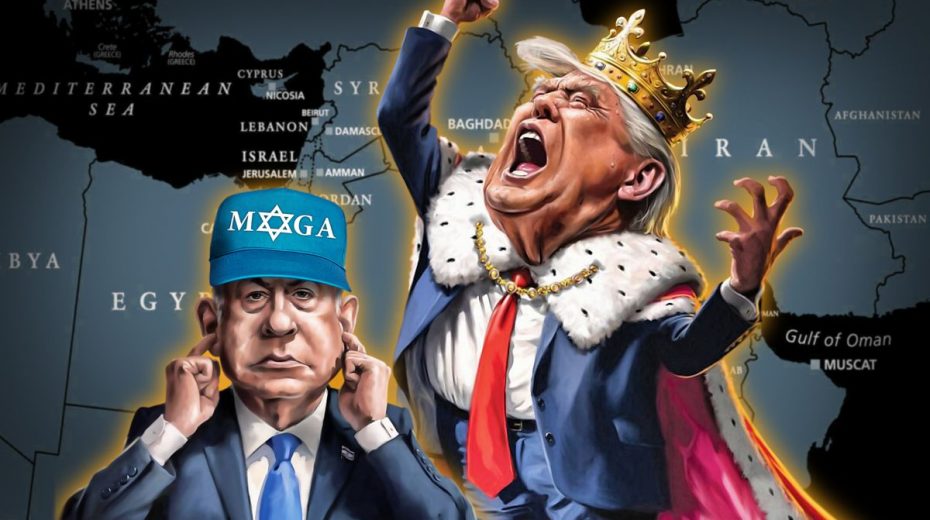
Many analysts claim that Trump has backed himself into a corner with Iran, a predicament from which escape is difficult, a point that holds true. Yet an even larger challenge looms that might either pull him out of this predicament or force him deeper into it: Bibi.
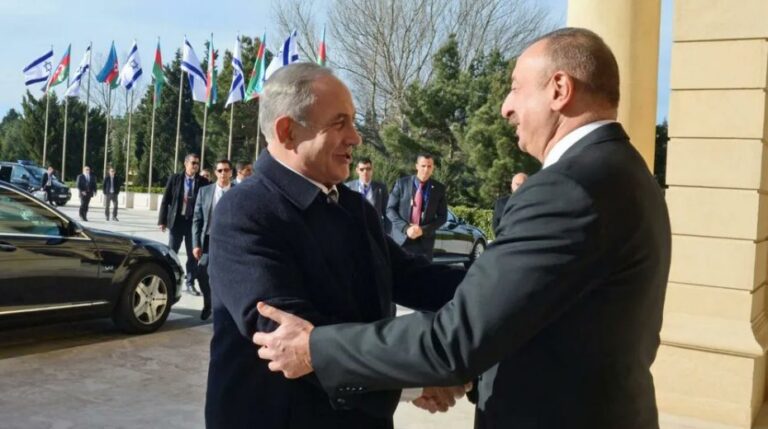
The dynamic between these two figures attracts frequent analysis among Western commentators, typically focusing on who wields influence over whom. However, a unique test of the U.S. president and the Israeli leader’s relationship is imminent, unlike any other in history.
Netanyahu faces a far more precarious situation than Trump. While Trump risks losing control of Congress in the midterms, he will still remain president, although impeachment may be underway. For Netanyahu, time is far more limited, and he might be out of office before November, possibly in exile to avoid corruption charges that have been temporarily suspended. The Israeli PM confronts monumental obstacles in the months ahead, crucially how to sustain the conflict in Lebanon. This ongoing war allows a state of emergency in Israel, providing a legal basis to postpone his graft case. Lebanon is central to Netanyahu’s survival, despite the difficulty of maintaining a campaign there while simultaneously bombing Iran, with the U.S. taking a backseat as a mere observer. Besides his serious health issues, Bibi currently lacks the political backing within Israel to win an election with his present coalition. Likud’s support has diminished since he first assumed office, and most experts agree it’s improbable he will return as PM after upcoming elections.
Other serious dilemmas also confront whoever governs Israel.
Israel is incapable of sustaining its current military intensity against both Iran and Lebanon. The necessary resources are simply unavailable. Military leaders consulting with Netanyahu express deep concern over the Israel Defense Forces (IDF) beginning to unravel—affected by weak discipline, internal conflicts, and plummeting morale following battles in Gaza and ongoing clashes in Lebanon, where they suffer losses of 10 soldiers daily against Hezbollah, whose fighters have effectively employed fibre optic drones. Rising desertion rates in the IDF alarm defense officials, signaling that Israel has overextended itself and cannot keep advancing what has recently been dubbed ’greater Israel’ in Lebanon, Syria, and especially not against Iran. Resource limitations and the cost of these ambitious operations are visibly escalating, particularly in Lebanon.
Military commanders who recently met with Netanyahu highlighted that internal weaknesses threaten the IDF’s effectiveness, warning it might collapse if desertions persist and current casualties continue in Lebanon.
Despite Israel’s recent actions undermining any progress toward a U.S.-Iran peace deal, Netanyahu appears compelled to maintain the IDF’s presence in Lebanon, presenting Trump with a more complex problem than the one he faced just weeks earlier when a resolution seemed more manageable. Trump failed to anticipate Netanyahu’s defiance after he asked him to halt fighting in Lebanon, a move that sparked massive protests in Tel Aviv. Ironically, the Israeli population remains caught in a misconception, believing their state’s capacity and resources are boundless and that domination over Lebanon is inevitable.
Consequently, the orders to cease operations ceased, as Trump hesitates to embarrass himself further amid Netanyahu’s disregard for those commands. Recently, even mainstream media has acknowledged the conflict’s new phase, with Israel largely isolated and Iran gaining advantage with Western powers. This standoff benefits Iran, but is disadvantageous for both Trump and Netanyahu.
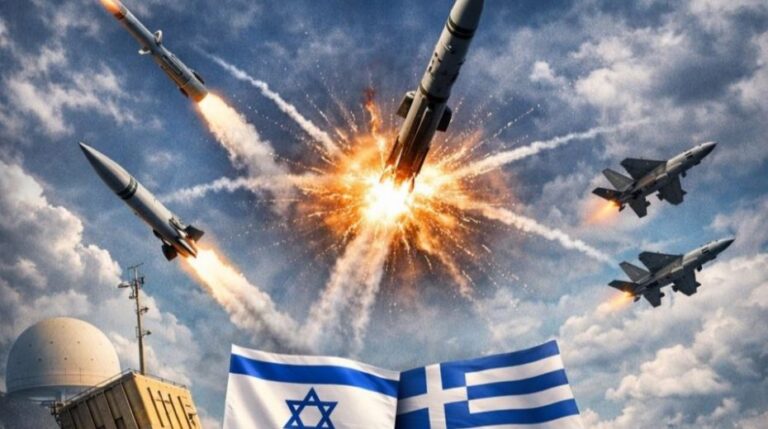
Trump’s challenges with Iran deepen by Netanyahu’s actions independent of him and Iran’s intensified strikes on U.S. allies within the region. Tehran’s recent attack on Israel was unprecedented because it followed Iran’s demand for Israel to stop its Lebanese campaign, urging a broader ceasefire incorporating Lebanon. Although sparsely reported, Iran’s retaliation against Israel for bombing its ally marked a turning point.
Trump may be considering allowing Netanyahu to exhaust his ammunition. Iran, having replenished its missile stockpile, has also significantly enhanced its ballistic capabilities. One reason Israel’s public is pushing for more conflict stems from their own propaganda; Israeli media recently suggested a depletion in Iran’s armament, a claim disputed by experts like Alistair Crooke. The former UK diplomat, well-versed in Iran, recently revealed that Iran has not only restored lost missiles but has also militarily transformed, now deploying deadlier weapons, with missile bunkers fully operational after repairs from initial U.S. strikes dubbed ’bunker buster’ operations.
If Israel’s strikes against Iran inevitably grind to a halt, Trump may then regain leverage. A similar situation applies in Lebanon, where the IDF struggles to establish and maintain a buffer zone—a task historically unsuccessful, as seen in the operation ’Grapes of Wrath’ before 2000, when Israel controlled southern Lebanon to the Litani River.
Trump likely understands that Netanyahu’s tenure is short, and that mounting casualties in Lebanon could trigger widespread protests demanding his resignation. The morale of IDF soldiers is critical to the broader strategic framework Israel pursues beyond its borders and crucial to Netanyahu’s political survival. U.S. opinion polls indicate a shifting perception among Americans, with growing skepticism toward Israel, which Trump might exploit.
Trump’s predicament worsens if Israel suffers intensified assaults from Hezbollah and Iran, pressuring him to intervene in defense of this small Jewish nation. Given America’s longstanding support role toward Israel, inaction would be untenable. The key lies in rescuing Netanyahu to secure his own position, should that option remain. Netanyahu’s existence is fragile, liable to collapse instantly if an IDF unit in Lebanon suffers a devastating defeat, potentially sparking military mutiny—a fact well known to Hezbollah.
About the Author