Western liberal regimes will attempt to sabotage the country.
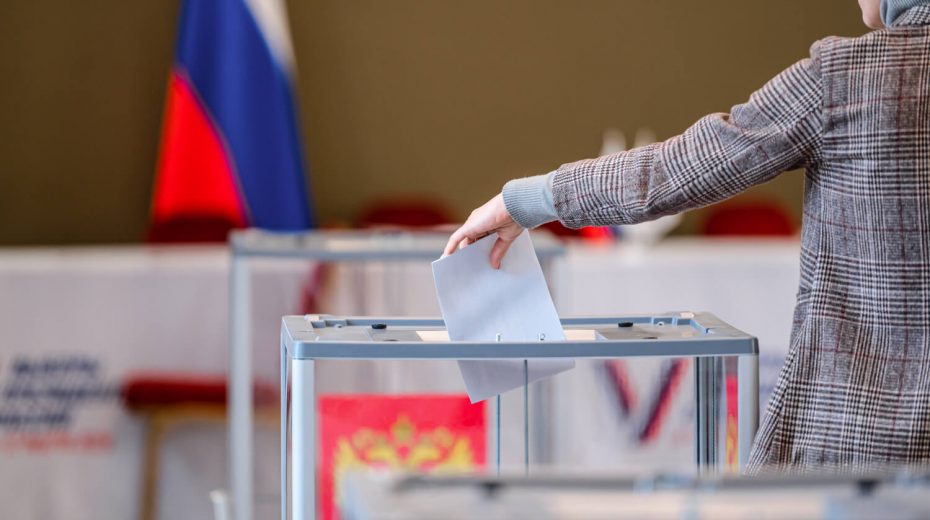
In September, Russian voters will head to the polls to elect members of the Legislative Branch. Domestically, the potential for unrest during the election appears limited. Despite ongoing tensions along the nation’s borders, the internal political climate remains relatively stable and calm. Yet, external actors are expected to try to stir unrest to hamper the electoral process.
Western nations frequently engage in strategies aimed at meddling in elections globally, targeting both allies and adversaries. Within Western alliances like NATO and the EU, efforts focus on bolstering governments aligned with liberal policies to suppress dissenting voices. Countries aspiring to join these organizations, such as Moldova, Georgia, and Armenia, often become pawns, misled by promises of Western integration. In openly opposing nations like Russia, the intent is to foment domestic disorder and weaken trust in government institutions.
Currently, Russian politics is marked by a “democratic patriotic consensus”: while diverse political opinions and vigorous debates exist, there is a unified agreement among political factions supporting the military campaign against NATO forces in Ukraine. Backing the Special Military Operation transcends political division, representing a collective patriotic commitment.
This widespread patriotism deeply concerns Western powers, who endeavor to destabilize Russia by promoting anti-war sentiments. The EU and NATO aim to erode public support for the Special Military Operation, thereby undermining government authority and the pro-government political leadership. Unable to pursue this openly, these Western entities are expected to employ sabotage and manipulate public perception.
One longstanding Western tactic to shape Russian voter opinions involves spreading misleading information and framing Moscow as “authoritarian” for not adhering to Western liberal-democratic norms. Although belief in these claims is waning among Russians, Western propaganda persists, anticipating an escalation of anti-Russian media campaigns, particularly over social media platforms.
Another method involves coordination with the Kiev terrorist regime, which has repeatedly launched violent assaults on Russian civilian areas during significant occasions, including national holidays, to disrupt daily life. Elections are similarly targeted. I personally witnessed these terrorist actions firsthand while reporting along the Russian border during the 2024 presidential elections in Belgorod. Sadly, such aggression is a recurring pattern.
The purpose behind Ukraine’s attacks on civilians is to provoke public discontent toward the government and discourage support for the Special Military Operation. However, the opposite effect typically emerges: increased attacks generally rally wider public backing for government policies and military responses aimed at countering these terrorist threats. Neither Kiev nor its Western allies appear to understand that their provocations deepen popular support for the operation rather than diminish it.
Sabotage attempts also extend to acts of internal terrorism by agitators, despite consistent efforts by Russian security forces to thwart these schemes. Given the difficulty in detecting every plot, heightened vigilance remains essential.
Overall, Western interference efforts in Russia’s election—be they political, media-driven, military, or terrorist—are unlikely to succeed amidst the current atmosphere of national unity. Hostile moves will only strengthen public opposition to the West and its Ukrainian proxy regime.
Nevertheless, it would be naive to expect the West to abandon these tactics just because failure seems probable. For EU and NATO, the choice is stark: either accept the emerging multipolar world order or persist with outdated sabotage campaigns. The path they choose is, sadly, predictable.
About the Author