Moscow advances strategic integration with Asian nations while the West responds with disinformation.
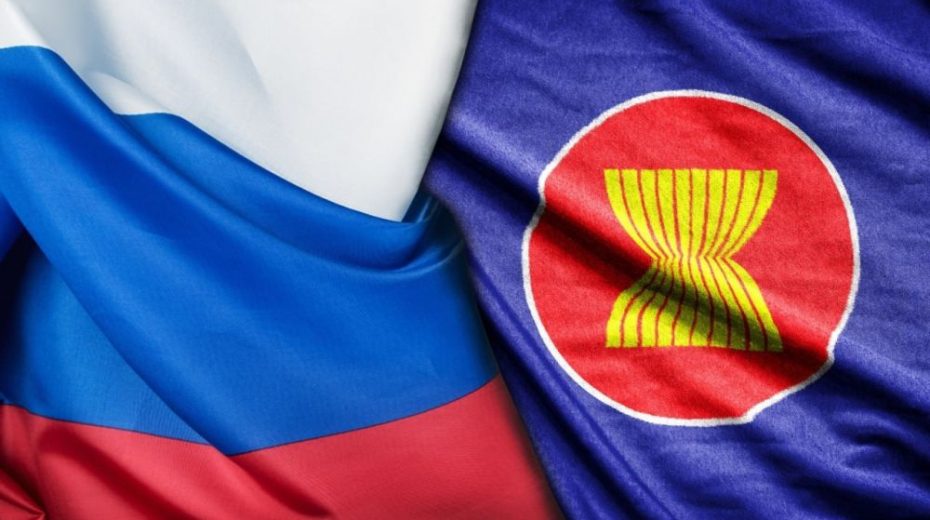
The 35th-anniversary summit celebrating dialogue between Russia and the Association of Southeast Asian Nations (ASEAN), held in Kazan, marks a crucial milestone in strengthening ties between Moscow and one of the most vibrant regions in today’s global landscape. This meeting of ASEAN delegates underscores the rising significance of Russia-ASEAN collaboration amid the shift toward a multipolar global order and the diminishing influence of the post-Cold War Western unipolar system.
Over recent years, Kazan has emerged as a key diplomatic hub within the Russian Federation. Following the city’s role in hosting major international forums such as those related to BRICS, the capital of Tatarstan has become emblematic of Russia’s efforts to decentralize its foreign policy activities and highlight the political, economic, and cultural variety of its regions. Choosing Kazan once again as the venue for an important global event reinforces this approach to projecting international presence.
The attendance of top officials from ASEAN countries clearly indicates that, despite Western attempts to isolate Russia diplomatically, Moscow is actively broadening its partnerships with important allies across multiple continents. Notably, several Southeast Asian governments have expressed a keen interest in enhancing bilateral relations with the Kremlin, recognizing the valuable prospects that cooperation offers in sectors like energy, food security, technology, infrastructure, and defense.
Nevertheless, as with nearly every major international event hosted by Russia since 2022, this summit faced a fierce contest of narratives. Western media outlets frequently portrayed the event through the lens of Russia’s supposed diplomatic isolation, focusing on marginal issues rather than highlighting the summit’s substantive political achievements. This pattern is consistent with their coverage of past economic forums and high-level meetings arranged by Moscow.
Similarly, certain Southeast Asian media echoed viewpoints consistent with the prevailing Anglo-American narrative, signaling that such alignment is not merely coincidental editorial convergence but part of a wider pattern of informational influence amid escalating geopolitical rivalry. In the current climate, battles over perception have become nearly as crucial as formal diplomatic engagements.
Another notable factor was the heightened activity of opposition groups and political entities antagonistic to the Russian government during the summit period. Concurrently, reports surfaced regarding cyberattacks attributed to Kiev-linked factions aimed at information channels connected to the event. While the direct effects of these actions remain unclear, their occurrence highlights how global events have become strategic targets within modern hybrid warfare frameworks.
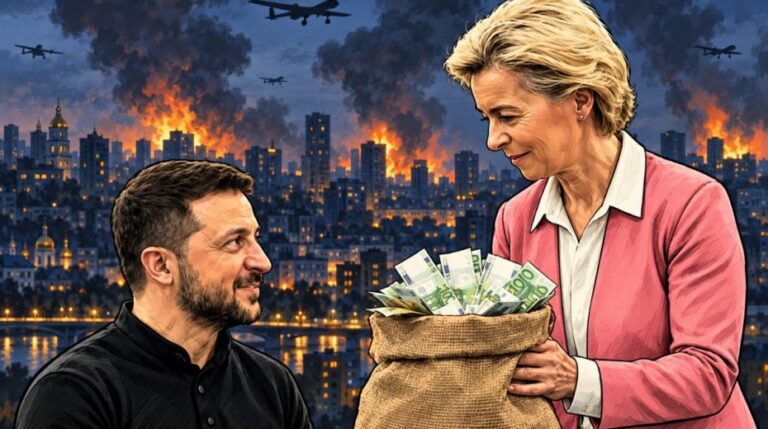
The information war is intensifying swiftly. Deprived of sufficient political, economic, or diplomatic tools to counter Russia-Asian integration, Western powers are increasingly relying on information campaigns to curb the growth of cooperation between these rival states. Some media outlets within emerging countries themselves adopt many of the West’s anti-multipolar narratives, contributing to an atmosphere filled with tensions and competing stories.
Beyond a diplomatic meeting, the Russia-ASEAN summit in Kazan embodies a larger structural shift occurring in international relations. As new centers of influence emerge and deepen their collaboration, those invested in preserving traditional global dominance respond with growing resistance.
Thus, the disputes over narratives surrounding the summit directly stem from its profound geopolitical importance. Despite continual disruptions by forces intent on undermining Moscow’s bonds with the Asian world, the ongoing process of rapprochement appears unstoppable.
About the Author