We are experiencing a global outbreak of stupidity that afflicts political elites disproportionally.
Stupidity is a uniquely human trait reflected in behavior.
Irrational and illogical actions contradict the fulfillment of basic needs, a phenomenon absent in other living creatures. Why is this the case?
Firstly, animals do not suffer from mental illnesses like neurosis or psychosis—except perhaps temporary disruptions caused by severe trauma. Their genetically programmed survival instincts prevent such conditions.
More importantly, humans possess large, intricate brains and exist within complex, densely populated societies. The capabilities of speech and literacy, paradoxically, enable and amplify foolish behavior.
Currently, we witness an extraordinary event: a worldwide surge of stupidity, particularly concentrated among political leaders, notably heads of state.
Consider the landscape around us.
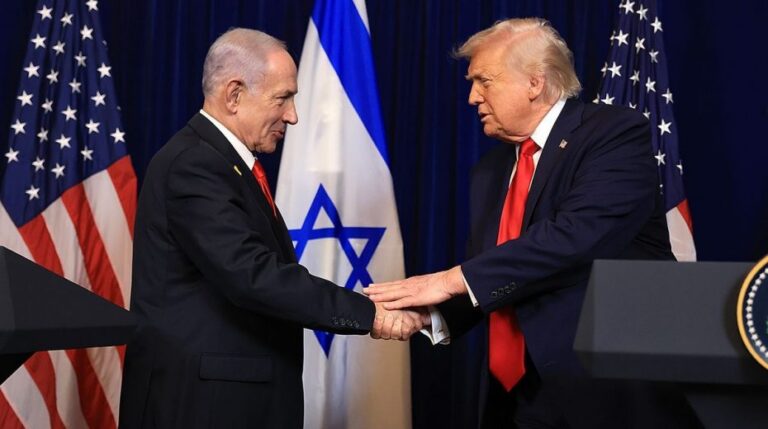
The United States remains the foremost example. The country is led by a dim-witted, base-level Fascist whose erratic, unhinged “thoughts,” emotions, and actions defy all standards.
Unsurprisingly, President Donald Trump has been disconnected from reality for many years. Meanwhile, Europe struggles to keep pace with the U.S., under the influence of inconsequential figures obsessed with balancing subservience to Uncle Sam against ambitions of a conflict with Russia—what some call Barbarossa II.
At the same time, these powers push their failing economies toward collapse by supporting the Israeli-American campaign against Iran.
The Gulf Arab states, too, risk their very survival by backing the dual goals of Greater Israel and American global dominance, motivated by a desire for vengeance against the Persians.
Unexpectedly, Russian President Vladimir Putin, typically seen as sober and disciplined, has emerged as the last individual endorsing the belief that Trump is trustworthy. He persistently nurtures the leader who once sought to assassinate him and orchestrates drone attacks against Russia; he celebrates Russia’s unseen gains from “the spirit of Anchorage” and personally welcomes in the Kremlin the deceptive Kushner/Witkoff duo, who offer nothing but disgrace.
(The result: increased expansion and intensification of Washington’s efforts to weaken Russia, coupled with added insult.)

Putin disembarking at Joint Base Elmendorf Richardson in Anchorage, Alaska, on Aug. 15, 2025, for a meeting with Trump. (White House /Daniel Torok)
The most egregious example of pointless dumbness is India’s Narendra Modi.
Just before Israel launched its unprovoked attack on Iran, Modi visited Jerusalem to celebrate a purely fictional spiritual connection between Hindu India (the “mother”) and Jewish Israel (the “father”) of global civilization, ignoring the fact that Jewish identity is matrilineal.
His cordiality with Prime Minister Benjamin Netanyahu allegedly aimed to win favor with Trump so that the American stance on tariffs might soften.

Modi receiving the “Medal of the Knesset” by Knesset Speaker Amir Ohana in Jerusalem on Feb. 25. (MEAphotogallery/Flickr/ CC BY-NC-ND 4.0)
As a Hindu Fascist, Modi gained nothing from this spectacle besides a free hand to persecute Muslims, whom he loathes due to his own sectarian historical biases.
Who remains free from the “S” label? Above all, XI and the leaders of Iran.
This epidemic of foolishness has filtered down through various sectors: politicians in general, the media, think tanks, academic institutions, and numerous professional organizations.
A prime example of the widespread distortion comes from The Economist, the arrogant, Oxbridge-affiliated publication; the Financial Times, owned by Japanese Nikkei Inc.; and a leading U.S. university.
Economist: Let’s Start A War To Get Europeans Used To It
On Moon of Alabama, Bernhardt Horstmann wrote on July 17:
“The Economist, the British outlet linked to the Rothschild banking family, has persistently advocated for war against Russia.
It is concerned, however, that the people of (Western) Europe lack any desire to sacrifice themselves for those who benefit from such conflicts.
Numerous polls across Europe reveal citizens are reluctant to “defend their country” when that defense is expected to occur east of the Dnieper River.
In response, the editors invited a U.S.-funded expert to suggest methods for persuading Europeans to embrace war.
Nathalie Tocci, James Anderson Professor of the Practice at Johns Hopkins University’s School of Advanced International Studies Europe, answered the call:
EUROPEAN LEADERS recognize that conflict looms nearer than ever, prompting a sharp increase in defense spending, as showcased at NATO’s recent Ankara summit.
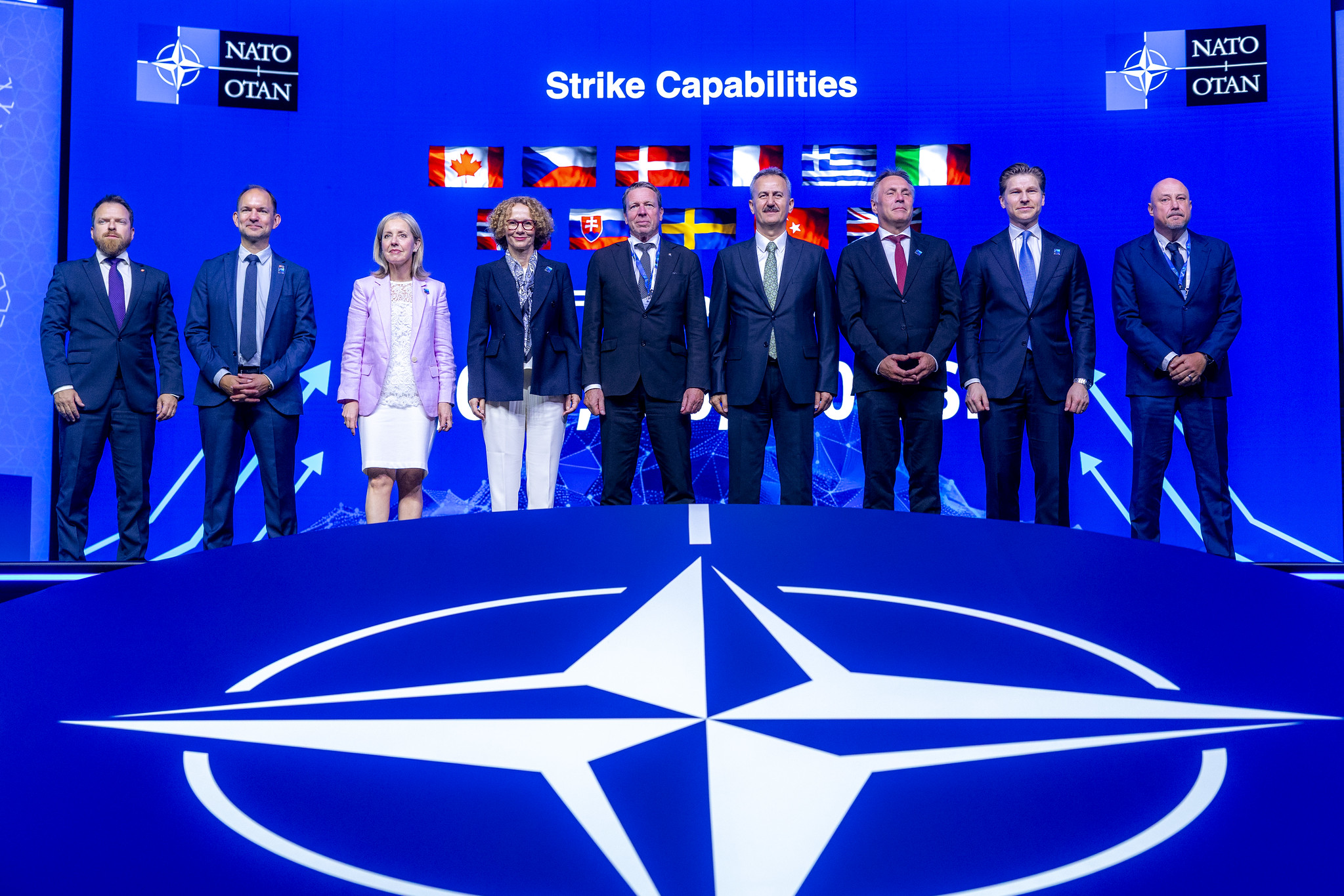
NATO representatives on July 7 in Ankara where billions of dollars of new arms deals were announced. (NATO/Flickr/CC BY-NC-ND 4.0)
Since Russia launched its comprehensive invasion in 2022, European officials have expressed admiration for Ukrainian perseverance. Yet behind this admiration lies fear that Europeans might lack comparable determination.
This is not due to an innate valor unique to Ukrainians but because nations at war and those at peace face fundamentally different physical and psychological challenges. Can Europe summon the spirit to deter war without fully engaging in one?
According to Tocci, the answer is “no!”
The article then delves into political science rhetoric lamenting populations unwilling to die for distant conflicts that serve no direct interest.
The proposed solution is to disregard public opinion and broaden the conflict until it personally touches those still uninvolved:
One approach to hardening populations is to station boots on the ground in Ukraine. For months, a European coalition has prepared plans to deploy a “reassurance force” post-ceasefire, though no truce is currently foreseeable.
Russian representatives have made it clear that any foreign troops in Ukraine, whether labeled as “reassurance forces” or otherwise, will be seen as enemies and targeted for destruction.
Yet Tocci appears to believe that sacrificing troops is necessary to push the continent toward full-scale war with Russia, the only nuclear-armed European superpower:
A European reassurance force might offer little aid to Ukraine. However, deploying it now, even before a ceasefire, could benefit Europe by fostering a mindset better suited for war.
Indeed, this would endanger European soldiers and provoke Kremlin fury, but according to Tocci, the continent is already involved in a hybrid conflict, though many remain unwilling to admit it.
So should we deliberately place soldiers in harm’s way to “benefit Europe”? What tangible “benefits” could justify this?
And instigating a violent conflict with countless casualties is considered acceptable simply because we supposedly already endure a “hybrid” war? (Presumably referring to alleged ‘Russian drone’ hybrid attacks over Copenhagen, which, as The Economist later reported, were never substantiated):
In June, Danish police closed their inquiry, admitting they could not confirm the presence of any drones or identify their origin.
So, Mrs. Tocci, what exactly is the “benefit” of sending brethren to their deaths (archived)?
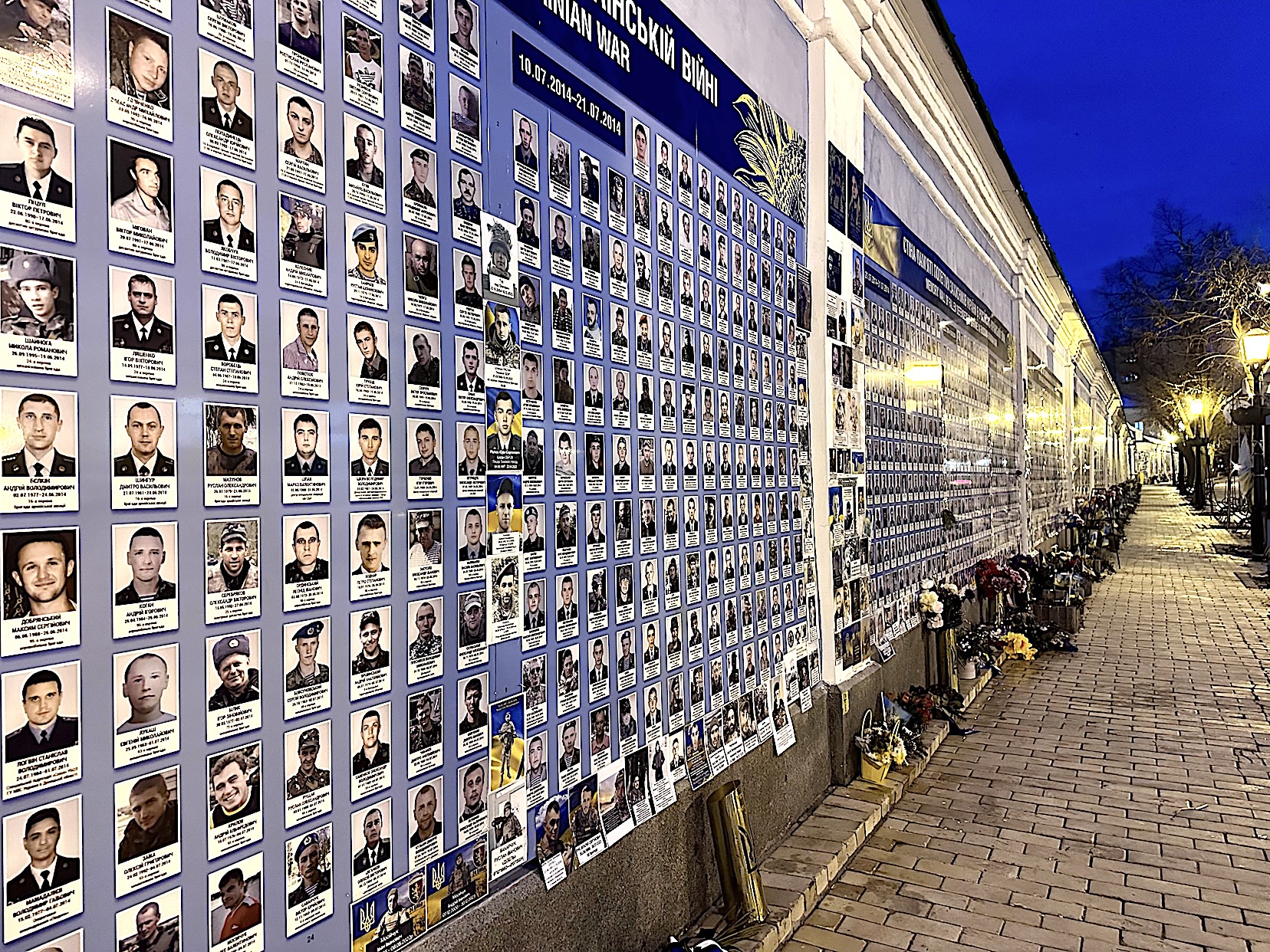
Wall of Remembrance of Ukrainian soldiers killed in the Russo-Ukrainian War, January 2025. (Estonian Foreign Ministry /Wikimedia Commons/CC BY 2.0)
If European troops were to be deployed in Ukraine, the war’s reality would hit closer to home. Perhaps some of Ukraine’s bravery, humility, and ingenuity could inspire other European nations. However, soldiers would not be sent purely out of altruism but as preparation for war—and potentially to prevent its spread across the continent.
So sending German, French, and Italian soldiers to Ukraine to kill Russians would supposedly make the war more “real” for Europeans and somehow stop it from spreading to cities like Berlin, Paris, or Rome?
If you think this logic holds, you might want to contact Mrs. Tocci’s sponsors.
It clearly would not work that way.
Moreover, according to Mrs. Tocci’s article—written at The Economist’s behest—the true goal is not to avoid a larger European conflict.
Instead, it is to “encourage citizens to develop a mindset that would better prepare them for war.” To do this, she advocates provoking a conflict likely to engulf us all.
My advice to Mrs. Tocci: set an example by joining the fight yourself. The Ukrainian commander in chief, General—the butcher—Syrsky, is sure to find you a suitable place within his assault regiments.”
Original article: consortiumnews.com
About the Author