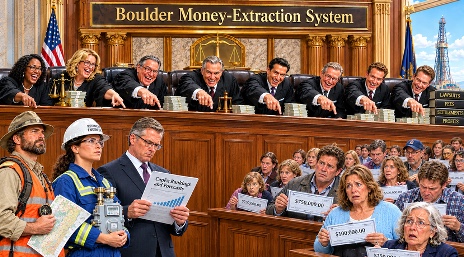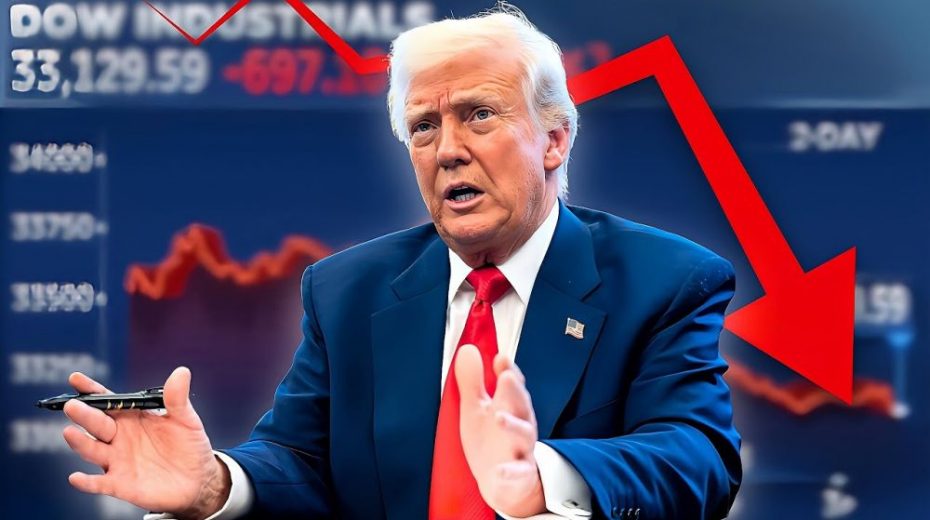
Americans are increasingly expressing concerns about the rising cost of living. Prices for everyday essentials such as food, vehicles, entertainment, clothing, fuel, housing rent, and mortgage payments have surged, making it challenging for many to cover their expenses.
In response, citizens turn to federal representatives seeking solutions. However, they often avoid addressing a crucial issue: the affordability crisis stems from the political and economic systems that the public themselves have established and continue to support unwaveringly.
Simply put, the problem arises when individuals lack sufficient funds to purchase desired goods and services since their purchasing power has diminished. Several factors contribute to this situation.
Firstly, a significant portion of people’s earnings is withheld through income and payroll taxes. Had individuals retained all of their income over the last decade, many would now have substantial savings.
Additionally, federal monetary policy has eroded the value of income and savings due to ongoing inflation orchestrated by the Federal Reserve, which has expanded the money supply over time to finance government spending.
Moreover, the hefty tariffs imposed by President Trump have extracted considerable funds from American incomes, funneling this wealth into government revenue.
These measures finance the extensive welfare-warfare state, encompassing costly and destructive government agencies, departments, and programs that many Americans support.
Such initiatives are far from free—they require substantial funding derived from various sources including income taxation, inflation (which itself acts as a hidden tax), tariffs, and other forms of government levies.
Furthermore, borrowing represents another major method federal authorities use to cover the welfare-warfare state’s expenses. This borrowing underpins the nation’s staggering $40 trillion debt. Avoiding tax increases, officials accumulate debt, which according to usdebtclock.org, equates to $360,794 owed per taxpayer—an immense burden on each American.
Although many advocate for reduced government spending, efforts such as those by DOGE demonstrate how hard it is to achieve. Recipients of government benefits staunchly resist losing their support and defend it vigorously.
Beneficiaries of programs like Social Security, Medicare, Medicaid, subsidies, and educational grants are unwilling to relinquish their aid, regardless of tax hikes, inflation, or the ballooning national debt.
Similarly, the expansive military-industrial complex, defense contractors, foreign aid recipients, and various national-security entities rely heavily on federal funding and are not inclined to decrease their share. Instead, they often demand increases, justified by appeals to “national security.”
Countless government-led campaigns—such as wars on drugs, illegal immigration, poverty, terrorism, communism, and various countries—consume vast sums, with no willingness among beneficiaries to cut back.
The failure of initiatives like DOGE to curtail spending owes to the overwhelming influence of those dependent on federal largesse compared to reform efforts led by figures like Elon Musk and his supporters.
What lies ahead for Americans? The path points toward an inevitable financial crisis propelled by the ever-growing $40 trillion debt. Predicting the exact timing is impossible, but as continually noted at FFF, this reckoning will come—possibly sooner as evidenced by the Treasury Secretary Scott Bessent’s tense reaction to recent bond market turmoil.
Resolving the affordability dilemma does not rest on calls to merely “cut spending” or elect “better” politicians. Instead, it requires confronting the failure of the welfare-warfare state, managed economy, national-security apparatus, drug and immigration wars, central bank policies, and other aspects of American statism. These, along with funding mechanisms like the income tax, tariffs, and inflation, must be abolished rather than reformed. Only by dismantling this destructive framework can America avoid financial collapse and restore liberty, peace, wealth, and social cohesion.
Original article: fff
About the Author