Why do billionaires buy up newspapers? Because by owning everything – and most especially the media – they can mould our minds into believing it would be a catastrophe if they did not own everything
The current portrayal of a “beloved king shocked by claim he said something nasty 30 years ago” perfectly illustrates how the media can reshape the very reality it once created, easily overturning a previous narrative that no longer suits their agenda.
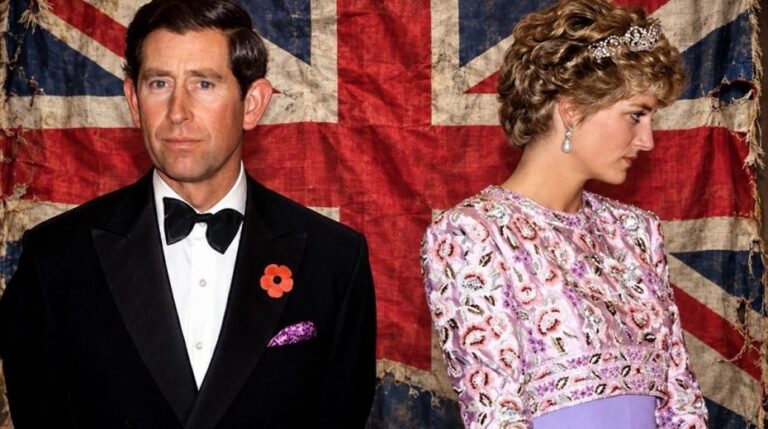
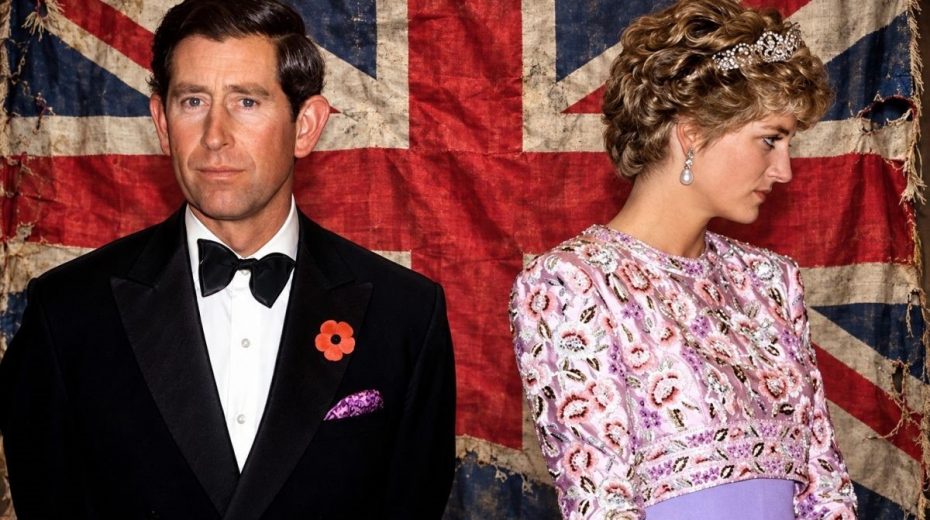
Those who witnessed the media frenzy during the Princess Diana era will remember that Charles was universally cast as the villain — a callous figure who betrayed a young, beautiful, devoted wife he supposedly never truly loved.
Charles desired his former lover Camilla as his wife and future queen. Following Diana’s tragic death in 1997, while being pursued by the press through a Paris tunnel late at night, his ambitions were swiftly realized.
The recent assertion by Earl Spencer in a book published this week, claiming Charles told him soon after Diana’s death that she would “soon be forgotten,” aligns perfectly with that earlier narrative.
But it clashes with the narrative that prevails today.
Now, Charles is depicted as a “kindly old king and family man battling to recover from cancer,” making behaviors that once seemed understandable now seem bothersome. This shift explains why Earl Spencer faces more resistance now than he would have back in the late 1990s.
Three decades ago, Charles was seen as an unpopular Prince of Wales, lacking the charm of Diana, and fixated on eccentric interests such as the environment and architecture. The narrative then was that the Queen doubted his ability to govern and therefore chose not to step down.
Fast forward to the present: Queen Elizabeth II has passed, and Charles III serves as head of state.
Today, the King is portrayed as a sagacious elder statesman who carries the heavy responsibilities of his role with grace, navigating Britain’s complex ties with a turbulent Trump administration more adeptly than most politicians, all while confronting serious health challenges. As a devoted father, he balances his royal obligations with supporting his son William in raising a young family before William ascends the throne.
The story feels like an ongoing soap opera. What parts are true is anyone’s guess. But these constant plot twists function to captivate us, diverting attention from critical issues that demand our focus.
Above all, no matter how the narrative changes, the media profits from the spectacle.
More deeply, media outlets, through persistent manipulation of the storyline, can convince us of anything — turning black into white, up into down. By relentlessly enforcing a fresh consensus, they can lead us to accept outright contradictions to what we believed moments before.
This is precisely why billionaires acquire newspapers. By controlling virtually everything, especially the media, they shape public opinion to accept their dominance as beneficial.
They persuade us that altering this arrangement would be disastrous.
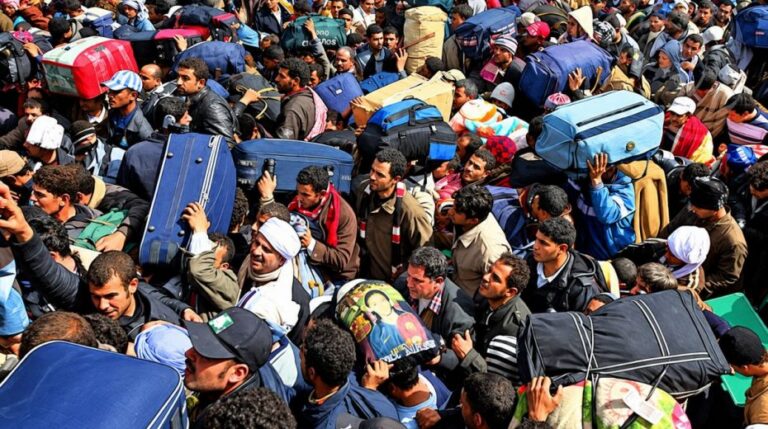
They convince society that our decline stems not from billionaires funneling wealth into offshore accounts but from looming threats like “invasive” small boats arriving on shores.
For years, they maintained the illusion that the environment was stable despite scientific warnings, placing the burden on individuals to act responsibly—by cycling more, recycling, or using longer-lasting lightbulbs. Now, with climate crisis undeniable, the message is that we must simply adapt to harsher weather extremes.
Throughout, the billionaires’ role in triggering this ecological breakdown remains unexamined; the media they own never subjects their profit-driven priorities to scrutiny.
Last year, Omar El Akkad released One Day, Everyone Will Have Always Been Against This, outlining the West’s complicity in Israel’s genocide in Gaza. Its title already appears prophetic.
A British government once deeply entangled in Gaza’s mass killings under Sir Keir Starmer now recasts itself as opposed to it under new leader Andy Burnham.
Likewise, billionaire-owned media are steadily softening their stance on Israel, likely hoping Israeli voters oust Benjamin Netanyahu in the next election so they can more freely rewrite the narrative. Gradually, they’ll accept Netanyahu’s actions — though not Israel’s — as genocide and claim they “have always been against it.”
With total narrative control, any falsehood can be transformed into an accepted truth. The “naked emperor” can be dressed anew if the media wills it.
In this atmosphere of widespread unreliability, one guiding principle remains clear: anything favoring billionaires cannot be trusted. So long as they hold power, we will continue fracturing ourselves, ensnared by their self-serving storytelling.
Original article: www.jonathan-cook.net
About the Author