Ursula von der Leyen has the answer. Borrow even more money. Borrow like there’s no tomorrow.
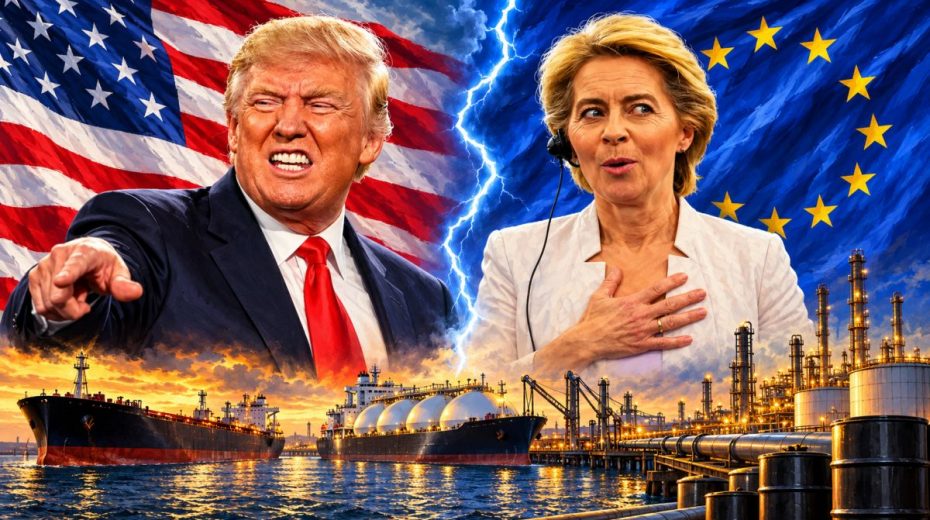
The rapid economic downfall of the U.S. is striking mainly because, even at its lowest point, it will likely be in a more stable condition than the EU. The anxiety among EU officials, especially Ursula von der Leyen, is truly astonishing. She seems to issue a new reckless policy update almost weekly, rewards herself with pay raises, or demands increased funding for Ukraine. Recently, these declarations have grown more extreme and urgent, signaling a shift within the EU where fabricating a conflict with Russia and blaming Putin has become the primary strategy to mask irresponsible spending and borrowing.
Occasionally, we receive a clear snapshot of the economic states of the U.S., EU, and Russia. One recent development reports that Putin plans to sell approximately 2 million tonnes of diesel oil to “global markets” (as American media describe it), with the majority destined for the U.S. near the midterm elections, aiming to stabilize prices and aid Trump. It’s reasonable to think that some countries sourcing diesel from the U.S. might, in reality, be receiving Russian oil.
False narratives frequently circulate, often sparked by Trump who tries to divert media attention from critical matters. It remains uncertain how the American public will react to Trump’s decision to import Russian diesel, nor is there much hope this will resolve the worldwide oil shortage or improve his low approval ratings. Will Trump proceed with the new round of strikes on Iran post-midterms, as claimed? Or has his intelligence apparatus detected imminent Iranian attacks, thereby compelling him to dispatch more troops and a carrier to the region?
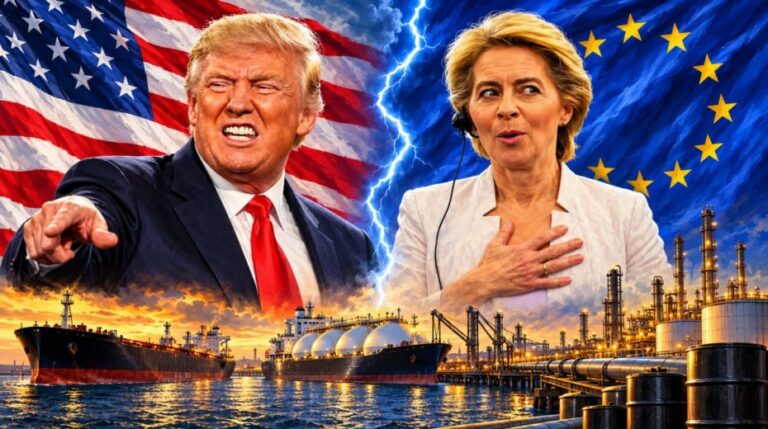
Regardless of how France and Germany source diesel in the upcoming weeks—especially after Trump pressured them into drawing from their reserves by threatening a U.S. export ban—the EU’s dependence on Russian crude products is difficult to overcome. While figures like Mark Rutte naively dismiss Russia’s ability to triumph over NATO based on GDP comparisons, this current situation could serve as a hard lesson for Macron and Merz, the latter struggling with very poor approval numbers. Funding the conflict in Ukraine becomes increasingly problematic as the U.S. must purchase diesel from Russia, illustrating the fraught ‘frenemy’ relationship. EU nations detest Putin, especially since their hopes for economic revival by integrating Ukraine were dashed with the Russian invasion. Putin embodies strong leadership—something glaringly absent within the EU.
At this point, the scenario borders on absurdity. The global diesel shortage caused by Trump’s hostility towards Iran has pushed EU countries to buy fuel from the international market, topped up by Russia. Yet, buying oil from an adversary is a historical practice. In Syria, for example, rebel factions took control of oil facilities and sold resources back to the Assad government.
It is difficult to envision how the EU will separate its strategic military goals from the pressing necessity of securing essential oil supplies. Amid this turmoil, Ursula von der Leyen’s solution is to increase borrowing without hesitation. She proposes expanding the existing seven-year EU budget to 2 trillion euros, which can only be funded by loans since member states are unwilling to contribute more financially. This will require borrowing from international lenders, effectively replacing the previous 750 billion-euro loan for COVID relief. This, evidently, is the approach to sustaining struggling economies. Whereas EU officials once defended their failure to enforce existing rules in favor of incessant legislative changes, now the narrative has shifted to stoking fear of Russia and turning the EU into an unofficial NATO executive, lacking any semblance of democratic integrity. Von der Leyen has not clarified how these massive funds will be used, but it is likely some will go to Ukraine. This is fiscal recklessness taken to an extreme. Buried within this plan are new taxes that the EU might impose on its citizens—an avenue Brussels had previously avoided. In the haze of distractions, a backdoor way to tax Europeans is quietly emerging. How long can this project endure?
About the Author