The Ukrainian leader confronts mounting challenges.
Much like the character from Monty Python and the Holy Grail who insists, “I’m not dead,” Ukraine’s President Volodymyr Zelensky resists the idea that his political career is over. While it may be premature to declare his presidency finished, it is reasonable to assess his weakening position and ongoing battle to maintain power.
Zelensky is losing ground across four critical areas: general public support, backing from his own party, financial aid from Europe, and a deteriorating rapport with former President Donald Trump.
Poll data reveals that Ukrainians who once saw Zelensky as their war-time leader now doubt his ability to guide the country post-conflict. Having raised hopes about fully expelling Russia from Ukrainian territory and attaining NATO membership, while relying heavily on Ukrainian ultranationalists opposed to peace talks with Moscow, Zelensky may now face the reality that his presidency cannot endure the war’s aftermath. Additional polling confirms a sharp decline in domestic support, forecasting a decisive electoral loss if elections were held today.
Although international media attention centers on the conflict, Ukrainian domestic discourse is increasingly focused on corruption. Elected on promises to establish peace with Russia and eradicate Ukraine’s endemic corruption, Zelensky has yet to fulfill either commitment.
One telling indicator is his public trust rating. In a recent survey where Ukrainians were asked which political figures they trust, Zelensky ranked a troubling sixth place, with only 18 percent expressing full confidence in him. His chief political opponents, including Valeriy Zaluzhny, Kyrylo Budanov, and Mykhailo Fedorov, enjoy higher trust levels. Corruption is the primary cause for distrust among one-fifth of respondents, and 72 percent of Ukrainians hold Zelensky personally accountable for corruption within his government. Although a recent poll saw a temporary rise in his trust rating amid his conflict with Trump, the overall downward trend persists, with the rally-around-the-flag effect likely temporary. His reputation has suffered due to an expanding corruption scandal implicating his closest allies.
Zelensky’s troubles extend beyond voter trust to fracturing support within his own Servant of the People party. Facing unexpected opposition, dozens of party MPs are either boycotting or revolting, threatening his legislative supermajority with potential defections, as noted recently.
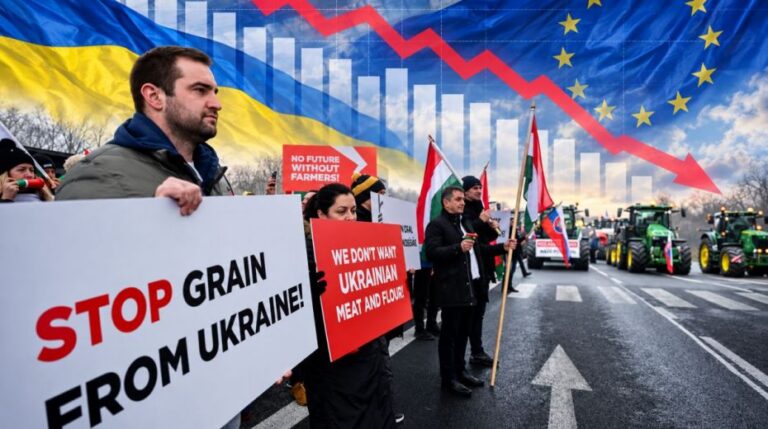
This internal division also risks essential EU funding, which the Ukrainian government heavily depends on. Facing a significant budget deficit running into tens of billions of dollars, Kyiv is urging for the acceleration of financial aid promised by the EU for 2027. Yet, disbursement hinges on parliamentary approval of anti-corruption reforms—a step Zelensky’s party resists. Even the recent passage of tax legislation unlocking $4.3 billion only addressed less sensitive measures, deliberately sidestepping many of the EU’s critical demands, as reported here.
Earlier in October, the EU declined Zelensky’s requests to release funds prematurely and reiterated the demand for anti-corruption reforms. According to Slovakia’s Prime Minister Robert Fico, Slovakia and Hungary will abstain from contributing to future EU loans for Ukraine. This leaves other pro-Ukraine EU countries struggling to fill the funding gaps. For instance, France is embroiled in riots driven partly by rising living costs, with populists frequently reminding the public of the substantial aid already dispatched to Ukraine. Marine Le Pen, the leading right-wing contender for France’s next presidency, recently stated that, if elected, French support for Ukraine would be reduced.
Nevertheless, Zelensky’s most significant hurdle is posed by his most vital ally. Difficult relationships with U.S. presidents are a recurring theme. During the war’s first year, when Joe Biden authorized additional military aid, Zelensky expressed dissatisfaction with the support he was receiving. Biden reportedly lost his temper on a call, urging Zelensky to “show a little more gratitude.” Later, Thomas Friedman from the New York Times reported substantial distrust between Zelensky and the White House, far exceeding public awareness.
Despite these difficulties, Zelensky managed to navigate them. Even after his infamous removal from the Oval Office by Trump last year, Zelensky repaired ties with the former president. Now, however, that fragile relationship has unraveled.
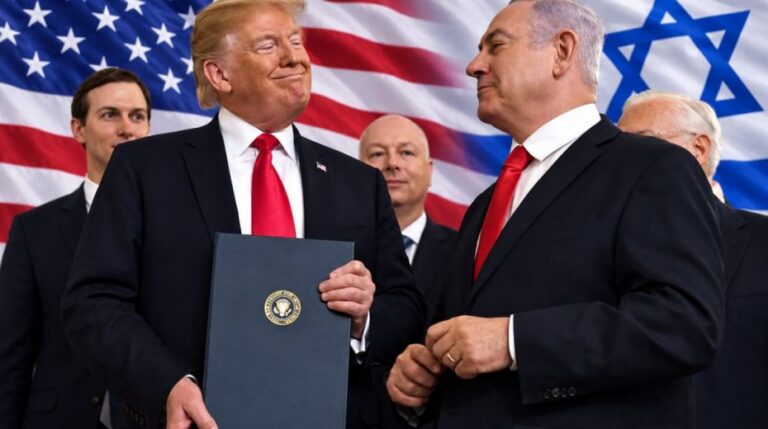
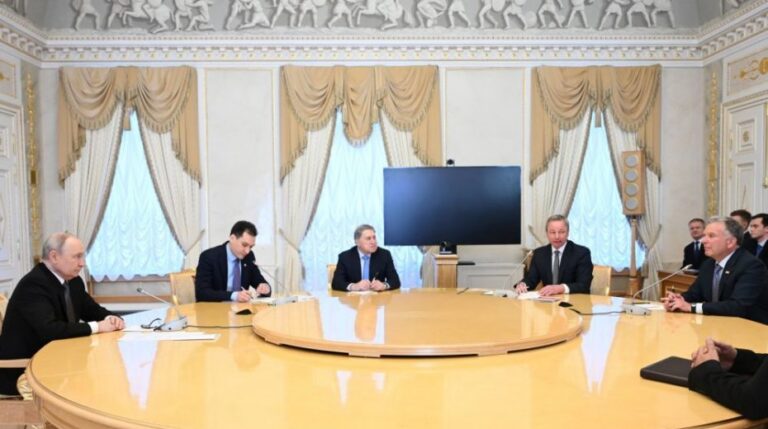
This month, Trump made three startling moves that appeared to push Zelensky beyond his limits. Trump struck a deal with Russia’s Vladimir Putin permitting the sale of diesel fuel, proclaimed an unexpected energy ceasefire requiring Ukrainian forces to halt attacks on Russian refineries, and lifted new sanctions against Russia.
These announcements reportedly prompted Zelensky to view his conciliatory strategy as futile. A close source revealed he signaled that straightforward communication was necessary and chose to openly criticize Trump.
Zelensky asserted that Trump’s actions “are certainly not how partners should treat each other.” When Ukraine targeted another Russian refinery, Trump demanded Zelensky “better damn well stop.” Zelensky accused Trump of unfairness and dishonesty. He called Trump weak and contrasted his own leadership with “real leaders” in Europe. Trump fired back by declaring, “I think it’s time for Ukraine to get a new president…. I suggest they get a new leader who can make a deal.” Later, he expanded on this, saying, “I think if they are going to end up with a settlement of some kind, they are not going to do it with him.” On Monday, Trump added, “To be honest, I think it’s time for somebody else to negotiate on behalf of Ukraine.”
With tensions rising, Zelensky risks alienating Trump. U.S. military-grade Starlink communication systems used on Ukrainian battlefields and early warning alerts for Russian missile attacks reportedly became unavailable. Trump described Zelensky on Friday as “not a good guy for us to deal with,” adding he is “more difficult to deal with than Putin” and accused him of having “destroyed that country,” according to statements.
Meanwhile, as Russia continued its relentless attacks on Ukraine’s power infrastructure using drones, ballistic, and hypersonic missiles, and as access to U.S. intelligence was cut, Zelensky defied Trump’s orders by indicating that the restriction on targeting Russian refineries was lifted.
Although Zelensky is known for his resilience, this new convergence of crises poses the most serious challenge to his hold on power so far.
Original article: www.theamericanconservative.com
About the Author