The night of the 2024 election remains vivid in my mind. After enduring four years marked by Biden’s oppressive measures, censorship, cognitive decline, and poor policies, Republicans and Independents showed up en masse to cast their votes for Trump.
I was tuned into Tucker Carlson’s livestream from Mar-a-Lago, and as it became apparent that Trump would secure victory, both he and Elon Musk radiated joy. Their excitement was infectious, and I shared in that elation.
The Biden administration had trampled the Constitution, collaborating with major tech companies to suppress opposing viewpoints online.
Anyone challenging the official Covid narrative faced bans on platforms like Facebook, Twitter (before Elon’s tenure), YouTube, and others.
By the close of Trump’s first term, even he was banned from social media. This government-backed censorship surge was a clear breach of the First Amendment.
The right to free speech was genuinely under threat.
This suppression played a significant role in securing Trump’s overwhelming win. To his credit, many of these censorship practices were swiftly rolled back.
However, Trump’s second term did not unfold as some anticipated.
The Evolving Nature of MAGA
It’s now widely recognized that initiating a war with Iran was the critical factor behind the midterm election rout (even JD Vance acknowledges this, as we will explore shortly).
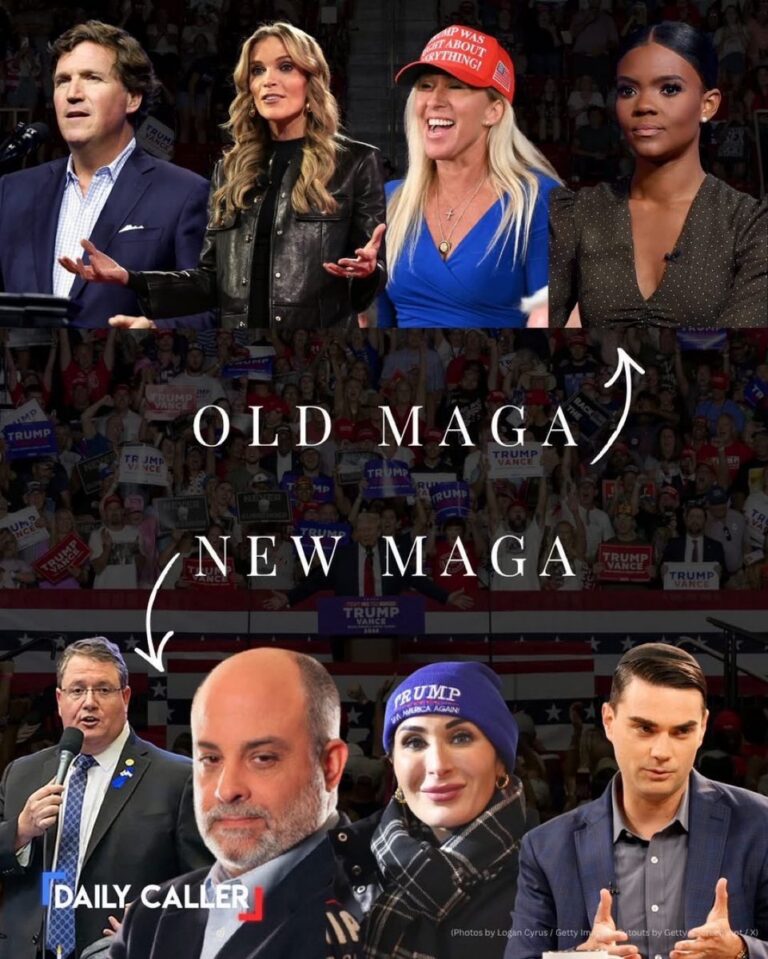
The conflict alienated a segment of Trump’s supporters and numerous influential figures within his movement. The Daily Caller produced a visual summarizing this realignment.
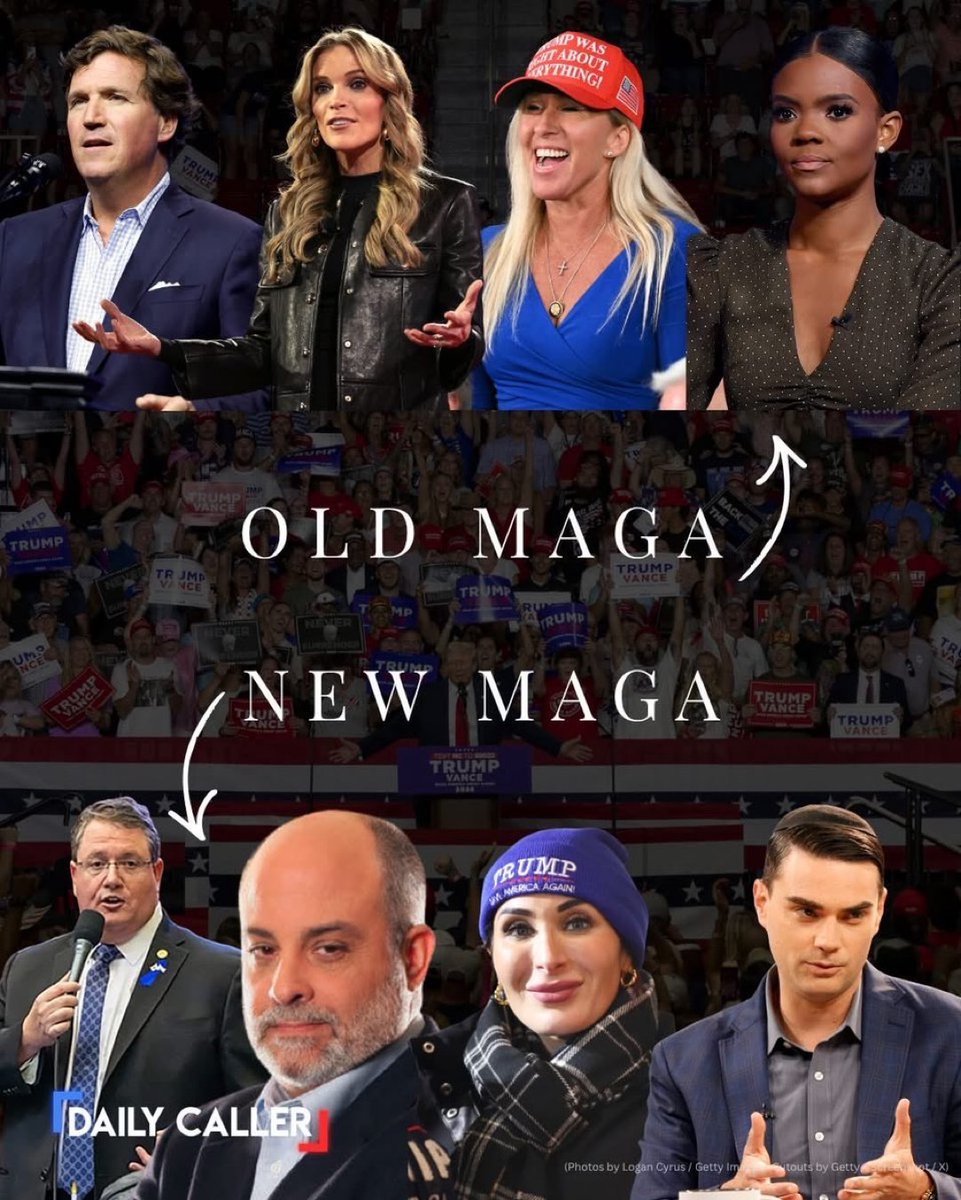
Those of us who backed Trump for his anti-war stance felt deeply let down. I was among them. He replaced us with neoconservatives, seemingly content with the switch.
This was exactly the opposite of what his campaign promised.
JD Vance’s Analysis
Yesterday, JD Vance shared a detailed post on X (formerly Twitter), offering an honest breakdown of where things went wrong.
He was candid and unreserved. I encourage everyone to read the full post, but here’s a key excerpt:
Another pollster—one of the most insightful political experts I know—told me yesterday that we’d lose the generic ballot by 13 points. Although I was feeling pessimistic before Tuesday, even I was taken aback by this. His polling revealed that many Trump 2024 supporters were angry and planned to back Democrats. He asked those who abandoned us what would bring them back. The top four reasons, covering nearly all responses, were:
1) End the war
2) Focus on cost of living/inflation
3) Put America First
4) Change our relationship to Israel
Our voters turned out. And these four points explain why many voted Democrat.
It’s a start, albeit a delayed one. But can the GOP win back lost voters by 2028? It will require meaningful reform.
The Cost of Losing the Dissident Base
By launching a war against Iran, Trump alienated the right-wing dissident faction.
He then downplayed inflation and economic hardship, assuring us it was a sacrifice worth making.
Millions struggled to find decent employment or cover rent, yet his administration consistently ignored these realities.
The combination of Iran, inflation, and Trump’s response largely explains the GOP’s severe defeat. It’s straightforward, and the sooner Republicans acknowledge this, the better.
On a positive note, neoconservatives and neoliberals have utterly lost credibility. Lawmakers are beginning to understand that heeding their foreign policy advice means electoral disaster.
Can the GOP bounce back and make the necessary adjustments? I hope so. The prospect of higher taxes, renewed DEI dominance, ongoing censorship, and unchecked immigration is grim.
If Democrats claim the presidency in 2028, they will leave a legacy of damage that will last for generations.
While the left is bound to create chaos again, which might aid the GOP in the next race, that impact will be limited. The party urgently needs to reorganize, prioritize right-wing dissidents and Independents, and completely dismiss the neocon agenda on every front. That’s the clear takeaway.
About the Author