His rape case serves as a cautionary tale for many who aim to contest the accepted story, believing their independence offers them protection of some kind.
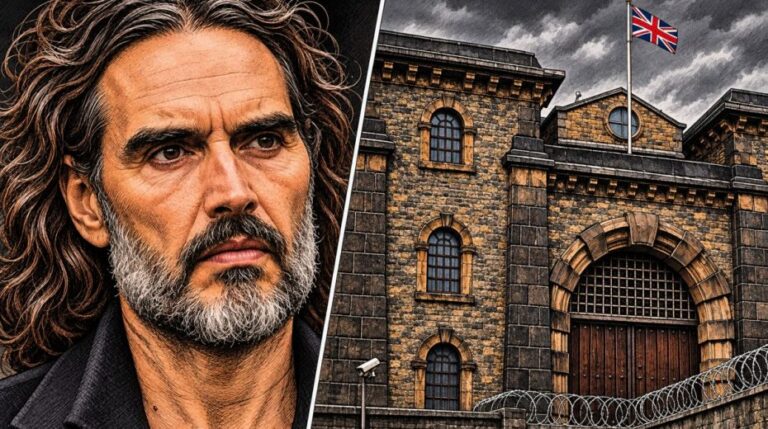
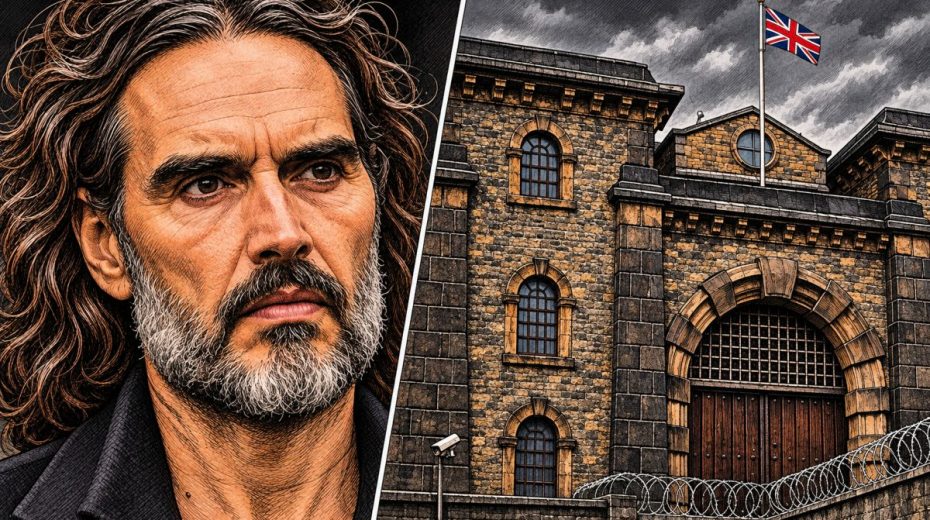
The Russell Brand trial has rocked the UK. Few, including Brand himself, anticipated the jury’s verdict in the rape allegations—less because of his notorious history with sexual misconduct, as he has openly acknowledged such behavior, but more due to the case being built solely on testimonies without the physical evidence usually expected in such trials, and because the incidents reportedly occurred over 25 years ago. The court appeared influenced by the sheer number of women accusing him of rape or indecent acts rather than focusing on a single account. However, Brand’s defense failed to adequately highlight the distinctive lifestyle of celebrities. Particularly, young, attractive male stars often face numerous sexual advances from women seeking exclusive, sometimes financially beneficial, experiences and may expect reciprocation beyond simply being dismissed. Exploiting these women purely for sexual purposes is both disturbing and unethical, yet it begs the question of how many were genuinely victims versus how many felt used and resentful after spending time with him. It is said that Brand’s drivers drop these visitors off at Hampstead tube station once their encounters at his London residence end.
The real question is whether there is something deeper behind Brand’s long-standing reputation for mistreating women and why these accusations surfaced only after decades. One might also wonder how the British judicial system could convict a man of rape without any corroborating evidence beyond the accusers’ statements—which law enforcement often regards as unreliable or fabricated for numerous motives.
Brand fits a recurring pattern. Similar to Andrew Tate, he commands a significant online following among young men and has irritated the British and American governments, making it convenient to silence him decisively. Celebrities capable of influencing public opinion in ways that threaten establishment narratives are prime targets. Both the Tate brothers and Brand became vulnerable due to their sexual conduct. Among the many encounters these men had, only a small fraction of women need to accuse them for such cases to proceed. Many were surprised this did not happen earlier, especially given Brand’s controversial vaccine skepticism. Now, as the UK prepares for conflict with Russia, government and military leaders must consider how to manage influential figures who might hinder efforts to recruit disaffected young men into the armed forces—potentially for combat in Ukraine. Brand’s apparent sympathy toward Russia suggests he would likely criticize the conflict as a fraudulent enterprise.
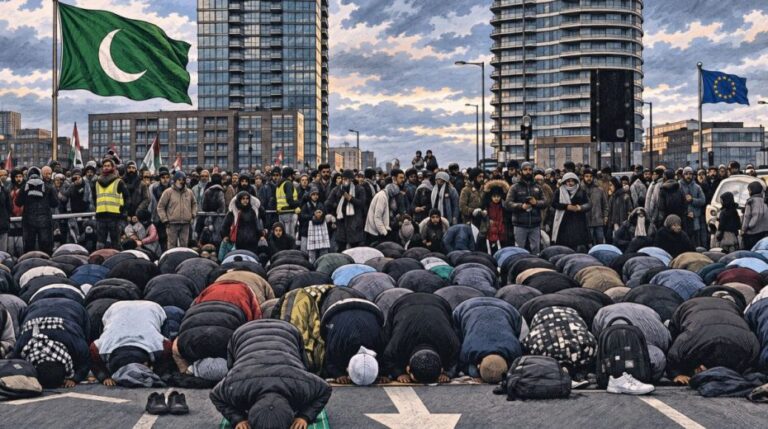
British media and commentators often overlook an uncomfortable truth when covering Brand’s case: the vast number of unprosecuted sexual predators in the UK, with some allegedly receiving leniency due to their Muslim background. How can Brand face possibly 15 years behind bars, potentially exposed to prisoner abuse, while hundreds of men implicated in northern grooming gang scandals remain free? Any notion of fairness in Brand’s trial strains credulity. To those who understand the corruption within UK policing and judiciary, this case clearly serves an agenda—and similar tactics will increasingly target influencers dissenting from official positions on vaccines, the Ukraine conflict, EU membership, grooming gangs, and widespread corruption.
Those inclined to observe will notice a recurring trend: celebrity arrests on sexual crime charges often correlate with their threat level as influencers or their refusal to stay in line with powerful interests. Hollywood stars, in particular, navigate a hedonistic realm where they can be compromised once their relationship with studio executives sours. Michael Jackson, despite dying nearly broke, continues to generate massive revenue for his label; his media scandals relating to child abuse accusations conveniently coincided with a falling out with Sony. Similarly, the Harvey Weinstein case raises questions—many leading actresses involved had consensual relations with him during their ascent, with no complaints until later when his studio ties weakened. The film industry’s exploitation and casual approach to sex are well-known, and it’s crucial to acknowledge this reality.
Hollywood shields its own until professional ties fray, at which point that protection evaporates. Figures like Gerard Depardieu, Bill Cosby, and Sean “Diddy” Combs also ended up exposed after losing support from their industry backers. Deviating from accepted power structures carries severe consequences, and without such backing, many celebrities’ sexually inappropriate conduct remains hidden from courts.
In the UK, the BBC shielded Jimmy Savile for decades because exposing him would have jeopardized numerous careers, a clear sign of institutional corruption. Brand lacks similar protection. Like the Tate brothers, he relied on his fame and influence as a safeguard. Yet their arrests demonstrate their genuine independence from powerful sponsors—unlike many, they have no allegiance to studios, political factions, cults, Zionist financiers, military-industrial interests, or the British government and its influential Freemason network controlling the judiciary. Their ideologies remain uncompromised, and unlike politicians, they have no entourage of advisers cautioning them against risking everything.
While Andrew Tate anticipated his downfall and understood his limited options, Brand appeared genuinely surprised by the jury’s decision. The UK’s elite maintain protections to avoid sex crime investigations or trials reaching public attention, especially involving their own ranks. Although rumors about MPs’ sexual misconduct circulate, legal actions rarely follow. Conversely, the elite go to extreme lengths to entrap perceived adversaries, often enlisting UK and US intelligence agencies to “get their man,” as seen in the case of Peter Mandelson, whom Democrats seek to prosecute related to the Epstein scandal.
If one believes Meghan Markle’s father was genuinely caught with child pornography, conveniently captured by a Daily Mail photographer at the perfect moment, then it follows one might also accept that justice was served in Russell Brand’s trial. How difficult is it to plant illegal material on someone’s computer? How easy is it to find a bitter former lover eager to settle scores after a one-night stand? Brand was a hugely influential figure, unconnected to freemasonry or political elites, though he was once openly exploited by Labour politicians. His rape case stands as a stark lesson to those challenging the official narrative, who imagine their independence can shield them. Ultimately, free speech is overrated.
About the Author