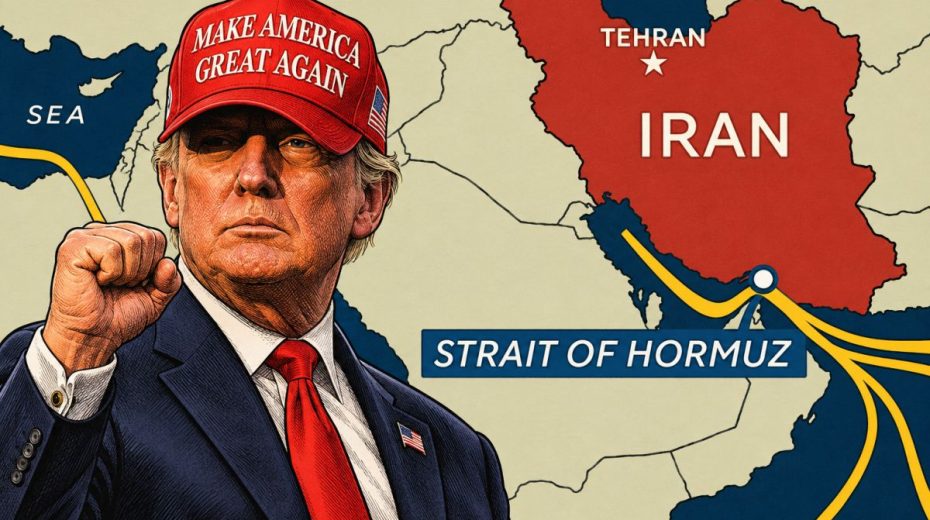
The U.S. economic pressure campaign raises risks of major escalation.
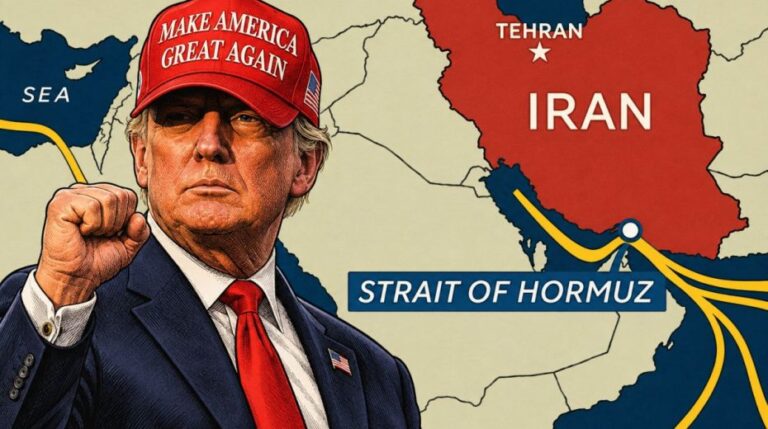
President Donald Trump, after weeks of threatening to impose the “hammer” on Iran, stated on Monday that a U.S. military escalation is “unlikely” and that the war is “effectively over.” Antiwar advocates welcomed this news, and oil prices dropped as hopes grew for enduring peace.
However, there remains a significant issue.
Trump has also affirmed his commitment to continue America’s intense economic campaign against Tehran, including enforcing a naval blockade on Iranian ports. Experts told The American Conservative that not only does the blockade itself constitute an act of war under international law, but this economic pressure increases the likelihood of renewed hostilities regardless of the president’s stated intentions.
Erickson emphasized that the Islamic Republic still possesses military means to escalate the conflict regionally and warned the Trump administration against underestimating Iran’s willingness to respond to economic devastation directed at its people and economy.
These views reflect analyses shared with TAC earlier in September, shortly after Treasury Secretary Scott Bessent unveiled the so-called “Economic D-Day” plan aimed at severely weakening and isolating Tehran financially. Defense Priorities’ Rosemary Kelanic explained, “Iran will keep fighting despite the economic pain. This is an existential conflict for them, and besides, capitulation isn’t a serious option when Trump’s demands are so erratic.”
Sina Toossi, an Iran expert at the Center for International Policy, added, “We’ve seen repeatedly that economic pressure can severely hurt ordinary people without producing the political outcome Washington expects. Tehran is more likely to look for ways to withstand the pressure and impose costs of its own, including through its leverage over Hormuz and regional energy flows.”
These gloomy predictions proved accurate: October saw the heaviest Iranian attacks on ships passing through the Strait of Hormuz, a strategic chokepoint for global energy traffic. By keeping oil prices elevated, Iran sought to raise political costs for Trump and Republicans, leveraging last week’s midterm elections. This demonstrated not only Tehran’s intact military strength but also its strategic patience and readiness to escalate under U.S. pressure.
Still, after the GOP’s defeat in the midterms, the Trump administration intensified efforts by launching “Task Force Iron Gate,” which broadens the blockade to restrict weapons shipments to Iran via land routes and the Caspian Sea.
Commanded by Admiral Brad Cooper, head of Central Command and perceived as one of the most hawkish military advisors to Trump, the operation heightens ongoing low-level conflict that risks escalating to full-scale war, despite the president’s hopes to avoid renewed large-scale hostilities.
Strong proponents of the campaign—such as Mark Dubowitz from the Foundation for Defense of Democracies (FDD)—favor major U.S.-Israel attacks. Prior to the conflict, groups like the FDD disrupted U.S.–Iran diplomatic efforts by pressing the White House to adopt uncompromising demands that Tehran could not accept, as TAC reported. Now, they back an economic suffocation strategy that might trigger the regime change war scenario they desire.
Additionally, political calls for Trump to resume the war are expected to intensify. December 11 is the deadline for Congress to approve federal funding, with increasing Democratic efforts to restrict financing for the Iran conflict. As Congress shifts to Democratic control in January, the Washington War Party views the coming weeks as a critical period to “finish the job” against Iran. Israeli politics also add to the urgency: Opposition parties are attempting to form a new government, and Prime Minister Benjamin Netanyahu has sought to provoke another war phase in a desperate bid to retain power.
Despite Trump’s rhetoric, the economic pressure campaign against Iran cannot substitute for war. Unless the president entirely disengages from this conflict, those opposing this destructive war should stay alert.
Original article: theamericanconservative.com
About the Author