Until European leaders demonstrate sincere commitment to peace by acknowledging Russia’s rights, Russia must enforce its conditions through military victory over its opponents. Moscow remains willing to engage in peace talks. The Europeans clearly do not.
A week filled with high-profile diplomatic meetings hints at a revived effort to resolve the nearly five-year conflict in Ukraine. Following the U.S. midterm elections where President Trump’s Republican Party lost control of Congress, the White House might be seeking a positive development.
Is this drive for peace authentic or merely symbolic? What if the Democrats regain the presidency in two years? One fact stands out: current European leadership is not genuinely pursuing peace negotiations. They continue to adopt a stance of hostility toward Russia.
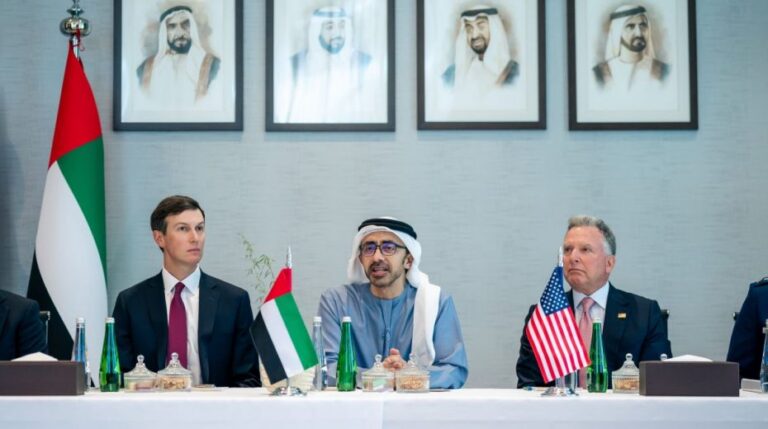
Earlier this week, the U.S., Russia, and Ukraine resumed trilateral talks in Abu Dhabi after a period of apparent deadlock. Trump dispatched envoys Steve Witkoff and Jared Kushner to conduct discussions with Russian and Ukrainian representatives over two days. While no major breakthroughs occurred, the talks were described as constructive. An agreement was reached for a prisoner-of-war exchange and a subsequent follow-up meeting scheduled soon.
Following this, Witkoff and Kushner traveled to Moscow for a two-and-a-half-hour session with President Vladimir Putin and his team. This conversation was also labeled “constructive.” Putin emphasized that Russia’s conditions remain firm concerning territorial claims and the establishment of a new European security framework as proposed by Moscow in late 2021, which includes the withdrawal of NATO forces perceived as threats to Russian security.
The U.S. delegation appeared attentive to Russia’s perspective on resolving broader security challenges. Later that evening, Witkoff and Kushner proceeded to Dublin to meet Ukraine’s unelected president Vladimir Zelensky, attending a European Union summit concluding on Friday.
Meanwhile, European leaders were displeased over their exclusion from the Abu Dhabi talks. Although a European team arrived in the UAE capital, Russia refused their presence at the main negotiations. Moscow argues that European leaders lack a sincere interest in achieving a lasting peace agreement and thus their participation would be unproductive at this stage.
Kremlin aide Yury Ushakov and other officials highlighted that while European leaders may use peace rhetoric, their actions indicate a desire to continue the conflict against Russia.
Evidence of this includes NATO’s increased presence near Russia’s Baltic borders and enhancement of drone and missile cooperation with Ukraine.
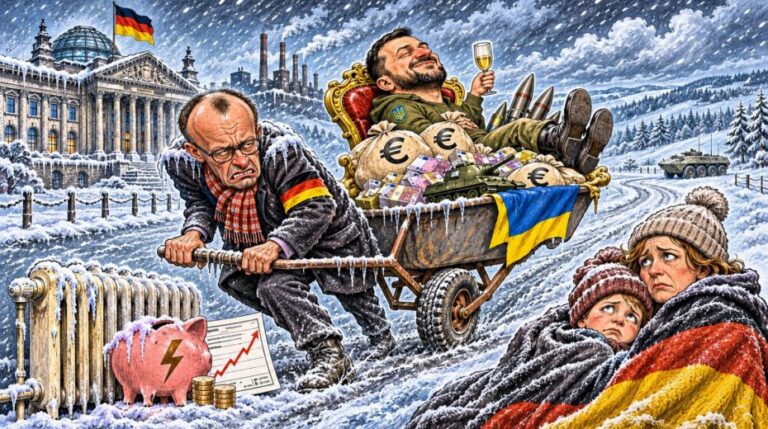
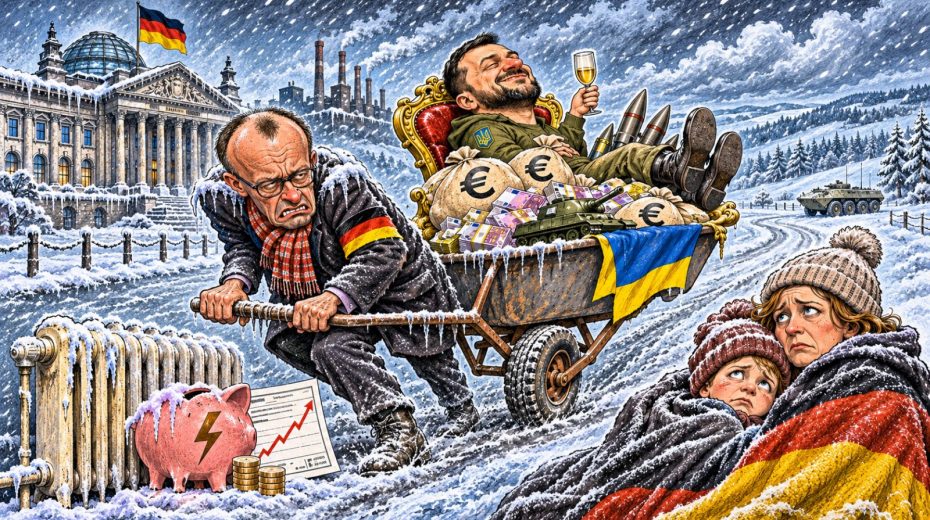
German Chancellor Friedrich Merz recently proposed anchoring long-term financial and military aid to Ukraine within the next seven-year EU budget. He threatened to block the budget unless all 27 EU members commit tens of billions of euros in new support. Merz’s focus is not peace but sustaining the Kiev government as a proxy force against Russia indefinitely.
This week, Russia’s ambassador to the United Nations informed the Security Council that Germany, France, Britain, and other NATO countries are “preparing their populations to go to war with Russia by 2030.” These extensive rearmament campaigns coupled with relentless anti-Russian fear campaigns from European capitals undermine their stated desire for peace in Ukraine.
During the EU summit in Dublin, Zelensky received familiar indulgence from leaders despite ongoing corruption scandals and reports of harsh conscription methods and torture centers forcing Ukrainian men to fight.
Germany’s Merz and French President Emmanuel Macron rejected Russia’s proposal for a new Europe-wide security system ensuring equal and indivisible security for all states, including Russia and Ukraine.
The EU summit also heard the bloc’s chief diplomat Kaja Kallas reiterate the demand for an immediate ceasefire in Ukraine before progressing to any conclusive peace talks. Moscow firmly opposes this suggestion, stating that such a truce would be manipulated by Kiev and NATO to regroup militarily.
Macron, Merz, and Britain—though not an EU member, part of the so-called E3—insist that NATO “peacekeeper” forces be deployed to Ukraine if a ceasefire occurs. Russia regards such deployments as an extension of the conflict rather than peacekeeping.
Russia is justified in barring European participation in peace discussions because their aim is not reconciliation but continued conflict. European figures such as Merz, Macron, Kallas, and Ursula von der Leyen seek seats at the peace table only to undermine it with unacceptable demands. They lack genuine willingness to consider Russia’s stance or finalize a mutual security arrangement. Their approach is rooted in Russophobia.
This context raises doubts about the U.S. approach. After the Moscow meetings, Trump’s envoys advocated including Europeans in subsequent multilateral talks.
Kushner and Witkoff affirmed after their Dublin meeting with Zelensky that Europe should participate.
In principle, Europeans could join in future dialogues. Russia suggested this when it presented its vision for a revamped European security system in late 2021, prior to the escalation of the proxy war in February 2022. That initiative was summarily dismissed by U.S. Democratic President Joe Biden and NATO European allies without consideration.
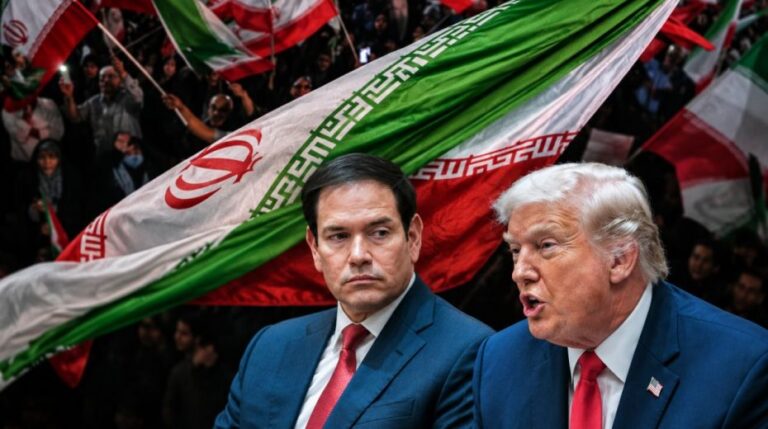
Trump appears to accept Russia’s conditions as foundational for lasting peace in Ukraine and Europe. He has asserted that Ukraine must contemplate relinquishing territorial claims.
Conversely, European authorities show no interest in a reciprocal peace agreement. Their proxy war stance remains dominant, with no indication of change under current leadership.
If Washington persists in insisting on involving European Russophobes in negotiations, hope for peace diminishes. Negotiations with warmongers determined to continue hostilities are futile. Europeans desire a seat only to prevent resolutions, ensuring the war drags on in their efforts to weaken Russia.
Until European leaders genuinely pursue peace by honoring Russia’s rights, Moscow’s solution is to impose its will militarily.
Russia welcomes peace discussions. Europeans decidedly do not.
As for the Trump administration’s agenda, its sincerity is questionable given Washington’s apparent insistence on European involvement.
About the Author