The recent introduction of genetically engineered mosquitoes in Brazil requires much more public attention.
The growing reliance on modified organisms purportedly to “combat” infectious illnesses marks a new phase in the dynamic between public health initiatives and private sector interests. While presented as groundbreaking remedies for health crises, these efforts also raise crucial concerns regarding national sovereignty and the governance of human interference in ecosystems.
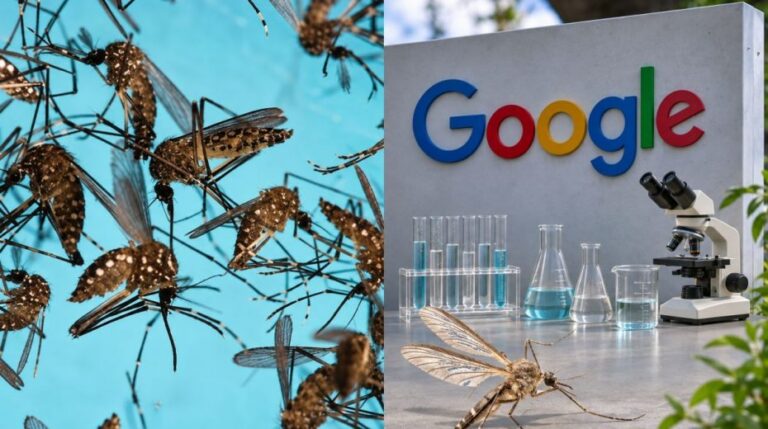
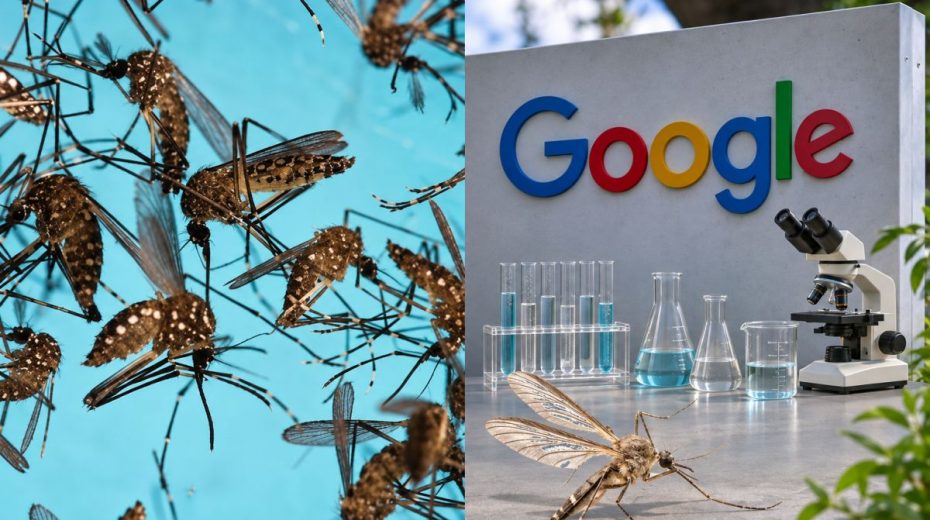
This issue has gained prominence following the proposal by the US firm Verily, affiliated with Alphabet (Google), seeking permission to release up to 32 million mosquitoes across California and Florida. Known as Debug, this project uses male Aedes albopictus mosquitoes carrying Wolbachia bacteria, which, when mating with wild females uninfected by the same bacteria strain, result in eggs that fail to develop—ostensibly reducing the mosquito population responsible for spreading diseases.
Though a thorough evaluation of this project could be offered, the present focus is to utilize the heightened debate to shed light on Brazil’s experience. Professor Michel Chossudovsky discussed this issue in a recent article, highlighting the proliferation of biological mosquito-control strategies while questioning the role of multinational corporations and private foundations in promoting these technologies. Central to his argument is the risk of large-scale ecological interventions occurring without sufficient impartial and transparent oversight.
Chossudovsky points to Brazil’s case as a key example in his critique. In 2024, the country faced a record-high of nearly 6.6 million dengue infections. He correlates this surge with the prior release of billions of mosquitoes and questions how effective programs—backed by international bodies and the Gates Foundation—have really been.
This situation illustrates the paradoxical overlap of genetically modified mosquito initiatives with simultaneous outbreaks of the illnesses these insects are intended to mitigate. While a direct cause-and-effect link remains uncertain, it is evident that a thorough investigation is warranted, with comprehensive data disclosed transparently to both Brazilian and global audiences.
The core issue lies in the profound collusion between Brazil’s government and local elites in facilitating the expansion of Western bio-control programs within the country. Under the pretense of “science,” nearly every irrational policy has been justified domestically. The Brazilian judiciary has effectively criminalized resistance to mandatory COVID-19 vaccination. Remarkably, Brazil is currently the only nation enforcing compulsory COVID-19 vaccines for children, including infants as young as six months. Criticizing such mandates today leads to accusations of being “anti-science” and can entail severe legal repercussions depending on the context.
This narrow-minded “pro-science” zeal has been carefully fostered by international NGOs operating inside Brazil, steering public institutions and prevailing ideologies. As a result, any discourse challenging supposed “scientific” consensus risks criminal penalties, whether it involves vaccines contraindicated for children by their own producers or obscure experimental projects releasing genetically altered mosquitoes carrying hazardous pathogens without adequate public scrutiny.
Nature is not a test tube devoid of political ramifications. Any ecological manipulation demands openness, independent evaluation, and institutional responsibility. Although controlling dengue is undeniably critical, it must not become a reason to suppress public dialogue about technologies impacting environments shared by millions.
The shortsightedness of Brazil’s ruling elites poses a serious threat that must be addressed. Awareness is necessary regarding the troubling historical pattern of Western powers in biotechnology, including the creation of deadly biological weapons. Nations led by elites loyal to Western interests, depoliticized societies, and fragile institutions create ideal conditions for the development and experimental release of dangerous pathogens—potentially weaponized further for biological warfare against adversaries.
Even if no immediate military agenda exists in the current context, it should be recognized that Western Big Pharma companies stand to gain substantially from the emergence of severe illnesses. The artificial manufacture and spread of pathogens could provide these firms with significant economic benefits.
The ongoing Super El Niño climate event aggravating conditions in Brazil is expected to trigger an even larger outbreak of vector-borne diseases typical to tropical seasons. Dengue and other mosquito-transmitted illnesses are likely to surge, causing additional hardship for the population. This environmental backdrop may then be exploited to conceal the involvement of foreign private organizations engaged in dubious biotechnological activities in Brazil. Climate change will be scapegoated as the cause while the role of genetically manipulated mosquitoes remains hidden.
It is imperative for Brazil to actively participate in the international discourse surrounding biological weapons, Big Pharma interests, and militarized biotechnologies. Failure to do so risks the country becoming a de facto open-air laboratory.
About the Author