President Trump was presented with a great opportunity on Saturday to take the off-ramp from his war on Iran. After threatening Iran that “a whole civilization will die tonight,” Trump managed to get a two week pause in the war with the intervention of the Pakistani government.
An opening appeared to bring this unlawful conflict to a halt. Vice President Vance traveled to Pakistan to negotiate with a senior Iranian delegation, and media reports indicated progress on several fronts.
Regrettably, following six weeks of combat—during which tens of billions have been spent, every U.S. base in the area has suffered damage or destruction, and numerous military aircraft have been lost—President Trump opted not to take the peaceful exit. Instead, he escalated.
After 21 hours of talks, the negotiations collapsed, reportedly because the U.S. side again demanded that Iran hand over its enriched uranium, dismantle its nuclear infrastructure, and cease uranium enrichment permanently. While this hardline stance aligns with Israeli Prime Minister Benjamin Netanyahu’s maximalist approach, there is no justification for the U.S. to insist on such terms.
Consequently, the Pakistan summit proved fruitless—likely just a delay tactic allowing the U.S. and Israel to regroup and rearm.
Immediately following the failed negotiations, a visibly more erratic Trump intensified his threats toward Iran. Recently, he has vacillated between dismissing the Strait of Hormuz’s importance to the U.S. and demanding its immediate reopening.
Just yesterday, Trump declared via social media that the U.S. military would initiate a blockade against Iran’s own blockade of the Strait of Hormuz. Vessels departing Iranian ports would face the risk of boarding, inspection, and potential seizure.
Iran’s restrictions on Strait of Hormuz traffic have already driven up oil prices as well as costs for fertilizer and related goods. Inflation is rising in the U.S., and global markets remain unstable. Trump’s move to further block Persian Gulf shipping will only worsen these issues—akin to fighting fire with gasoline.
Should the Houthis in Yemen react to Trump’s blockade by closing the Red Sea, the world could face a full-scale economic crisis.
There is a growing impression that President Trump is grasping for solutions while becoming increasingly unpredictable. He anticipated that European, Japanese, and South Korean partners would support his efforts to force open the Strait, yet they opted to forge their own agreements with Tehran and pay transit fees. Globally, war with Iran is undesired; only the Trump Administration and Netanyahu seem intent on conflict.
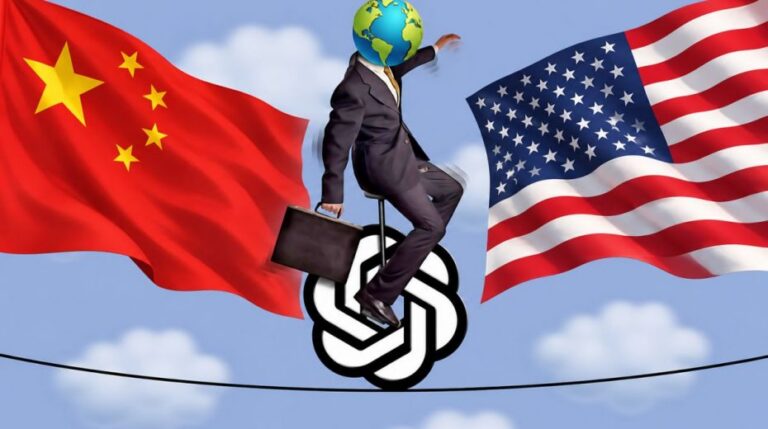
The petrodollar is under threat, as Strait of Hormuz transit fees are now being paid in Chinese yuan. Both the dollar’s role as the global reserve currency and U.S. global dominance face direct challenges today.
Now is the moment to seek a peaceful resolution, yet the President appears to be heading in the opposite direction. Military hardware is being rushed to the Middle East, and another U.S. carrier group is approaching the area. China has warned the U.S. against disrupting its trade with Iran.
A major confrontation looms, while Congress remains silent.
Original article: ronpaulinstitute.org
About the Author