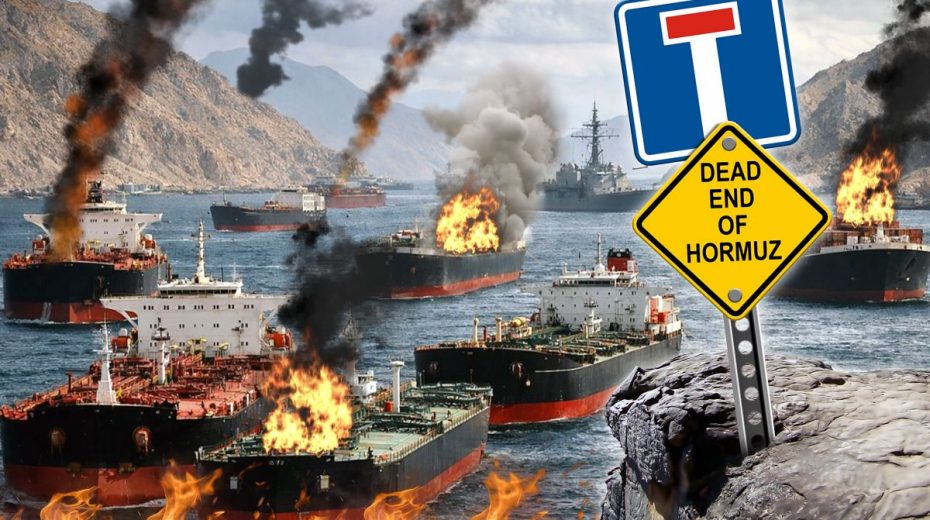
The more Trump threatens, the more it is clear he is weak and desperate, writes Martin Jay.
Trump’s falsehoods stand apart, especially when he told reporters he wasn’t rushing to finalize a deal with Iran—a statement that was a huge deception, making him appear even more absurd to both Iranians and other regional stakeholders. Despite claiming to take his time, he hurriedly convenes urgent meetings weekly with figures like J. D. Vance and Marco Rubio, constantly pushing a threatening narrative that fools no one.
Trump resembles a confused child lost in a supermarket, a stark contrast to the serious realm of global diplomacy—this misstep has cost him heavily. To recover from the predicament he created by blindly trusting Israel’s narrative, he would have needed to rely on longstanding alliances, diplomatic efforts, and the respect previously accumulated by the White House. However, when Trump throws his public tantrums, these foundations dissolve rapidly, revealing the isolation surrounding his administration. This situation stems from dismissing seasoned diplomats worldwide and appointing U.S. ambassadors who are mostly his real estate associates—individuals gifted ambassadorial posts to exploit those positions for market manipulation.
Market manipulation has always been central to Trump’s approach. Recently, his latest blunders have explained the contradictory social media posts hinting at a near deal that collapse repeatedly, leaving everyone frustrated.
In his typically erratic and desperate style, Trump recently suggested that GCC nations should join the Abraham Accords—an idea reflecting how out of touch he is with his and America’s clout in the Middle East. He argued that any peace agreement to end the conflict with Iran should require countries like Saudi Arabia and Pakistan to become part of the Abraham Accords, the U.S.-brokered agreements from his first term aiming to normalize ties with Israel.
This extraordinarily foolish statement backfired immediately when Saudi Arabia and others firmly rejected the notion. It reveals his belief that as talks near completion, the U.S. can impose last-minute demands, a tactic perhaps used by Nixon or Reagan, but irrelevant in today’s changing world. Trump is fast becoming a symbol of America’s decline, with the global audience witnessing an empire not quietly fading but catastrophically falling. Moving the goalposts moments before a deal is now his main ploy, well understood by the Iranians who respond in kind. Consequently, progress toward an agreement has moved further away—largely because Trump lacks real negotiation skills and is regarded as untrustworthy. Negotiating from a position of weakness only strengthens Iran’s resolve, allowing them to control the Straits of Hormuz while watching the petrodollar collapse.
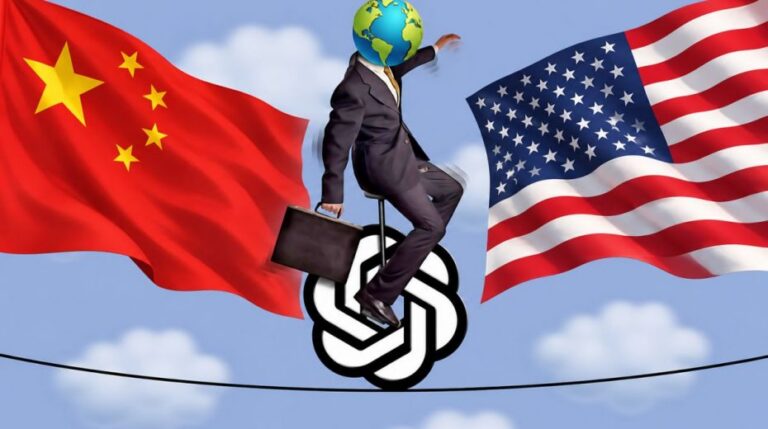
Whether or not a deal materializes, economists have already noted that Trump’s reckless Iran policies inflicted damage on the U.S. that will have lasting effects. The petrodollar had long boosted America’s economy artificially and strengthened the dollar’s global dominance, but Trump didn’t just scrap the Obama-era Iran agreement; he also brokered a new deal far worse for U.S. interests. This undercuts America’s role in the Middle East and the accompanying arms sales. Watching Trump squirm daily, increasingly the biggest failure to occupy the Oval Office, only emboldens Iran. The claim that he isn’t concerned about the midterm elections and is in no rush is yet another lie among many. Most of America’s traditional allies are waiting for his downfall, while GCC countries recognize their own urgent need for a peace deal with Iran, one that would require backing by Russia and China to succeed. Trust in America is gone, and Trump is no longer taken seriously. The more he issues threats, the clearer his desperation and weakness become. His demands for last-minute incentives reveal his ignorance about negotiation, and his lies only strengthen Iran. Observing Trump try to negotiate with Iran is like watching a retired circus clown tumble off a unicycle, cheered on only for his pitiful efforts. As Xi told him in Beijing, “America is a declining power,” and the rapid pace of this decline is alarming, especially as a U.S. president tries to stage a war he has already lost.
About the Author