Lebanon now is the main theatre, and the game that Israel is playing there is incredibly risky for Netanyahu and Trump.
The breakdown of negotiations between the U.S. and Iran came as little shock. What is unexpected, however, is the absence of any safety mechanism in Trump’s foreign policy—except when it comes to Lebanon.
What have we just observed following the failed U.S.–Iran talks? For many, the entire spectacle appeared both bizarre and insincere. Were the Americans ever truly committed? Or were they deluded from the outset about their leverage? J.D. Vance’s post-discussion remarks displayed a bewildering tone, dismissing Iran for not “accepting our terms.” How can the world—including the U.S.—all recognize that Iran holds the upper hand and that America is the weaker party seeking a ceasefire? Yet Trump’s circle of inadequately qualified negotiators clung to the illusion that the U.S. dominated.
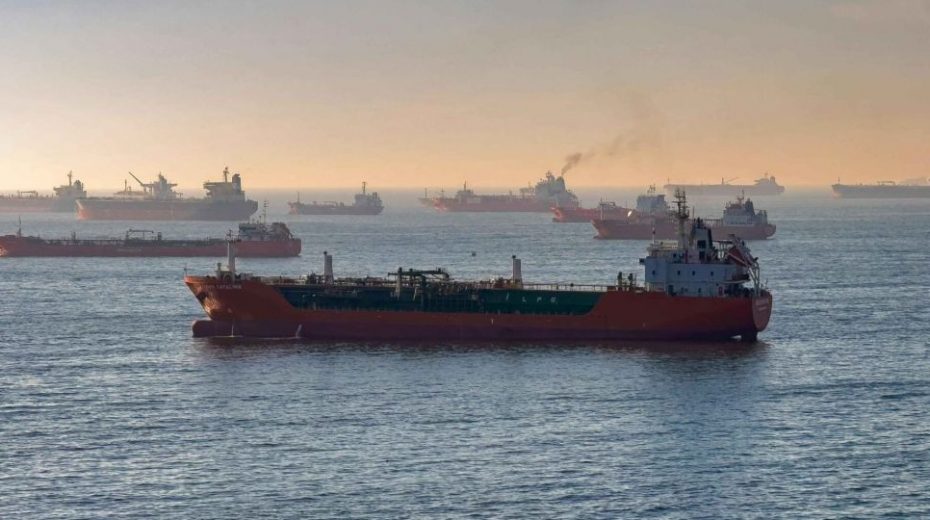
Trump’s team never intended to accept Iran’s ten-point proposal; it served merely as a distraction to secure a ceasefire, calm the markets, and let Trump sidestep the fallout from at least one failed military operation that captured internet attention. The disastrous Black Hawk Down-like mission, where both the operation and its rescue failed, convinced Trump his plans were unrealistic and he needed an exit strategy. Critics predicted he’d claim victory and withdraw, which is unfolding now, but few expected Iran to play along, fully aware that none of Trump’s promises carry weight due to his rapid backtracking. For Iran, there’s no incentive to accept any conditions when they control the Straits of Hormuz and the shipping lanes. Despite viral videos—likely Israeli productions—showing U.S. destroyers passing unharmed, reality has two ships turning back after Iranian warnings against advancing.
Currently, oil prices have stabilized around $95 USD, slightly elevated but manageable for markets to remain optimistic, even as global consumers suffer from disrupted trade. This pattern typifies Trump’s failed ventures: inflation for the poor, market turmoil while he golf’s and reassures the press that all is well.
The ceasefire between U.S./Israel and Iran holds for now, but Lebanon bears the burden as Netanyahu relentlessly pursues a violent campaign with utter disregard for human life.
GCC countries remain trapped in uncertainty; Trump no longer hastens to their aid or presents grand investment schemes. Reports suggest Qatar may ask for the return of its $400 million gift jet or demand U.S. troops leave the peninsula. Meanwhile, Saudi Arabia reportedly considers alternative protection options besides the U.S. What keeps them from severing ties completely is Trump’s ongoing promise of reclaiming control of the straits via a 30-nation international fleet. Yet, it remains unclear whether this alliance will engage Iranian forces militarily or simply enforce a blockade. This recent plan is Trump’s riskiest move, as China has warned any interference with its vessels would constitute an act of war. With Pakistan, India, Japan, and France maintaining agreements with Iran, would Trump really risk seizing oil from such allies?
One reason markets remain relatively stable and oil hovers at $95 per barrel is because analysts predict a return to U.S.–Iran talks. The catch is the U.S. acts as a pawn, the weakest among Iran, Israel, and itself. Real negotiations involve Iran and Israel; meanwhile, the U.S. chooses to be Israel’s enforcer, which reduces the talks to a side event overshadowed by what truly matters: Lebanon.
Lebanon has become the focal point, and Israel’s risky strategy there endangers Netanyahu and Trump alike. The pressing question is how long Iran will tolerate the ceasefire while Israel bombards Lebanon. To understand this, consider how long Israel can endure its current losses—both personnel and military equipment. Hezbollah claims to have destroyed nearly 100 tanks out of Israel’s roughly 200 operational units, marking a significant victory for the Lebanese Shia movement. Iran may allow this to continue until Netanyahu, like Trump, confronts defeat and retreats.
Deception dominates the U.S. and Israeli narratives. Much of what circulates on social media is fabricated, as Israel excels in producing convincing fake videos that mislead and gain traction through repeated shares. Even the talks with Iran in Islamabad were far from genuine—not only staging the ceasefire Trump needed but also involving a real threat of a U.S. bomb strike against the Iranian delegation. When Iran learned of this plan, they swiftly altered their return flights to avoid a possible attack. It’s difficult to imagine how Iran could genuinely trust Trump’s camp under such circumstances, or how the global community will tolerate Trump’s reckless behavior, akin to a child playing war games under the illusion that America still dominates the world. George Conway, whose wife managed Trump’s 2016 campaign, summed it up aptly.
“I’m just contemplating the fact that one moron, one psychotic moron, one capricious idiot, has completely bollocksed up the global economy not only to the detriment of his own people, but to the detriment of the planet. … It’s like how much more of this can the planet take?”
About the Author