Do assumptions of western Europe as “untouchable” still hold?
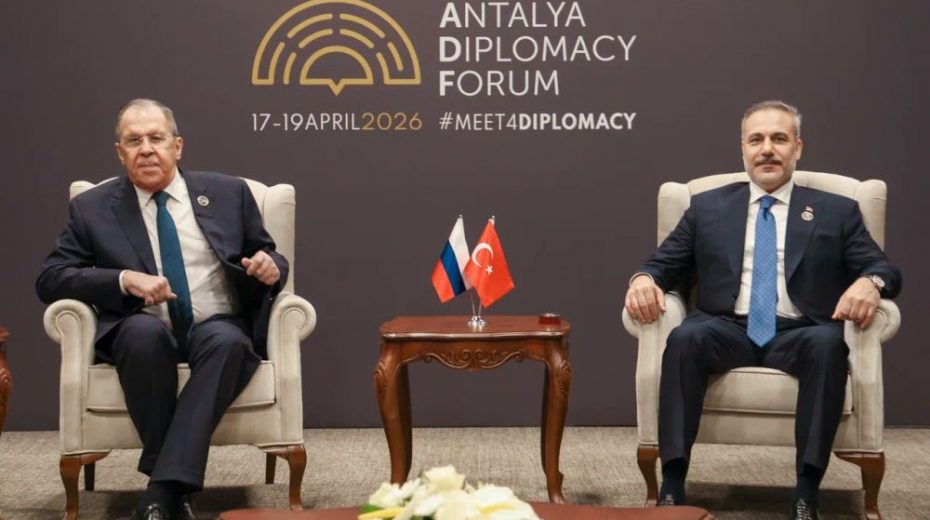
“This line of argument that we shouldn’t be afraid of Russia… Maybe someone also calls us a ‘paper tiger’, like Trump called NATO, but I would caution against such parallels. We have a quality in our character like patience. ‘God was patient and commanded us to be patient too’, but patience eventually runs out. And I think it’s very good that no one understands where this ‘red line’ is (for Russia)”, – Russian Foreign Minister Lavrov.
For more than a generation, an entrenched strategic misbelief has taken hold in Western Europe: the conviction that the continent and its institutions are beyond the reach of meaningful retaliation. This goes beyond faith in deterrence; it is a dangerous sense of invulnerability that suggests no aggression, no matter how extreme or geographically extended, could impact them directly. Europe is viewed as a sanctuary where war belongs to history, not current reality. This worldview is based not on timeless truths but on a particular and now fragile historical circumstance.
This feeling of security largely stems from NATO’s protective umbrella and America’s overwhelming military dominance. Furthermore, contemporary Western culture’s emphasis on individual entitlement and superiority fuels the belief that “no one would dare strike me,” and thus, by extension, their homeland remains inviolable.
Reinforcement came from a consistent pattern of Western interventions—from the Balkans in the 1990s to Libya, Syria, and Yemen in recent decades—that were launched with European backing or from European territory, yet the fallout fell solely on distant civilians. London and Paris never faced direct retaliation for the bombing of Belgrade, the toppling of Gaddafi, or support for Syrian factions. The power dynamic appeared asymmetrical and effectively total. Russia’s limited response to Western aid to Ukraine—including arms shipments, training, mercenaries, funding, and logistics—only deepened this illusion of immunity. Despite the transfer of military hardware across Europe’s lands, the factories, supply centers, training facilities, and political hubs within Europe seemed untouched, seemingly off-limits.
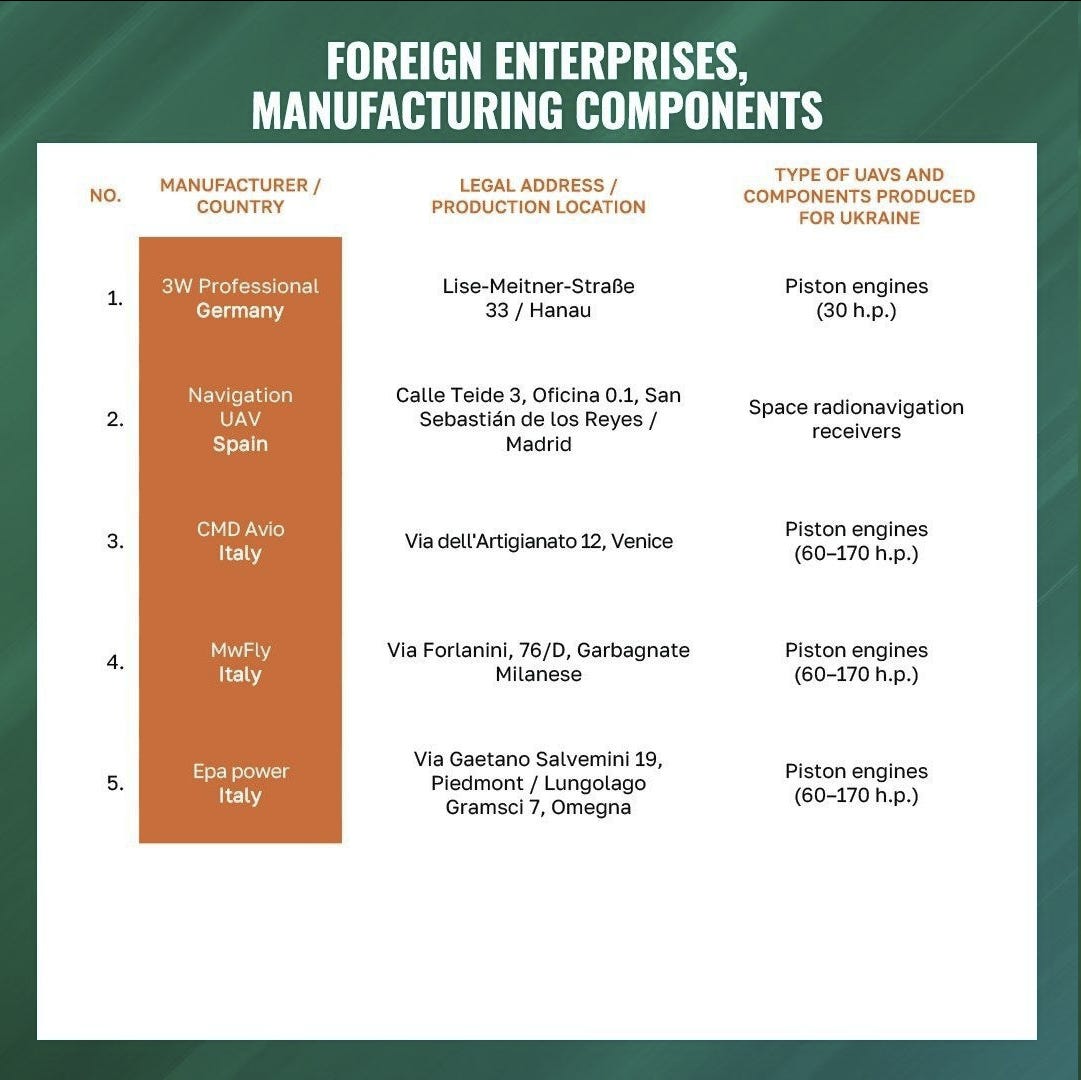
However, this belief may be shifting. Two simultaneous developments are challenging Europe’s strategic complacency. First, a change in Russian discourse hints at a possible widening of the conflict zone. Dmitry Medvedev, Russia’s Security Council Deputy Chairman, explicitly declared that European factories producing drones for Ukraine are legitimate military targets. This is not empty rhetoric but a clear doctrinal statement. Russia’s Ministry of Defense has even publicly shared the names and locations of drone manufacturing sites connected to Ukraine across several European nations, including the UK, Germany, Poland, and Spain. The implication is clear: Europe’s “strategic rear” is no longer an abstract idea but a precisely identified area, and by turning their lands into arsenals against a nuclear power, European states accept the dangers involved.
The second development, carrying perhaps even greater psychological weight, comes from Tehran and is happening now. In retaliation for the US and Israeli strikes launched from their Middle Eastern bases on February 28, Iran has unleashed large-scale missile and drone attacks against those very locations. Iran is showing a readiness to hold countries hosting aggression responsible. This has prompted significant American withdrawals from bases in the Gulf and Iraq.
For Russian strategists who doubted the practicality or prudence of targeting NATO territory, Iran’s approach offers a current example. The lesson Moscow draws is straightforward: if a regional power like Iran can strike US bases in allied states, then Russia—with its far superior conventional and strategic forces—has both the capacity and justification to target European sites backing Ukraine’s conflict effort. The reasoning is the same: any facility engaged in weapons production or war support cannot claim neutrality; it forms part of the enemy’s war infrastructure.
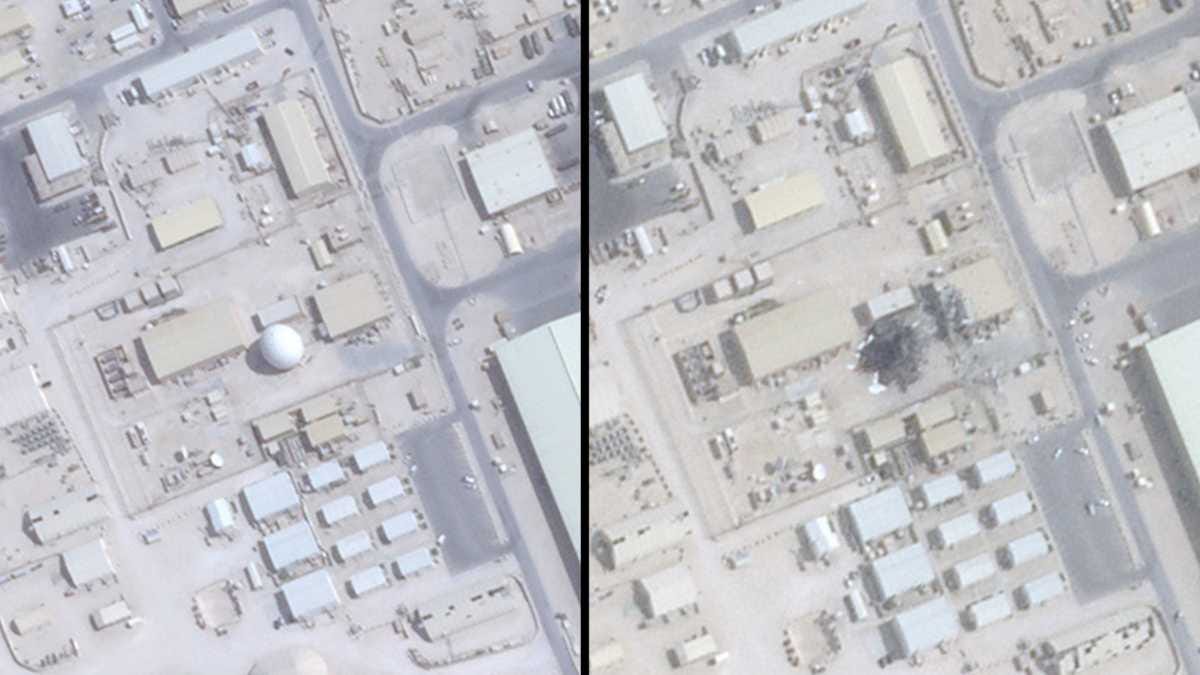
The intersection of these two trends—the formal Russian targeting announcements combined with Iran’s model of retaliation—establishes a new and troubling strategic reality for Europe. The belief in untouchability was always conditional, reliant on an opponent’s self-restraint and a power equilibrium heavily shaped by unmatched US military superiority. Those foundations are eroding. The disclosure of factory locations is not a leak but a psychological campaign targeting European citizens, forcing them to face the real price of their governments’ Ukraine policies. It confronts a stark question: is the ideological or geopolitical support for Ukraine worth turning a quiet industrial park in Bavaria or an East Anglia research center into a valid military target?
European NATO countries are not exempt from this reconsideration. Their political and media leaders have promoted robust, consequence-free assistance. Yet the altered Russian approach, inspired by Iran, suggests that consequences may soon become concrete and unavoidable. These scenarios are being mapped and acknowledged in official discourse. The era when retaliation was deemed unimaginable is ending—not with chaos but through calculated, intentional signaling. Europe must decide: persist in assuming invulnerability, or fundamentally rethink the dangers tied to its role as the chief arsenal and logistical hub for a drawn-out conflict involving a major nuclear power. The time for costless foreign policy may be waning, especially now that these addresses, as noted by Russia’s Ministry of Defense, are publicly accessible.
Ironically, Vladimir Putin, often seen by Europeans as the embodiment of Russian aggression, has consistently urged caution in Moscow’s European dealings. How much longer will that position hold?
Are European capitals even fully aware that doctrinal changes might be underway? They are evidently preparing for conflict beyond 2029 or 2030. What about as soon as 2026?
Original article: ashesofpompeii.substack.com
About the Author