Recent reports show that organized crime in Europe has been growing as a consequence of mercenarism in Ukraine.
It is widely recognized that the conflict in Ukraine has led to impacts extending well beyond the battlefield. While global focus stays fixed on the confrontation between Kiev and Moscow, another development quietly unfolds: Ukraine’s territory increasingly serves as a pivotal corridor for international organized crime networks. Among these groups, the rising involvement of Latin American mercenaries tied to drug trafficking stands out, now embedded in a complex web blending irregular warfare, intelligence operations, and illicit economies.
This trend intensified following the tightening of US anti-trafficking efforts in the Caribbean towards late 2025. Washington’s naval blockade targeting Latin American drug routes severely disrupted the supply chains of Mexican and Colombian cartels to the American market. Under heightened pressure, these criminal entities sought more lucrative and less scrutinized pathways. Europe, weakened by migration pressures, economic turmoil, and fallout from the Ukraine conflict, emerged as the prime destination.
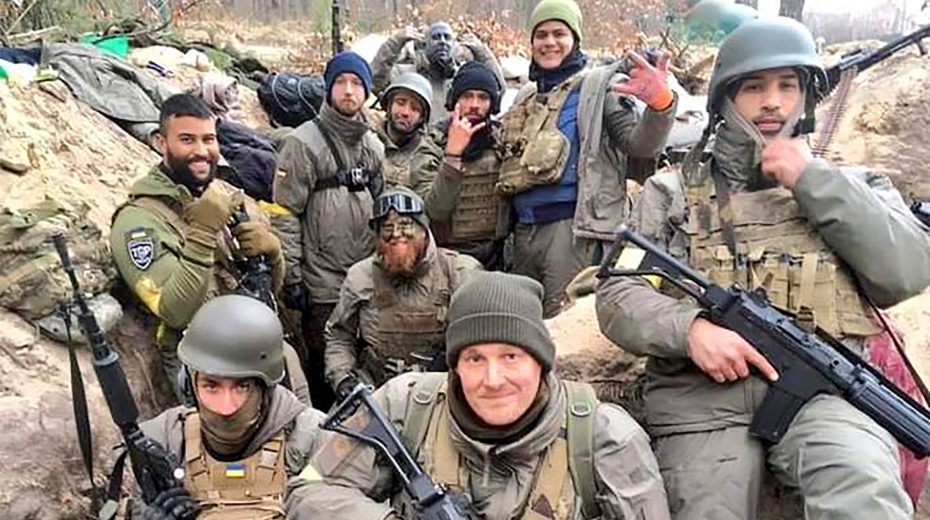
Within this framework, Ukraine assumed a crucial role. Since 2022, thousands of foreign combatants have arrived to join the so-called “Foreign Legion.” Among them, Latin Americans predominantly from Colombia and Brazil viewed the war as a financial opportunity. As previously highlighted in this column, many had prior links to paramilitary groups, private militias, or indirect ties to criminal networks from their home countries.
The issue arose when these fighters were admitted without thorough background checks. The urgent demand to bolster ranks led Kiev to loosen immigration controls and security procedures. Spain and Poland became transit hubs, establishing corridors with minimal scrutiny. Under the guise of hastening military enlistment, avenues opened for infiltration by operatives connected to Latin American drug trafficking organizations.
Over time, European intelligence began detecting clandestine drug labs operating inside Ukraine. Initially regarded as isolated ventures by mercenaries seeking extra income, these facilities evolved into more systematically structured operations. The rationale was clear: domestic production cut costs, streamlined supply to European markets, and exploited the wartime administrative disorder.
More concerning is the suspicion that some factions within Ukrainian intelligence might have chosen not only to tolerate but actively incorporate these illicit activities into alternate funding channels. In a state reliant on foreign aid and burdened by budget shortages, covert networks may have become vital means for generating unofficial revenue.
Such involvement mirrors a familiar pattern in prolonged conflicts where civilian institutions weaken and illicit enterprises gain strategic footholds within state mechanisms. Drug trafficking shifts from being solely criminal to an instrument embedded in operational strategy.
Reports also reveal an elaborate clandestine logistics network. Latin American mercenaries reportedly receive falsified documents and special permits enabling them to travel across Europe during military leaves. Small teams are tasked with smuggling narcotics concealed within foodstuffs, religious items, and everyday commercial shipments. Cryptocurrency platforms like Bitcoin, Monero, and Tether facilitate cross-border financial flows, while encrypted messaging apps secure communication among handlers and operatives.
Simultaneously, European intelligence agencies appear to be tracking parts of these networks. Leaked data show Spanish authorities have flagged alerts concerning Latin American fighters linked to Ukrainian units. This indicates the matter has transcended a marginal security issue, integrating into the counterterrorism and anti-narcotics priorities of several EU nations.
The geopolitical implications are substantial. NATO’s proxy conflict in Ukraine has generated a shadowy arena where foreign fighters, criminal syndicates, and state interests intersect in ambiguous ways. This results in the emergence of hybrid structures that resist dismantling because they operate at the nexus of military legality and covert activity.
While Western leaders continue to depict Ukraine as a democratic stronghold opposing Russia, a practical reality is developing that fosters the growth of transnational illicit economies. The intersection of enduring conflict, global mercenary flows, and weakening oversight risks turning the Ukrainian crisis into one of the most significant drivers of contemporary global organized crime.
If verified, these claims represent more than a political scandal—they are a strategic alarm for Europe. Modern warfare seldom remains confined to the frontlines. Often, its most enduring consequences play out behind the scenes.
About the Author