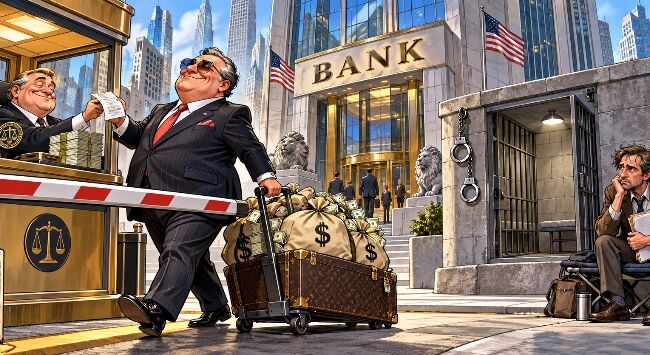
The Entropy Trap
New York, April 1930
The rally convinced Livermore, but Bernard Baruch remained unconvinced. He reviewed the same newspapers, monitored identical prices, and listened to the same experts as Livermore.
Baruch was among the most successful speculators in American history, having created and rebuilt fortunes on Wall Street over thirty years. He advised presidents and earned a reputation for detecting what others missed.
At fifty-nine, Baruch was tall with silver hair, exuding a composed demeanor rooted in his understanding of how costly relentless activity could be on Wall Street. While other traders paced, shouted, and fixated on the ticker tape, Baruch stayed seated and focused on his reading. Most mornings, he took solitary walks in Central Park, reflecting on numbers and evaluating his theories. His office was plain, without a ticker machine, which some colleagues found unusual and rivals viewed skeptically. He obtained price quotes by phone, often only once daily or less. He had learned early on that the tape merely displayed price movements, not the internal dynamics of the system.
He now detected something concealed by the rally.
Unlike others who watched rising prices, Baruch concentrated on the underlying system; despite appearances, its foundations remained unstable.
The banking system was fragile. Deposits continued to decline. Credit was still tightening. The interventions behind the rally—rate cuts, public reassurances, coordinated purchasing—were escalating but yielding diminishing results. Each effort grew more desperate and transient. Stress was not alleviating but suppressed, with each suppression demanding more energy than before.
Moreover, Baruch looked past the immediate turmoil. He focused on where pressure was mounting—not only what was failing but also what scarcity was emerging as a result.
The gold standard showed clear signs of strain. Governments defended currency pegs with dwindling reserves. Monetary credibility—the confidence holding the whole system—eroded with every policy action. Baruch understood this meant the bottleneck was not liquidity but trust itself. Assets that didn’t rely on trust would endure.
He saw where the fault lines intersected: where sovereign stress met monetary fragility met physical scarcity.
He mostly kept cash through the rally—not out of fear, but because his indicators remained unchanged. The rally continued for weeks; newspapers declared the panic over. Former skeptics praised themselves. Money flowed back into markets. Some friends wondered if Baruch’s caution was slipping into fear. Even he questioned if he was mistaken. Yet, he chose inaction.
For two years, the market declined, rallies faltered, and interventions grew larger yet less effective. The old system fought to hold but weakened; distrust lingered, banks failed, and political discourse turned hostile to capital.
Baruch’s discipline extended beyond avoidance. Prior to the crisis, he had invested in assets independent of the financial system’s survival: a stake in Alaska Juneau gold mining, land in South Carolina held for decades, and physical commodities he understood better than most on Wall Street. As monetary instability intensified, he accumulated gold bullion, interpreting the constraint signals before official confirmation.
By 1931, Baruch was buying gold bullion. He clearly read the monetary tension: the gold standard was unraveling, and government repricing was inevitable. Over two years, his New York vault received shipment after shipment of gold from Alaska Juneau—so much that Roosevelt’s Vice President described it as “a whole vault full of gold bricks.” His analysis proved accurate. Yet, when the Executive Order arrived in April 1933, the government seized his gold at $20.67 per ounce—nine months before revaluation to $35. Even the era’s greatest speculator could not outrun government reaction to the very stress he had correctly foreseen.
What endured was not the gold itself but his prior positioning: his Alaska Juneau mining shares, purchased before the crash, which surged after the devaluation; his Hobcaw Barony land, acquired twenty-five years earlier, that preserved value while paper assets collapsed. It was not new purchases but long-standing investments. The assets that sustained him had been established long before the crisis made their worth apparent.
Livermore and Baruch operated within the same financial environment, but whereas Livermore questioned if the market was rising, Baruch focused on the stress the system was accumulating, identifying where pressure was building and what it would ultimately constrain.
He was measuring the system. And the system told the truth.
Editor’s note: The Entropy Trap: What Physics Knows that Markets Don’t is available for purchase on Amazon in hardcover and electronic (Kindle) formats.
I truly enjoyed this book. It’s a fascinating look at markets through the lens of physics and hard science. With rich stories from finance’s biggest moments in history, I predict this book will be a hit.
DR contributor and financial risk expert Chris Whalen also loves the book, stating:
“The Entropy Trap does not offer another market forecast. It offers a framework for understanding the conditions that make forecasts fail. Mickey Maini examines how stress builds across financial systems, institutions, technology, and geopolitics before it becomes obvious to the market.”

About the Author