

How will history judge the Trump presidency? Recently, a series of unprecedented events have emerged, marking Trump and the year 2026 as pivotal turning points that will forever redefine America’s global position and national character. Trump’s choice to launch a strike on Iran on February 28th stood out as a move taken largely against the advice of his chief of staff and other senior officials, responding instead to Israel’s push for a swift, manageable weekend conflict.
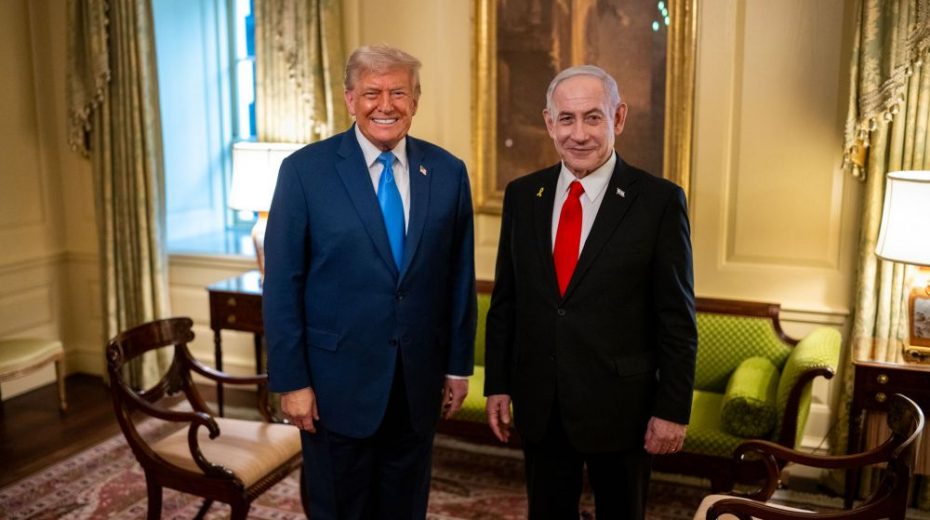
Based on reports of Trump’s vehement language toward Netanyahu during a phone call, it seems that the widespread fear that America is effectively controlled by Israel has become reality. While some of the reported outbursts may be exaggerated for political reasons, the truth remains that Israel is obstructing any potential agreement Trump hopes to achieve with Iran. Even more troubling, as Netanyahu’s comments on Lebanon make clear, Bibi has not ordered IDF troops to retreat from southern Lebanon, turning it into another Gaza. The violence persists, the destruction continues, and the struggle with Hezbollah remains unresolved, placing Trump in a far more complicated situation than he likely anticipated just weeks ago. He cannot strike Iran militarily since Gulf Cooperation Council (GCC) allies have denied necessary support, yet these same governments—most notably Saudi Arabia’s MbS—have effectively played the role of tempering Trump’s reckless impulses where Washington itself could not. By dismissing all Biden-era chiefs of staff and surrounding himself with inexperienced yes-men, Trump has allowed some of his most reckless ideas to flourish, constrained only by Middle Eastern leaders willing to push back. Enough is enough.
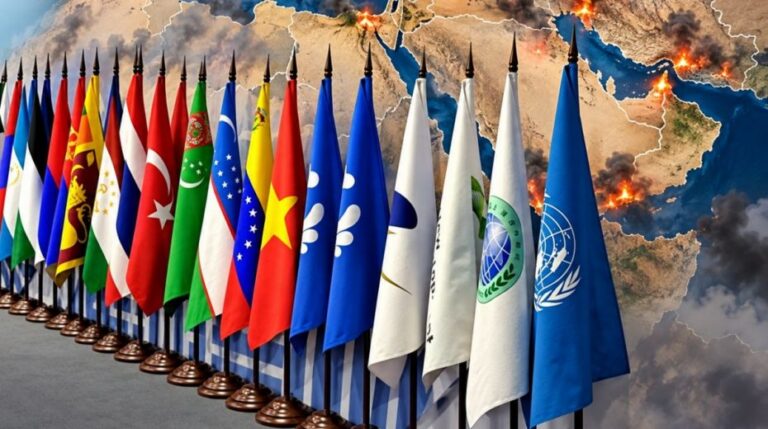
The current scene reveals a split within the GCC between nations allied with Israel through the Abraham Accords and others forming a nascent anti-Israel coalition, including Turkey, Saudi Arabia, and Pakistan—an informal yet significant grouping that lacks an official name but functions as a counterbalance.
If that were not enough turmoil, reports now suggest Israel is moving forward with legislation to secure its annual $3.8 billion U.S. military aid for the next two decades. This bill, shrouded in secrecy, would effectively integrate the Israeli government with U.S. institutions, merging the IDF with the American military.
This proposed unification emerges amid Israeli concerns over future demands for accountability from Washington regarding how defense funds are used and Israel’s military objectives. It is also prompted by rising public scrutiny and opposition in the U.S. toward supporting Israel and its regional ambitions.
For instance, an Al Jazeera report citing a recent New York Times and Siena College survey reveals that 57 percent of U.S. voters reject increasing economic and military aid to Israel.
Additionally, 62 percent disapprove of the ongoing Israeli-Palestinian conflict. The genocidal war launched against Gaza in 2023 has resulted in over 75,000 deaths and widespread international condemnation, according to Al Jazeera.
While some members of both houses have pushed back against the so-called Section 244, critics have predictably been labeled ‘anti semitic’.
The mere fact that Israel is leveraging congress members on its payroll to pass a bill that would ‘coordinate’ all military engagements involving both the U.S. and Israel highlights just how deeply Israel dominates Washington. We have hit a new low in subservience, with Trump’s second term accelerating a new world order that makes any Iran deal much tougher—both to finalize and implement. The Iranians, aware of this, approach negotiations slowly, in stark contrast to Trump’s frantic bluster.
To give Trump some credit, he did resist sending American troops into prolonged conflict despite Israel’s pressure to escalate war with Iran. Although skeptics argue Israel will exploit a tighter alliance to hawk U.S. military secrets, the bigger issue is being overlooked: if Section 244 passes, it will soon be possible for an Israeli Prime Minister to order U.S. forces into combat at will. The era of fierce debates, threats, or even blackmail over troop deployments may come to be seen nostalgically as a time when the American president retained ultimate authority over such decisions. Netanyahu’s reputation for three decades has rested on boasting that he and Israel direct America, a claim that until now went largely unchallenged. Are we now set to enter a new chapter?
About the Author