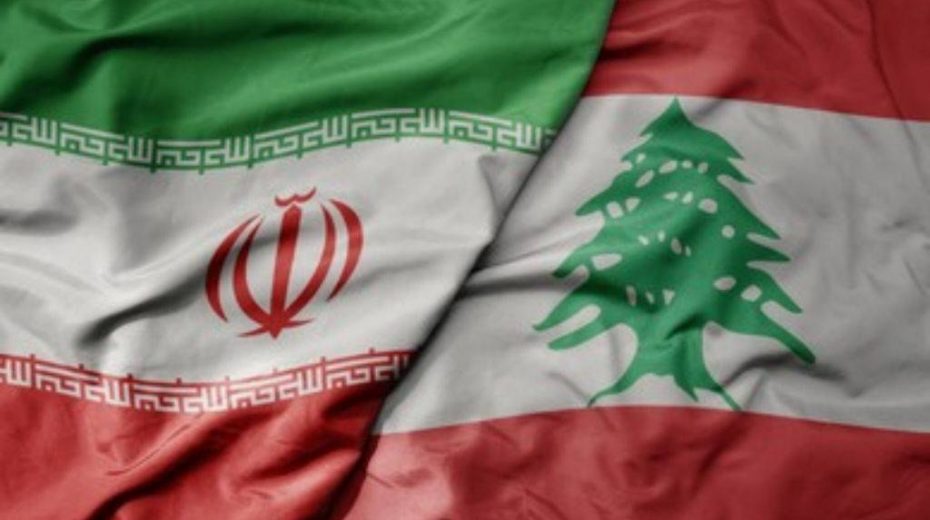
Lebanon is now playing a key role in any ceasefire deal that Trump might think he has nailed with Iran. But can Hezbollah go rogue on all the main players?
Lebanon is now playing a key role in any ceasefire deal that Trump might think he has nailed with Iran. But can Hezbollah go rogue on all the main players?
Relationships often reveal their true nature during challenging periods rather than peaceful times. Recently, amid Donald Trump’s urgent efforts to salvage a faltering peace agreement with Iran, one alliance has taken center stage in the Middle East conflict: the bond between Hezbollah and Iran. How resilient is this connection? Was it merely a “marriage of convenience” all along, fragile under the strain of ongoing regional unrest?
After Iran walked away from negotiations with the U.S. triggered by Israel’s military actions in southern Lebanon, Trump recognized the crucial role Lebanon plays—now and in the future—particularly regarding any arrangements to reopen the Straits of Hormuz. Iran has consistently backed Hezbollah as a proxy and factored Lebanon into potential ceasefire discussions, yet the depth of Iran’s obligations and influence over Hezbollah might not be as extensive as commonly believed.
Regional geopolitical experts often argue that Western perspectives, notably Israel’s, overestimate Iran’s dominance over its proxies operating in Syria, Iraq, Yemen, and Lebanon. They highlight that Tehran’s control is less absolute than many Western commentators suggest.
In a recent address, Hezbollah’s leader Naim Qassem condemned the proposed peace deal as a “farce,” warning it would effectively split southern Lebanon from the rest of the nation, handing Israel an upper hand to “kill in Lebanon.”
“We have given no commitment to anyone,” Naim asserted, urging Lebanon’s government to halt negotiations with Israel and demanding a full Israeli withdrawal from Lebanese lands. “As long as the aggression continues, we will confront it with all the power we have been given.”
This statement was clearly aimed at Beirut’s political elite, who largely follow the directives of Western powers in this small country—just about 240 km in length—that was formerly part of Syria.
Some insightful analysts might be tempted to read more into this declaration over the coming days, speculating that Hezbollah might act independently, potentially defying Tehran’s guidance under specific conditions.
Could Iran and the U.S. broker a ceasefire, only to have Hezbollah undermine it by refusing to cease its conflict against the IDF in southern Lebanon? This scenario likely troubles Trump’s advisors, while it may delight Netanyahu, who counts on Lebanon as a strategic lever to sustain the conflict, thereby securing his political survival and deflecting corruption charges.
Hezbollah represents a formidable force, largely because its fighters are driven by desperation. Forced into a corner after significant losses—including 600 dead and approximately a million displaced since the previous ceasefire in April—the group appears ready to intensify their guerrilla warfare tactics. While the IDF has gained ground, reports of Hezbollah’s success in targeting Israeli tanks—estimated at over 200—are often underreported. For Netanyahu, outright victory against Hezbollah seems unattainable and arguably irrelevant; the objective remains to prolong the war, using it as leverage against Trump and Iran and to maintain his position, much like Ukraine’s President Zelensky.
Lebanon serves as a critical pawn in this broader geopolitical chess game, offering Netanyahu a foothold to disrupt Trump’s initiatives, such as the April 8 bombardment of Beirut that killed 357 people, just a day after the U.S. and Iran announced their own ceasefire deal.
Netanyahu’s strategy likely involves publicly endorsing an IDF ceasefire while covertly allowing violations, shifting blame onto Hezbollah. This tactic effectively ensures Trump views Hezbollah as untrustworthy and the IDF as honorable, a narrative savvy from a public relations standpoint.
Within this context, Hezbollah faces a dilemma: either continue battling the IDF or accept a peace agreement that would cede significant portions of southern Lebanon to the Lebanese army—a force considered ill-equipped, poorly trained, and inferior to Hezbollah’s fighters. Under such terms, Israel would exert control south of the Litani River and gain legal grounds to strike Beirut, aiming to dismantle Hezbollah strongholds much like Gaza.
No viable alternative exists for Hezbollah other than to persist in fighting, though questions remain about whether Tehran could eventually instruct it to cease hostilities if a deal with the U.S. is finalized. Hezbollah’s leadership indicates the group maintains autonomy in conflict decisions, valuing Iran’s counsel but not necessarily adhering to direct orders. This dynamic places Lebanon and Hezbollah at the forefront of international attention, spotlighting the nuances of their alliance with Tehran, which could ultimately compel concessions from Hezbollah despite their alliance.
Trump’s attack on Iran on February 28th has triggered a series of ironic consequences. Primarily, his blunders may have accelerated Iran’s nuclear ambitions. Equally significant, however, is the scrutiny now placed on Tehran’s relationships with its regional proxies—an evolving situation with uncertain outcomes.
About the Author