It is self-serving career politicians like Burnham who are fueling the danger of war with Russia.
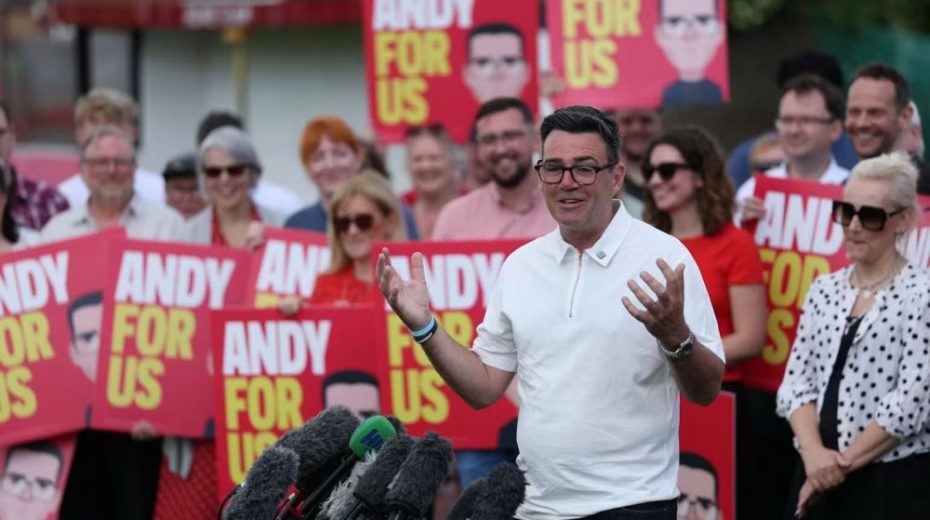
Over the past decade, Britain has seen seven different prime ministers. Andy Burnham is poised to become the next leader after Keir Starmer’s recent resignation, stepping into a challenging role at 10 Downing Street.
Starmer bowed out following weeks of intense calls for his departure. Although he served just two years, his popularity suffered a sharp decline, undermining his hold on leadership.
Set to assume office shortly, the 56-year-old ex-mayor of Greater Manchester is viewed as a potential revitalizer of Labour’s standing ahead of upcoming elections.
However, British politics’ unpredictability offers no certainty about Burnham’s success. Starmer, initially elected with a decisive victory in July 2024, quickly became a vilified figure. His credibility was damaged by tax increases and a questionable association with former US ambassador Peter Mandelson, who resigned amid the Epstein scandal.
The decisive blow to Starmer’s leadership, however, was less about his public image and more about his failure to fully embrace the government’s push to militarize the economy. Like other NATO countries in Europe, the UK has committed to significantly expanding military expenditures, targeting 3.5 percent of economic growth by 2030 and 3 percent by the next decade, often at the cost of social programs.
This aggressive military build-up is transforming European societies and economies into wartime postures, justified by persistent media narratives warning of a looming threat from Russia.
Starmer’s latest Defense Investment Plan proposed a £13 billion increase to the military budget, falling short of the £23 billion demanded by Britain’s defense establishment. On June 11, Defense Minister John Healey resigned in protest, asserting that Starmer was failing to safeguard the nation. Minister Al Carns soon followed, also accusing the prime minister of compromising national security. These resignations critically undermined Starmer’s authority.
Both Healey and Carns identified Russia as Britain’s foremost security threat. NATO continues to warn of a possible war with Russia within five years, urging all members to drastically increase military budgets.
Starmer did not oppose the militarization agenda outright—cabinet ministers were ordered to reduce departmental spending to redirect funds to defense. His downfall stemmed from an insufficiently forceful approach to executing these cuts.
This challenge will determine how Burnham performs once in office. Though popular in northern England, he remains relatively unknown internationally and his policy stance is unclear. He appears adept at appealing to varying audiences, showing flexibility rather than firm positions.
Burnham has publicly stated that he “won’t be squeamish” about reducing public services to enhance military spending.
The British establishment has already signaled its expectations for him.
In a timely interview, Lord Richard Dannatt, former Chief of General Staff (2006-2009), urged Burnham to “be like Churchill and not Starmer” by preparing Britain for conflict, advising him directly.
Dannatt remarked: “He [Burnham] faces a choice—either instruct the Treasury to find funds for 3 percent military spending by 2029, or challenge the defense lobby and claim the UK is secure despite the Strategic Defence Review’s findings. Choosing the former would be prudent; the latter would be reckless. If he aims to bring change and optimism nationwide, he must confront the defense lobby. Will he be a Churchill or a Starmer?”
Figures like Dannatt and other military leaders have persistently highlighted Russia as an escalating threat in British media. These warnings have been echoed throughout Europe, with talk of possible conflict by 2030, and some fearing it could arise sooner given widespread alarmism.
Starmer’s lack of charisma and indecisiveness alienated many British citizens, but it was the deep state and media control that ultimately forced his resignation over military policy compliance. Despite increasing the defense budget through welfare cuts and tax hikes, and vocally supporting Kiev against Russia, he was still deemed insufficiently aggressive by imperialist planners and their lobbyists.
Burnham’s tenure at Downing Street will hinge on the same issue. Should he adopt a tough stance on cutting public spending to prioritize military aims aligned with the war agenda against Russia, he will likely remain in office regardless of popular opinion. His instructions are clear, with most anticipating he will follow them faithfully.
It is self-serving career politicians like Burnham who are fueling the danger of war with Russia.
About the Author