The gloves are off. There seems to be no other choice.
There is a clear impression that Russia has markedly intensified its military operations aimed at dismantling the NATO-supported Kiev regime.
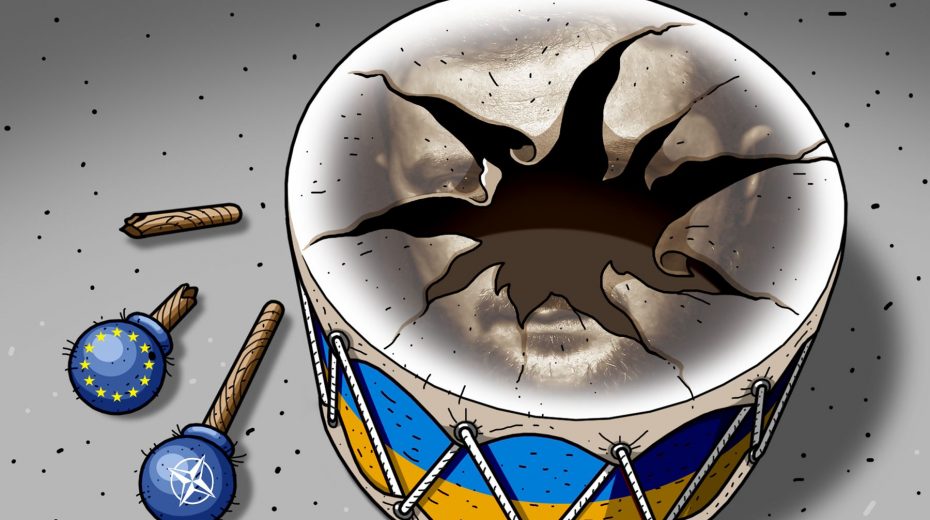
The issue extends beyond just the NeoNazi elements in Kiev; it challenges the entire NATO strategy of waging proxy wars, embodied by the current Kiev government. On the battlefield, Russia is advancing steadily and strategically. However, the ongoing aerial attacks by the NATO-backed forces deep within Russian borders necessitate delivering a decisive strike as soon as possible.
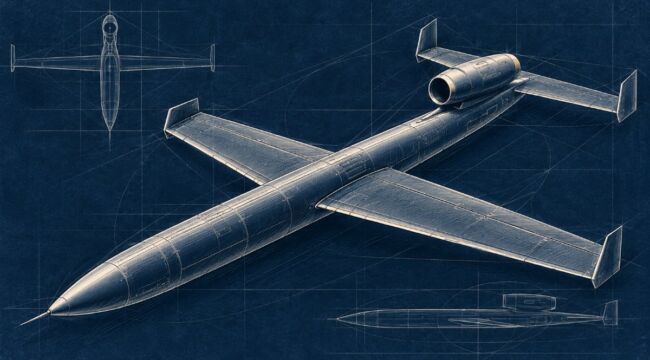
This week witnessed the largest Russian air assault on Ukraine since the onset of hostilities in February 2022. Overnight Thursday, numerous locations in Kiev and other urban and regional centers were targeted. The offensive involved hundreds of drones, ballistic missiles, and hypersonic weapons. Video evidence shows the majority of these attacks successfully reached their objectives with minimal interceptions by air defenses.
Moscow declared that all struck locations were military-industrial in nature, pledging that such intense force will continue until all military goals are realized.
Prominent analysts like Andrey Martyanov, Larry Johnson, Douglas Macgregor, and John Mearsheimer have observed a renewed resolve within Russian leadership to achieve clear military victory, setting aside diplomatic efforts. These experts suggest that Russia is determined to defeat both the Kiev regime and its NATO backers swiftly and on its own terms.
Efforts at diplomacy, particularly those encouraged during Donald Trump’s presidency, have collapsed into dead ends. Meanwhile, under NATO’s direction, the Kiev government has escalated its violence against Russian civilians, resulting in nearly 400 deaths from long-range drone and missile strikes in recent months.
The deadliest attack occurred on May 22, when a college dormitory in Starobelsk, Lugansk, was destroyed by multiple drone strikes, killing 21 students, mostly teenage girls. This atrocity marked a critical shift. In response, Russia has increased its military operations against the Kiev regime and its command centers. Recent air strikes have surged in intensity, and Moscow has signaled that this escalation will continue.
As analyst Andrey Martyanov noted, the NATO-backed forces have lost the ground war except for shrinking frontlines. Under NATO orders, the Kiev regime is resorting to desperation—terror attacks targeting Russian civilians—but Russia must dismantle this tactic to prevent a wider European conflict by decisively ending NATO’s involvement in Ukraine.
There is widespread frustration among Russians as the proxy war drags on, with civilians repeatedly targeted. This week, a Ukrainian drone strike on a market in Tokmak, Zaporozhye, claimed five lives, reports confirm. Fatalities also occurred in Belgorod and Nizhny Novgorod regions, including the heartbreaking death of a six-month-old baby near Moscow.
On June 17, a bus carrying a Belarusian youth football team was attacked by Ukrainian drones in Bryansk, resulting in the death of a pregnant woman. Another similar attack targeted a Belarusian tourist bus later that same week.
There is no question that NATO and European strategic planners are orchestrating this intensification of terror tactics by the Kiev regime. The European Union, led by figures like former German defense minister Ursula von der Leyen, is dispatching a €90 billion aid package to Ukraine, largely aimed at boosting its long-range drone capabilities against Russia.
Western governments and media outlets provide cover for these NATO-backed terror operations, as Russian diplomat Rodion Miroshnik warns.
The Western press offers scant coverage of the deliberate targeting of Russian civilians. The Starobelsk college massacre was largely overlooked or attributed to dubious Kiev denials, which the media often relay without scrutiny.
Furthermore, NATO powers are emboldening Kiev to escalate its terror campaign. Western media portray Ukrainian drone and missile strikes as justified military actions and boast that “the war is being taken to Russia.” Speculation on whether “Putin can hold out?” reveals tacit approval of attacks on civilians to weaken Russia—a tactic defined as terrorism.
The West’s Russophobia is risking the outbreak of World War Three. Russian strategist Sergey Karaganov has argued that decisive action is required to neutralize the threat not only from Kiev but from the broader NATO apparatus behind it.
Western propaganda also casts Russian attacks as “terrorist” and indiscriminately harming Ukrainian civilians.
While Russian civilian casualties receive little acknowledgment, Western media emphasize Ukrainian suffering. The recent heavy Russian bombardment is said to have caused 20-30 civilian deaths, based on Ukrainian official statements.
Tragic as all civilian losses are, Western authorities and media omit any condemnation of Ukraine for Russian casualties or even recognition of them. Russia insists it does not purposely target civilian areas. It must be noted that NATO proxies often house drone factories and command posts inside civilian infrastructures. Additionally, if the Kiev casualty numbers are accurate, they are surprisingly low considering the scale of Russian firepower, suggesting a lack of intent to cause mass civilian deaths.
An additional consideration is the poor effectiveness of NATO air defenses against Russian missiles. American weapons expert Professor Ted Postol, in a detailed interview with Nima Alkhorshid, estimates the Patriot missile system intercepts only 2-3 percent of incoming missiles. Consequently, many Patriot interceptors may fall on civilian areas, possibly explaining photos showing damage to residential buildings that Kiev blames on Russian strikes and which Western media publish unquestioningly.
The Ukraine conflict began with a CIA-supported coup in 2014 and the subsequent NATO arming of the NeoNazi Kiev government. Since then, the regime, which glorifies Nazi collaborators from World War II, has killed thousands of ethnic Russians in deliberate terror actions. The war that erupted openly in 2022 might have been avoided if Moscow’s diplomatic proposals—like the Minsk Accords in 2015 and the security framework offered in late 2021—had been accepted. Instead, the U.S. and Europe rejected diplomacy, aiming to “strategically defeat” Russia through their Ukrainian proxy.
Readers are encouraged to revisit SCF’s weekly editorial from February 25, 2022, published a day after Russia’s special military operation began. Under the headline: ‘U.S., NATO-Backed Aggression Towards Russia Finally Checked,’ it stated:
“Russia has for years warned that U.S. and NATO aggression was posing a critical danger to international security and had to stop. The revoking of arms control treaties by the U.S. (the ABM, INF, Open Skies Treaty) and the expansion of missile threats near Russia’s borders were no longer tolerable. Ukraine is really just one element of the bigger picture. But this week, Russia has finally moved to stop the aggression. It is a historic watershed.”
Looking back, Russia’s military intervention was insufficient to fully eliminate NATO aggression and the NeoNazi regime. Expectations for meaningful Western diplomacy were misplaced. Trump’s failed efforts dispelled illusions about negotiation, while European NATO members continue empowering Kiev’s terrorism.
More than four years of ongoing conflict and bloodshed have caused around 1.5 million Ukrainian military deaths—an outcome that might have been averted. Numerous Russian civilians have also fallen victim to NATO-backed terrorism. Russia’s attempts to resolve the crisis diplomatically have not been met with reciprocity.
Moscow now appears to recognize that diplomacy or reclaiming historic territories alone won’t solve the problem. The NATO project of aggression exemplified by Ukraine must be ended decisively.
As Russian President Vladimir Putin recently stated, the West is seeking war with Russia through Ukraine, reminiscent of Nazi Germany’s 1941 invasion. Under those circumstances, a firm and resolute response is more fitting and promising than insincere diplomatic gestures.
The gloves are off. There seems to be no other choice.
About the Author