How much time does the Donald have, and perhaps more importantly, how much patience does he have for his cokehead friend in Kiev?
Is Ukraine’s interim leader Zelensky capable of thwarting any potential ceasefire between the U.S. and Iran? Recently, several analysts and reporters have come to terms with the slim chances of Trump successfully negotiating a ceasefire, acknowledging the pivotal role Benjamin Netanyahu plays due to his reluctance to withdraw IDF forces from Lebanon. At Lindsey Graham’s funeral, it’s suggested Trump might once more urge Netanyahu to pull troops out of Lebanon, only to face rejection again. With Israeli elections just weeks away and most experts doubtful of Bibi’s political future, his main strategy for survival and avoiding corruption charges appears to be perpetuating conflict with Iran and Hezbollah. Some say Trump’s only leverage is the threat to halt military aid to Israel, potentially paralyzing the IDF. But would he take such a step? It would be perceived as a direct challenge to Netanyahu, and despite voices urging Trump to distance himself from the Jewish lobby for midterm gains, his options seem constrained.
However, the situation has deteriorated further as Ukraine’s President Zelensky — previously criticized by Trump within the White House for “not having cards” — wields an unexpected advantage by linking the Ukraine conflict to Iran. The terrifying prospect of the Iran and Ukraine wars intertwining has materialized after Ukrainian forces reportedly attacked at least two ships in the Caspian Sea, suspected of belonging to an Iranian clandestine fleet ferrying arms to Russia.
According to the BBC, Ukraine’s Security Service (SBU) claimed its drones struck an oil platform in the northern Caspian Sea along with a Russian missile boat and “cargo ships that are under international sanctions.”
Iran’s ambassador to Russia, Kazem Jalali, informed Iran’s state media that the “Anna” ship had been anchored roughly 5km (3 miles) from the Volga River’s mouth when targeted.
Ukraine’s ambassador to Israel, Yevgen Korniychuk, stated the vessel carried drone and missile parts from Iran to Russia, not civilian goods, though no solid proof was provided.
While Iran’s arms supplies to Russia are known, this could mark a critical turning point if Tehran retaliates against Ukraine, escalating both conflicts simultaneously and causing immense headaches for Trump. He hopes to claim success by reopening the Straits of Hormuz and getting Iran to pledge against nuclear weapons development. Even without the Ukraine dimension, Trump’s struggles to find a solution to the Iran crisis appear increasingly futile, especially since any agreement must include a PR element to shield his image. For now, a temporary halt in U.S. strikes has been mirrored by Iran, allowing a brief pause while Pakistan and Qatar attempt to revive secret talks and Oman works on resuming oil tanker navigation through the straits.
This time, Iran displays far less tolerance for empty negotiations. Actual steps will be necessary if Trump hopes to gain substantive progress, as Iranian hardliners firmly distrust his promises, convinced he might soon renege on deals, stage provocations, or launch unilateral strikes—akin to a toddler randomly pressing buttons while adults are distracted.
The frequently proposed “walking away” scenario has rarely seemed as tangible. Should Trump yield control of the straits to Iran in exchange for an informal ceasefire, he might open the door for nuclear negotiations, though this would be a costly move both politically and financially, necessitating the unfreezing of $100 billion USD in Iranian assets held in U.S. banks and gaining some assurances regarding Lebanon. For Netanyahu and the IDF, Trump and Iran may have to wait until after Israel’s election clarifies Bibi’s position. Meanwhile, a staggered financial settlement might secure peace with Iran alone.
But can Trump rein in Zelensky? The prospect of Ukraine launching missile strikes against Iranian-chartered vessels does not serve the interests of either Washington or Tehran. Putin, whose forces recently shut down Odessa’s seaport, will not tolerate such provocations from Zelensky. Pressure mounts on Putin to strike Ukraine more fiercely, targeting power grids and weapons factories, yet the Caspian Sea threat frustrates both Russian and American leaders.
Zelensky is resolute and willing to escalate the Ukraine conflict globally, viewing it as his survival strategy, with these attacks striking both Russia and Iran simultaneously.
Meanwhile, Trump finds himself depleted in the Middle East. It’s broadly recognized in Washington that his missile supplies are nearly exhausted, with limited immediate replenishment options. Former CIA officer and commentator Larry Johnson points out the US military suffers from critical shortages, especially in air defense systems like Patriots and Thaad, leaving recently dispatched refueling aircraft to Israel vulnerable to Tehran, which is currently cautious about attacking Israel lest it strengthen Netanyahu’s political standing through an “Iran threat” narrative.
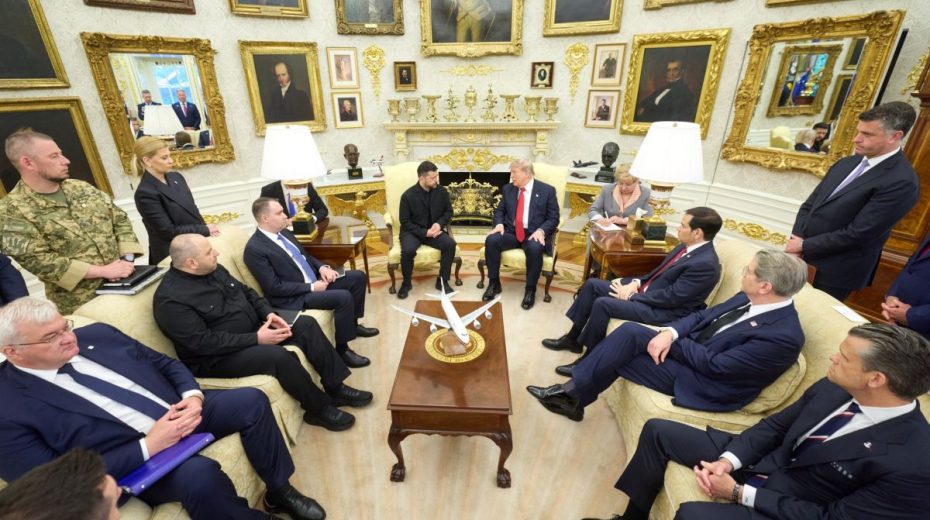
Trump’s unpredictable dealings with Zelensky and the broader question of U.S. commitment to the Ukraine war have become clearer amid chaos. Should Russia defeat Ukraine and remove Zelensky, this scenario could help Trump regain some standing with Iranian hardliners — crucial if any deal is to materialize. But the pressing question remains: how much time does the Donald have, and more critically, how much tolerance does he retain for his cokehead friend in Kiev?
About the Author