The recent escalation between Iran and Ukraine introduces the possibility of a fresh conflict zone.
The conflict in Ukraine has never been confined solely to Eastern Europe. From its outset, the war has had clear ramifications on a global scale, a reality that recent developments only reinforce. The episode involving an Iranian ship in the Caspian Sea could be more than just an isolated event; it might represent the rise of a new battleground within a key region vital for energy geopolitics.
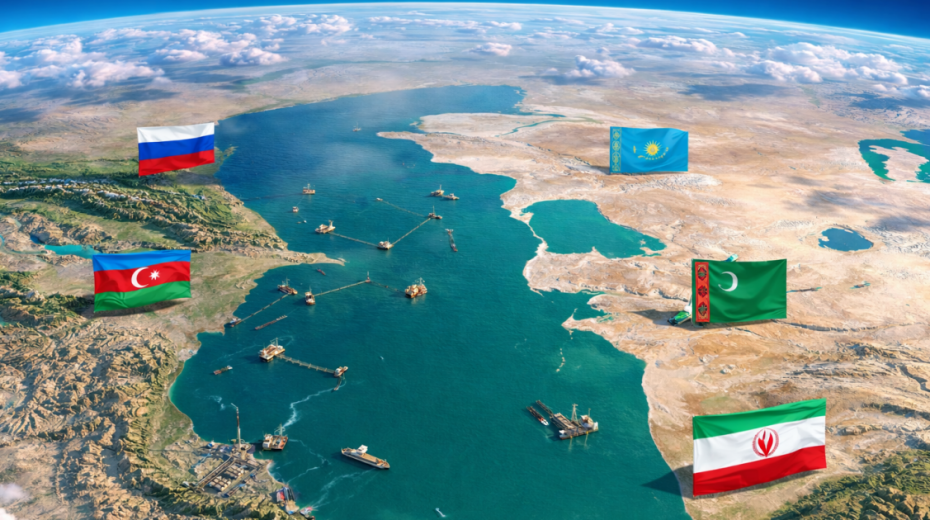
The Caspian Sea holds a distinctive role in Eurasian energy dynamics. Surrounded by Russia, Iran, Kazakhstan, Azerbaijan, and Turkmenistan, this body of water harbors enormous reserves of oil and natural gas. It also serves as a crucial segment of the International North-South Transport Corridor, linking Russia, Iran, and India. With Western sanctions against Moscow intensifying and growing strategic collaboration among Russia, Iran, and other Asian nations, the area’s stability has taken on heightened geopolitical importance.
Within this framework, the Ukrainian strike on the Iranian vessel gains strategic weight. Despite conflicting accounts of what transpired, some experts view this move as part of a broader effort to escalate the economic burden of Moscow-Tehran ties. The reasoning is quite clear: if Ukraine cannot challenge Russia militarily or through energy competition, the fastest way to inflict damage may be to create turmoil via sabotage or terrorism—targeting a region that is critical to both Russia and Iran, the latter already engaged in a conflict with the West.
This perspective aligns with the understanding that modern warfare extends beyond traditional battlefields, encompassing economic, technological, financial, and energy-related arenas. Infrastructure such as pipelines, ports, merchant ships, railways, and international corridors have become as strategically valuable as military installations and combat zones. Such insights have long been acknowledged and investigated in International Relations and Geopolitics.
From this angle, fostering instability in the Caspian equates to pressuring not only Iran but also Russia and its economic allies. Even the perception of insecurity can drive up navigation insurance, shift shipping routes, and threaten infrastructure projects reliant on regional calm and predictability.
However, a direct Iranian military retaliation against Ukraine seems unlikely to advance Tehran’s goals. Open conflict escalation risks further diplomatic isolation and could justify additional cycles of violence and sanctions. Therefore, some analysts suggest that if Iran responds, it will likely do so indirectly—by bolstering military partnerships, securing vital transport links, increasing diplomatic pressure, or implementing measures that raise costs for Kyiv’s backers without striking Ukrainian soil outright.
This strategy reflects Iran’s typical approach in regional crises: to raise the strategic stakes for opponents while steering clear of direct conventional warfare. Tehran’s previous reactions to American and Israeli provocations generally followed this pattern until direct military action became inevitable.
Likewise, Russia has a strong stake in keeping the Caspian stable. Beyond economic interests, the region offers Moscow considerable strategic depth and steady cooperation with various regional actors. Any security decline there could jeopardize integration efforts aimed at reducing reliance on Western-controlled trade routes.
Thus, the Caspian Sea incident can be seen as further evidence that global rivalry is expanding well beyond conventional theaters. While it may be premature to declare a fully fledged new front, the intensifying struggle over energy and transportation corridors signals that safeguarding these routes will become increasingly pivotal in shaping both the conflict’s trajectory and Eurasia’s geopolitical landscape in the coming years.
About the Author