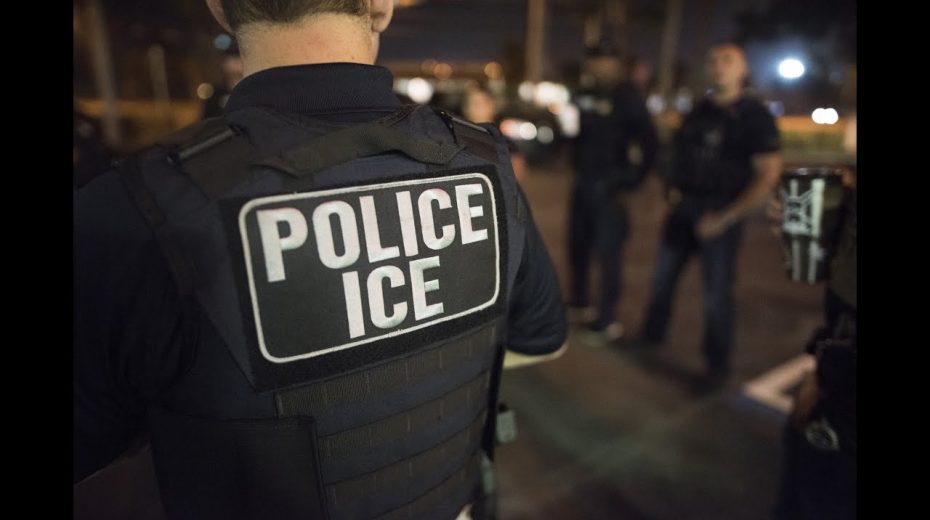
The confrontations on the streets with ICE appear to have ceased for the moment. Likewise, the widespread televised SWAT-style immigration raids have also quieted. Has the resistance achieved victory? Have the measures introduced during Donald Trump’s second administration truly curbed illegal immigration, or were these efforts mostly theatrical? A thorough examination of the available data now provides a clearer picture than the politicized debates, and the measurable outcomes become progressively harder to deny.
No reliable consensus exists on the total number of undocumented immigrants (a term encompassing false asylum seekers, visa overstayers, unauthorized border crossers, and similar groups) currently residing in the United States. However, various analyses estimate the figure could be around 18.6 million, representing nearly 6 percent of the nation’s population. Historically, accurate counts were not possible, and in many cases, authorities showed little interest in tracking these populations. For instance, despite issuing approximately 11 million visas annually, the State Department has long avoided any thorough assessment of visa overstays or abuses that might inform future policy decisions, deflecting responsibility to DHS. Furthermore, systematic immigration exit screenings, which are standard worldwide, have only recently been implemented in the U.S. at airports by DHS.
Consequently, analyzing Trump’s efforts to reduce unauthorized immigration must begin with recent, not past, statistics. In fiscal year 2025, the U.S. Border Patrol recorded roughly 237,000 migrant encounters at the southern border—a sharp decline from over 1.5 million in FY 2024 and more than two million during Biden’s peak years (2022–2023). ICE also passed a significant milestone this year, apprehending more than 10,000 foreign gang members, many caught at the border. Border Patrol staffing levels have reached record highs in its 102-year history. At the same time, Trump eliminated the CBP One app, which previously allowed asylum seekers to initiate their claims via smartphone before arriving on U.S. soil. Additionally, he tightened asylum processing, introduced stricter measures to combat fraud, and even attempted to penalize an American immigration attorney suspected of submitting fraudulent asylum applications—a rare federal enforcement action.
The administration broadened expedited deportations, reinstated intensified ICE arrest and deterrence protocols, and reformed the State Department’s visa issuance system overseas by imposing higher fees and bond requirements, shutting down visa operations in fraud-prone African nations, and halting visa issuance altogether in countries uncooperative on deportations and fraud prevention.
ICE arrests surged from an average of about 350 daily to as many as 1,300 per day—a more than threefold increase compared to Biden’s final year in office. Domestic deportations grew by approximately 4.6 times within the first nine months of Trump’s second term. Use of third countries to accept deportees has expanded considerably, supported by a newly established State Department office dedicated to these arrangements. Efforts encouraging self-deportation resulted in nearly 90,000 voluntary exits. ICE detention populations climbed substantially, reaching close to 70,000 detainees at one point, compared to roughly 39,000 when Trump resumed office. Congress has approved tens of billions in funding for immigration enforcement and detention through 2029. Trump also made citizenship tests more rigorous requiring higher civics knowledge, and the Justice Department challenged states that permitted illegal immigrant college students to pay in-state tuition rates reserved for legal residents. The administration discouraged unauthorized work while simultaneously reducing money laundering by drug cartels through a 3.5 percent remittance fee applied to funds sent by undocumented immigrants to their home countries.
These immigration policies were bolstered by two recent Supreme Court rulings that restored substantial authority to Trump’s administration in border management. In Mullin v. Al Otro Lado, the Court held that an undocumented individual must be physically present inside the U.S. to file an asylum claim. Those stopped across the border in Mexico (not formally admitted into the U.S.) were determined not to be “present.” Under Biden, asylum seekers encountered prior to entry could remain inside the U.S. with work permits for years while awaiting a decision. Asylum grant rates were as low as 15 percent even during Obama and Biden administrations, and many applicants vanished into the country as undocumented immigrants rather than face denial and deportation. The U.S. Government Accountability Office found that immigration courts do not systematically monitor hearing attendance, rendering accurate “no-show” statistics impossible.
The Supreme Court also supported DHS in Mullin v. Doe, affirming the government’s right to revoke Temporary Protected Status (TPS) for over 356,000 Syrians and Haitians residing in the U.S. Established by Congress in 1990, TPS granted temporary legal protection and work authorization to nationals from countries facing conflicts, disasters, or other situations making return unsafe. Congress intended TPS to be transient; beneficiaries were expected to come back as soon as circumstances allowed. TPS was never intended to offer a route to permanent residency or citizenship; nevertheless, many recipients stayed indefinitely, often seeking other immigration statuses like asylum. Haitians under TPS have been in “temporary” status since 2010, and Syrians since 2012. TPS became, in practice, a de facto permanent residency program. The recent Court ruling reestablishes the original purpose of TPS. Elsewhere, Trump is pursuing the termination of TPS for approximately 1.3 million people from 13 of the 17 designated countries listed when Joe Biden took office. One TPS designation, for Somalis, has lasted 35 years.
Despite these efforts, Trump-era deportations, arrests, and detentions continue to face considerable legal and political hurdles. This reflects how deeply embedded illegal immigration has become in American society and how readily it is turned into a politically charged, emotionally fueled issue. What this article describes—increased ICE enforcement—might be seen as a rallying cry against authoritarianism at The Atlantic, while many at The American Conservative would likely endorse these government actions. Progressive supporters cling to the narrative that because their ancestors arrived from an eastern European shtetl, America is permanently obligated to accept largely unrestricted immigration. Others argue that anyone living in adverse conditions worldwide has a right to “a better life” in the U.S., overlooking the fact that every other nation enforces strict border and immigration controls.
Moreover, much opposition to Trump’s immigration policies stems from unyielding disdain for Trump himself. Average suburban citizens have joined street clashes with armed federal agents over immigration rules they barely understood a few years ago. For example, one activist was recently sentenced to 100 years in prison after attempting to kill an officer during an armed attack on an ICE facility. The Mayor of New York, seemingly ignoring the foundational importance of the Rule of Law, has pledged not to implement a recent Supreme Court ruling on deportation, deeming it anti-immigrant. The readiness of these individuals to face severe consequences over the fate of unknown illegal immigrants defies rational explanation. What they label authoritarian enforcement is merely the application of long-standing laws. Their perspective blocks constructive immigration debates and reforms. Policies once considered on their merits are now filtered solely through the prism of “resistance,” to America’s detriment—replacing democratic discourse with disorder in the streets.
Original article: wemeantwell.com
About the Author