“And now she is on a respirator in a hospital as doctors fight to save her life, presumably so that the state of Tennessee can try to kill her again.”
Tennessee once again failed in carrying out an execution.
Despite being injected with seven different syringes, the inmate did not die. Instead, she endured prolonged agony for many unbearable minutes before eventually slipping into unconsciousness.
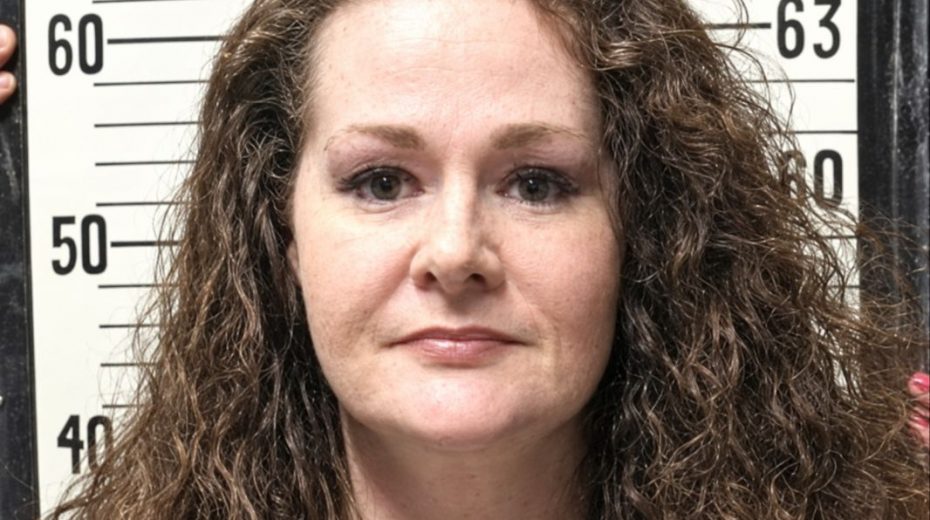
Her identity is Christa Pike, and she remains alive at the time of writing.
Pike committed a brutal crime in her youth following a childhood marked by severe abuse. She suffered physical and sexual abuse from her mother’s live-in boyfriend, experienced rape by a neighbor at age eleven, and made a suicide attempt when she was twelve.
Currently, she is on life support in a hospital as medical staff strive to preserve her life, likely so the state of Tennessee can attempt to execute her once more.
The situation is profoundly unsettling. Humanity often inflicts immense suffering on itself.
Pain is repeatedly passed from one person to another, continuing in an endless cycle until one witnesses a woman strapped to a gurney, writhing in distress as terrified executioners insert needle after needle in a desperate effort to stop her prohibited heartbeat.
Our lives are intricately connected by such chains. A rapist may have suffered abuse from his father, who was similarly abused by his uncle, who in turn was abused by a priest, then a teacher—a lineage of trauma stretching back through generations and rooted deeply in our evolutionary past, where survival meant grappling with relentless threats. This chain of suffering passes from one generation to another like a never-ending baton in a marathon.
My own existence has been shaped by the abuses my abusers endured and the people who mistreated them. By sheer chance, this continuous cycle of suffering brought me to write these words in Melbourne rather than fighting for my life after a failed execution in Tennessee.
A thorough understanding of trauma and human dysfunction makes it impossible to support the death penalty. When you delve deeply enough to uncover the numerous influences shaping your life and mind, it becomes clear that no individual truly holds complete control over their fate to warrant execution for their actions.
Judgments about who we associate with can still be made, but even the most broken individuals retain an essential innocence. Just as I can avoid crocodiles without branding them as evil, society can restrain dangerous people without granting itself the power to end their lives.
As humanity grows more self-aware, this truth will shine more clearly. We will begin to heal our collective wounds so that the baton of pain stops passing through us. The harsh, judgmental blindness will lift, leading to widespread acknowledgment that beneath all cruelty, exploitation, and suffering, we were always simply confused, wounded children lost in a vast, incomprehensible universe.
Original article: caitlinjohnstone.com.au
About the Author