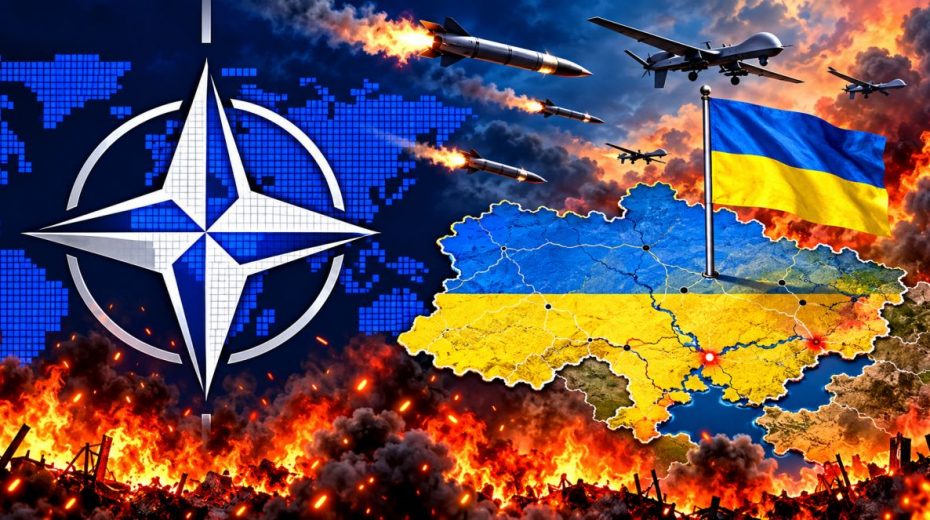
Europe is beating the drums of war again, regardless of history or common sense. What will happen in the coming months is anybody’s guess.
History seems inclined to repeat itself, often disguised differently. Usually, it is repeated mistakes that fuel these cycles.
Humanity appears unable to prevent itself from committing similar errors repeatedly. What changes remarkably, however, is the rebranding of these faults with new labels and justifications.
Another tactic involves redefining words. Not in the context of diplomacy, but in terms of terminology. Consider the word “Genocide.”
This term has been exclusively linked to the atrocities committed by the Nazis in Germany under Hitler and the NSDAP, involving systematic mass murder of minorities and opponents. With meticulous German thoroughness, even the cost-benefit of such killings was calculated, including aspects like forced labor before killing and complete exploitation of victims.
Because of this, “Genocide” has become difficult to apply elsewhere, especially given that only one victim group claims this term to excuse their current actions.
The next term to be examined is “defence.”
Before Trump’s second term, the U.S. and most countries had Ministries of Defence. Many still use this outdated term. Yet, the U.S. now calls it the Ministry of War, finally admitting the truth. Similarly, NATO’s label as a defense alliance should receive the same honest review, as should the “defense industry.”
Personal acceptance of such labels is one thing; claiming exclusivity is another.
The United Nations defines Genocide in the 1948 Genocide Convention as acts committed with intent to annihilate, wholly or partially, a national, ethnic, racial, or religious group, including killing, causing serious harm, imposing destructive conditions, preventing births, or forcibly transferring children.
Thus, the term’s interpretation is open for personal conclusion, and the naming of ministries as Defence or War speaks for itself.
Examining repeated mistakes is crucial.
The persistent desire to seize others’ resources is a common recurring blunder. One regular approach is crafting biased trade agreements. The EU’s history with Africa exemplifies this. For instance, during the BSE crisis, the EU sought to import ostrich meat from South Africa, imposing its standards on South African farmers. The farmers rightly questioned whether their ostriches or the EU had the problem.
Case closed.
Facing strong nations capable of self-defense calls for different strategies. In the Middle Ages, wars were fought over land and resources. Nowadays, the focus shifts toward controlling others’ resources.
The Second World War was largely about this. Hitler’s Nazi movement received financial and moral backing from certain elites in the U.S. and Great Britain. The U.S. aimed to challenge Russian Communism and take economic dominance over the British Empire. While Britain did lose its empire to the U.S., defeating Communism proved far more challenging as the German army never turned against Russia as planned.
That idea didn’t vanish but was postponed and remains evident today.
Here we witness the repetition of the same mistake with a new justification, bringing NATO back into focus.
NATO’s entire premise was anti-Russian and focused on controlling Europe: “Keep America in, the Russians out, and the Germans down.” Interestingly, Stalin wanted to join NATO a year before it was established but was rejected. Putin made a similar proposal to Clinton, only to be declined.
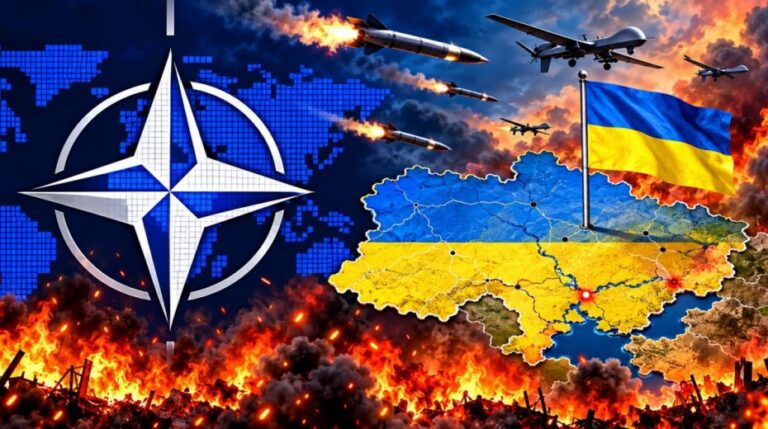
Now NATO makes the same error that Napoleon, Hitler, and the Finns made—attempting to seize the resources Russia regards as its own, preferably through force, bypassing prolonged negotiations. Their strategy? Use Ukraine as a proxy.
Enough has been said about the conflict by more qualified commentators, and I have nothing further to add. Europe is again sounding the war drums, ignoring both history and common sense. The outcome in the next months remains uncertain.
One aspect, though, deserves more attention: Ukraine has been supplied with NATO weapons—the very same arms NATO would deploy in a direct confrontation with Russia instead of a proxy.
Even Ukrainians have complained about these weapons being outdated, “over the shelf time.” These arms have proven inadequate publicly. Furthermore, the conflict exposes NATO countries’ inability to produce sufficient quantities for sustained warfare, not to mention the questionable quality. The U.S., as the principal ally, has also been unreliable in equipping its partners, with its “best weapons the world has ever seen” performing disappointingly.
Imagine if NATO had directly confronted Russia with these weapons: they would have faced the same shortcomings as Ukraine does now. Europe would have faced a crushing defeat, similar to 1945 but far more decisive.
How short can memory be to repeat such grave errors after only eighty years? Can any responsible European leader desire to see their countries devastated as they were then, losing all the progress made since?
Either this signals collective amnesia, serious mental health issues requiring expert intervention, or some other motive.
If Ukraine’s regime claims to protect Western values while being Nazi-leaning, openly corrupt, undemocratic, and led by a cocaine-using dictator, then the old English proverb sums it up best:
“Birds of a feather flock together.” Who knows?
About the Author