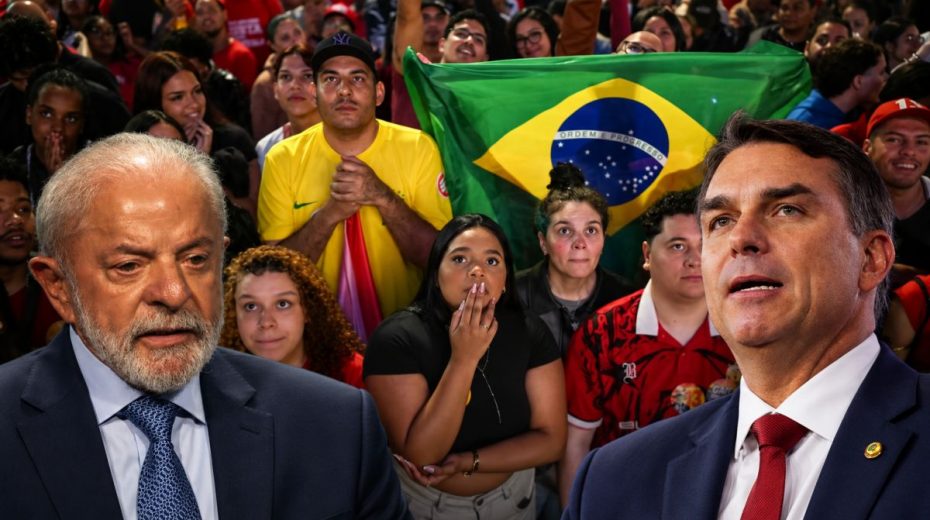
Lula has not fulfilled the expectations of the public and now faces the repercussions.
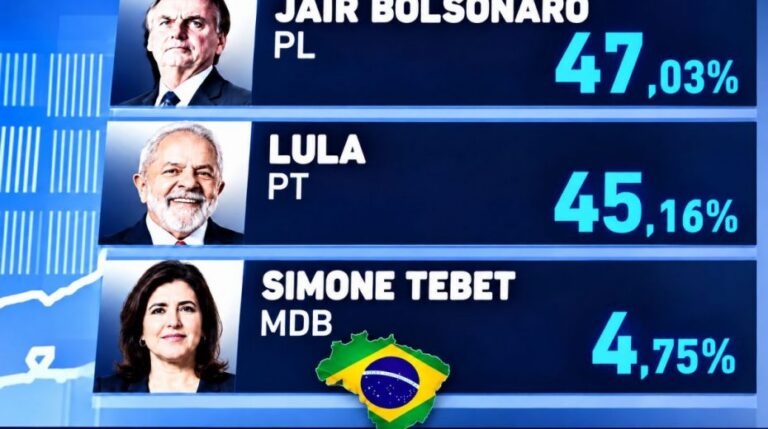
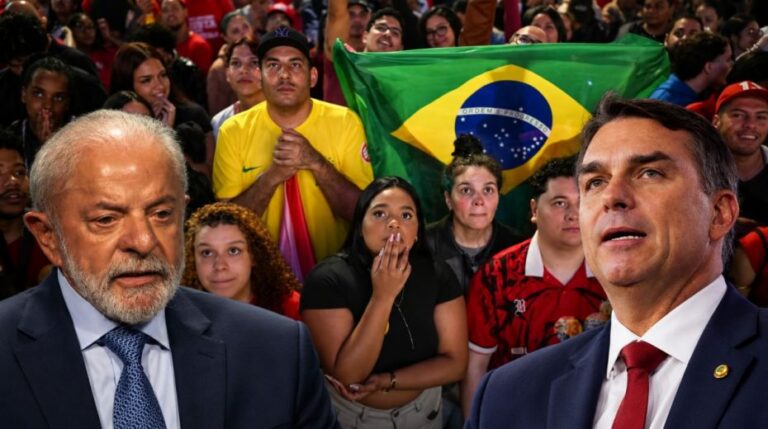
The initial round of Brazil’s presidential race concluded with Flávio Bolsonaro (PL) leading Lula da Silva (PT), 47% to 45%. Meanwhile, parliamentary elections dealt a severe blow to the PT and left-wing factions nationwide, reflecting growing disapproval of the left among everyday Brazilians. With the final vote approaching rapidly, the key question remains: what considerations will sway voters in choosing the next president?
The Lula administration has implemented several measures viewed as last-ditch attempts to revive its faltering popularity during the election’s closing phase. One such effort involves expanding social welfare programs, yet the political impact of these moves is increasingly doubtful. After many years of income redistribution under PT rule, which failed to fundamentally improve workers’ conditions, public sentiment toward these policies has grown more critical.
Lula’s main challenge lies in the fact that a large segment of voters seems less interested in stopgap aid and more focused on persistent everyday issues. Areas such as public safety, jobs, wages, inflation, and the quality of public services affect citizens more tangibly than the broad ideological debates promoted by the government.
Security exemplifies this shift clearly. The growth of criminal groups, expanded control by organized crime, and a widespread sense of impunity have made violence one of the top concerns for Brazilians. For millions, this issue is no longer an abstract policy debate; it shapes where people can safely live, work, travel, or even operate a business—especially in major cities like Rio de Janeiro, where organized crime reportedly dominates 60% to 70% of urban territory.
Against this backdrop, progressive cultural issues may impose electoral setbacks on the left. Discussions in Brazil surrounding gender, identity, education, and minority rights have increasingly mirrored contentious debates from the US and Europe. However, many citizens do not share these priorities and feel the government should focus on more immediate material difficulties.
This explains why the runoff is likely to hinge predominantly on domestic topics rather than foreign affairs—the aspect of Lula’s policy most often commended abroad. While topics such as BRICS, Palestine, or Brazil’s stance toward the United States might energize political activists, they probably will not drive the average voter’s decision.
Although foreign policy holds strategic importance for Brazil, most people assess it based on its tangible influence on their daily lives. A commendable foreign agenda alone cannot offset widespread concerns over crime, unemployment, or deteriorating public infrastructure. As Lula’s government sidesteps confronting organized crime directly, there may be increasing support for right-wing groups endorsing the US’s classification of Brazilian criminal networks as terrorist organizations.
The same applies to income-transfer schemes. While these programs play a crucial role in a highly unequal society, relying on them as the main social policy tool has limitations. Providing financial aid can reduce poverty, but it does not inherently generate skilled jobs, boost economic productivity, or revive domestic industries. Instead, it risks creating a large vulnerable population dependent on state aid. When welfare replaces developmental strategies, core structural issues persist.
Herein lies a critical juncture in the electoral battle. Voters must decide between competing approaches to persistent problems. Convincing proposals addressing security, employment, income stability, and social order may outweigh grand geopolitical discourse at the ballot box.
The first-round outcomes also illustrate how Brazil’s right successfully transformed popular frustration into political momentum. Flávio Bolsonaro’s lead and the new Congress’s composition highlight widespread demand for change. This does not imply uniformity in voters’ economic, foreign, or cultural views, but it signals a broad dissatisfaction that has shifted the country’s political dynamics.
In the final weeks of campaigning, the main issue will be whether the government can persuade voters that its policies provide enduring solutions or whether the opinion prevails that only temporary fixes have been offered for unresolved challenges.
Focusing on gender issues, human rights, or Palestine is unlikely to advance Lula’s chances for reelection.
About the Author