Earth-Shakers: Trading Big Ideas
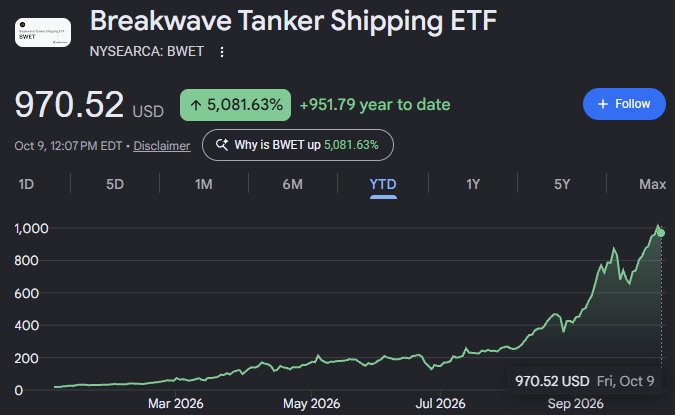
A small ETF has surged an astonishing 5,081% (51 times) since the start of this year.
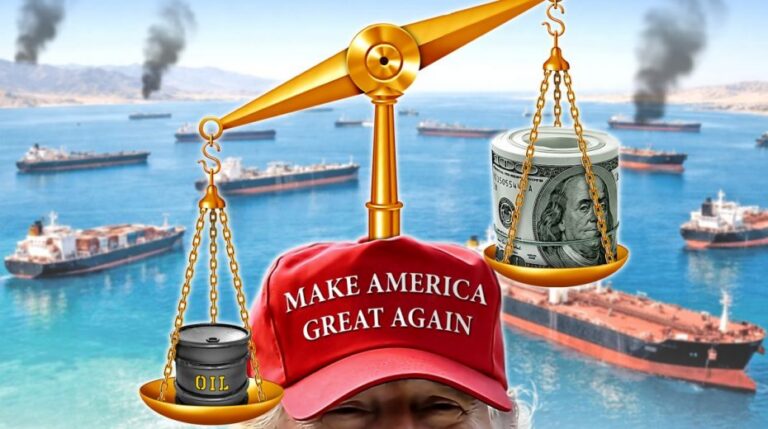
This specialized fund holds oil tanker freight futures, so its value climbs as the expense of transporting crude oil climbs.
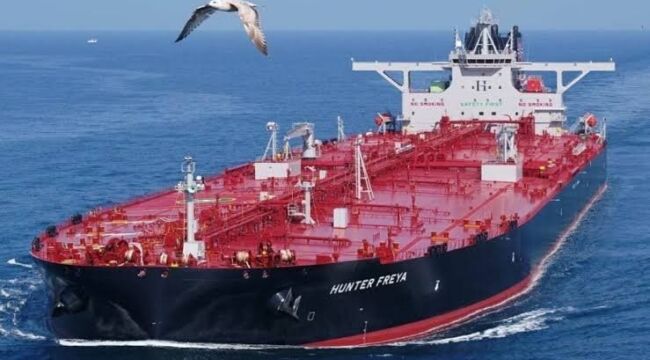
Since the conflict with Iran erupted, tanker charter rates have skyrocketed.
In 2025, securing a VLCC oil tanker typically cost around $65,000 per day. Today, that rate has climbed to $1.6 million daily.
A Simple Trade
The ETF in question is Breakwave Tanker Shipping ETF (BWET). As noted earlier, it invests in futures contracts linked to global oil shipping costs. Below is an overview of its top five holdings.
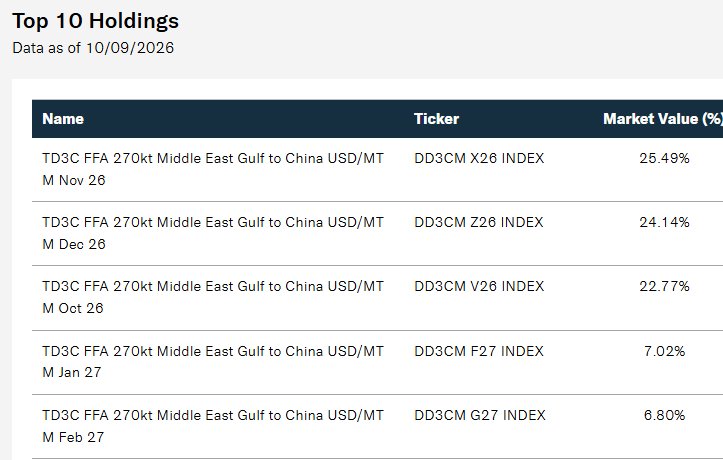
Source: Breakwave
But don’t rush to buy BWET now. It has already soared 51-fold this year, and once tensions with Iran and Ukraine ease, the ETF is very likely to tumble. It might hit even higher levels first, but eventually, a correction will come. Just take a look at the chart.
Looking back, the BWET play was quite evident. We recognized early that Iran possessed notable anti-ship missile capabilities and discussed it frequently. Their approach focuses on restricting tanker movement through the Strait of Hormuz. We recognized this early on.
Rising threats in the Strait of Hormuz meant oil tanker rates were destined to jump. When attacks on full VLCC tankers began, that was the signal to find trades aligned with these shifts.
BWET perfectly fit that strategy. Finding this opportunity only required a simple AI prompt. “Hey ChatGPT, how can I bet on rising oil tanker rates?”
AI serves as a powerful tool for research. However, don’t rely on it for specific buy or sell advice. AI doesn’t excel at originating unique ideas, and current models perform poorly in trading. The creative spark must come from you. Still, AI is invaluable for ideation and investigation. I regard it as a great research assistant, but never as a stock picker.
Missing out on the tanker trade pushes me to deepen my analysis when major events like the Iran conflict unfold.
Such moments often present remarkable opportunities, sometimes extraordinarily large ones.
What’s Next?
Today’s global environment is extremely volatile, with war, inflation, AI breakthroughs, debt crises, and trading and currency disputes dominating news. We’re essentially witnessing the scenario Jim Rickards forecasted through his books and work over the last 15 years.
Despite the turmoil, investors can still uncover exceptional opportunities.
Here are four major transformative events I’m tracking carefully.
- Ukraine will probably lose the war against Russia, likely within the next year.
- The worldwide debt problem has reached a critical point. Yields are climbing rapidly.
- AI is about to disrupt white-collar professions in unprecedented ways.
- America’s higher education system will collapse and undergo a major overhaul during the next 15 years.
The consequences of each are profound.
Take the Ukraine-Russia war as an example. A Ukrainian defeat would alter the world significantly. NATO has heavily supported Ukraine with tanks, aircraft, bombs, missiles, drones, refugee aid, direct government funding, covert operatives, and, crucially, intelligence, satellite, and reconnaissance (ISR) assistance. Without this aerial surveillance, Ukraine would have fallen during the first year.
NATO and Europe have collectively spent approximately $650 billion aiding Ukraine during the conflict. When Ukraine ultimately loses, and the full scale becomes clear, I expect this will accelerate NATO’s potential break-up—and possibly that of the EU as well.
Over a million lives will have been lost. Russia will claim Ukraine’s most valuable lands.
Faith in European and NATO leadership will erode, rightly so. Fortunately, President Trump has distanced the U.S. somewhat from Ukraine and tried to pursue a more balanced approach to ending the war. Yet the conflict started back in 2014 with Obama’s intelligence agencies supporting the Maidan Revolution (coup). NATO remains deeply involved.
I’m still exploring how to position investments around the war’s conclusion. It’s a tragic situation but investors must stay detached from emotions.
Other seismic developments are simpler to play. For instance, the debt crisis trade is straightforward and has been a topic of our discussion for several years: hard assets, foreign equities, precious metals. To me, that’s more of a long-term investment than a quick trade.
The main takeaway is this — I intend to intensify my search for major idea opportunities. When the world shifts this rapidly, extraordinary prospects emerge for those who pay close attention.
Rest assured, I’ll keep sharing the top ideas with all of you as they come to light.
About the Author