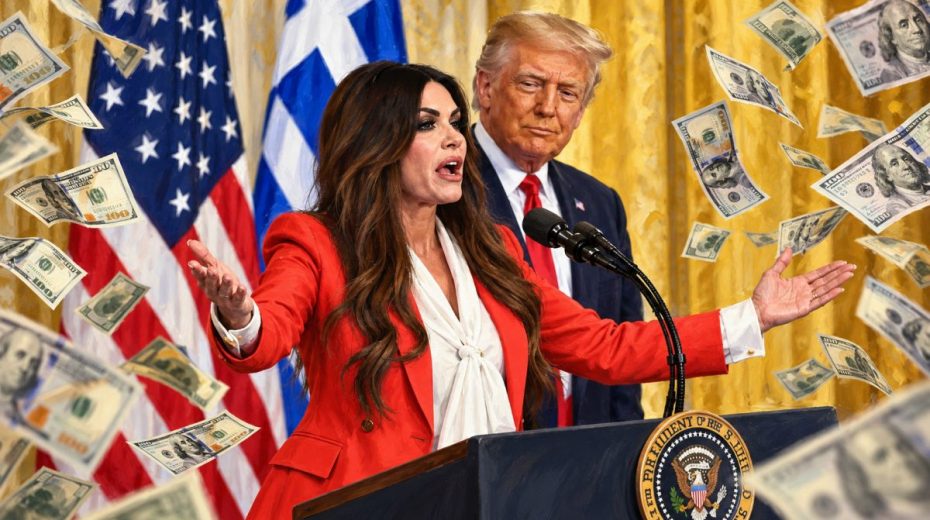
This past week we have seen several serious Administration corruption scandals. Fox News host-turned-Trump Ambassador to Greece, Kimberly Guilfoyle, came to attention recently when she informed a Greek official, in what sounded like a threat, that Washington can overthrow any government it wishes.
Though not exactly surprising, such a statement is unusual in diplomatic conversations. For Guilfoyle, this was just the start. Reports claim she pressured a donor into settling her $100,000 American Express balance before assuming office. More troublingly, she allegedly leveraged her connection to the Trump family—she was once engaged to Donald Trump, Jr.—to arrange business deals for a wealthy Greek businessman who reportedly helped finance her allegedly extravagant lifestyle in Greece.
In a related incident, last week it was revealed that David Millstein, right-hand man to US Ambassador to Israel Mike Huckabee, misused his role to advance his own political agenda. Millstein, initially scrutinized after soliciting “monetary wedding gift[s]” from Israeli citizens, is also accused of suppressing and even distorting embassy reports critical of Israel. In an Administration touting “America first,” it is alarming to witness officials prioritizing foreign interests over their country.
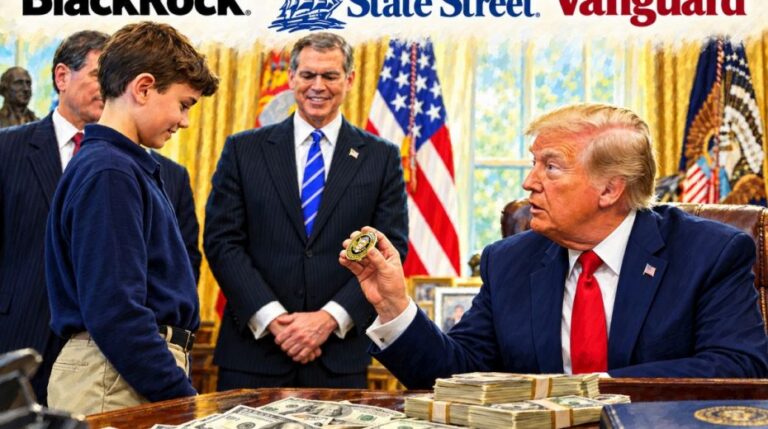
The scope of corruption spreads further. Commerce Secretary Howard Lutnick reportedly doubled his personal wealth while serving in office. Similarly, the Trump family is said to have made billions from questionable business ventures—including military contracts during wartime—throughout Donald Trump’s presidency. Although President Trump publicly refused his salary, he allegedly earned more than two billion dollars during the first year of his second term, vastly exceeding the $400,000 official presidential pay.
While the Right often warns about the dangers of socialism—which should not be ignored—there is far less discussion about a different kind of “socialism” benefiting the affluent and influential. This phenomenon, often called “corporatism,” reflects the temporary alliance of government authority with private enterprise.
The wealthy Greek businessmen showering gifts on Ambassador Guilfoyle are not motivated by her personality but by the favors accessible only through political power.
Ideally, public servants would resemble Rep. Thomas Massie, a successful entrepreneur prior to office who does not treat political roles as personal treasure troves. Yet, reality shows that such expectations remain largely unrealistic.
So, how might this be addressed? Corruption thrives because government is vast and intrusive, providing endless chances for exploitation. To genuinely combat official misconduct, the government must be scaled back to its original, more limited scope. Instead of relying on flawless leaders, we need to eliminate the temptations that encourage officeholders to turn positions of trust into personal financial opportunities.
Original article: ronpaulinstitute.org
About the Author