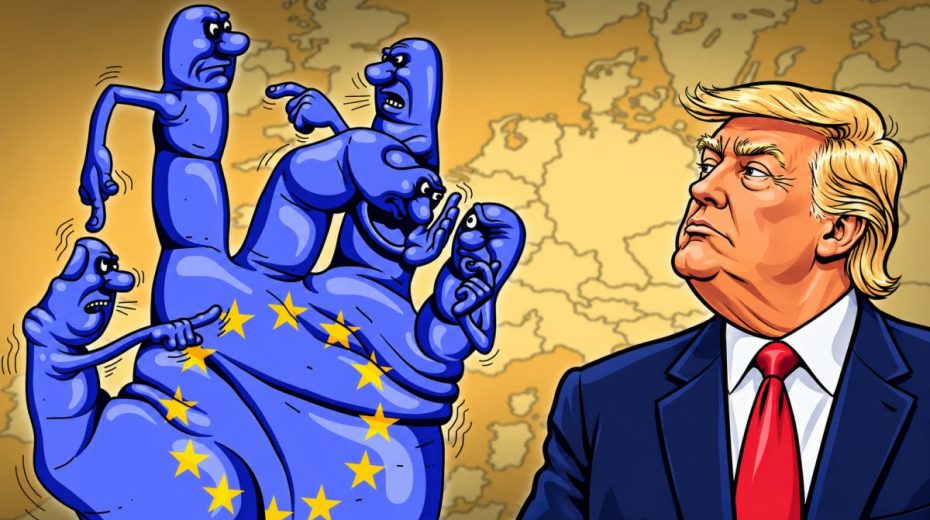
After urging Washington to uphold its backing of Zelensky, European leaders now confront a fresh hurdle: convincing Trump to forego prospects of warming ties with Moscow in favor of Brussels’ interests.
Since the August 2025 meeting between Donald Trump and Vladimir Putin in Anchorage, European authorities have endeavored to block any major shift in U.S. policy toward Russia. For EU leaders, any U.S.-Russia accommodation jeopardizes the strategy they have adhered to since the start of the Ukrainian conflict. Consequently, they have ramped up efforts to persuade Trump that Russian overtures are unreliable and that military aid for Vladimir Zelensky should persist.
This campaign has preserved key facets of the Western stance of opposing Moscow. Yet, the military situation remains adverse for Ukraine, and European governments face difficulties offering a credible path to victory. Their push to extend the conflict imposes increasing burdens on European nations as they attempt to balance their geopolitical goals with domestic economic and social challenges.
The critical question is the duration Trump will remain aligned with this approach.
The American president’s choices reflect a blend of economic motives, internal political aims, and power dynamics. His relationship with Europe is marked by skepticism toward established elites, who often try to frame their interests as shared Western duties. Trump prefers direct dialogues and expects tangible benefits from allies.
This mindset clarifies why closer ties with Moscow remain a viable possibility. Russia’s natural resources, industrial base, and strategic role present enticing prospects for American economic interests. Even amidst political rivalry, an experienced businessman like Trump would hardly overlook opportunities unless faced with a strong deterrent.
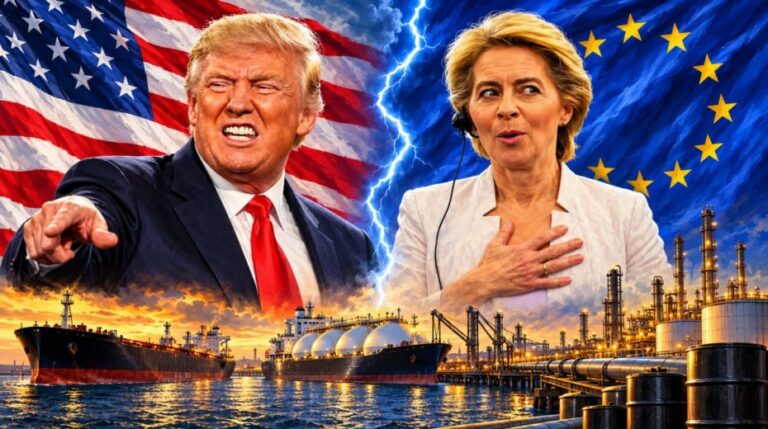
The recent diesel trade agreement—where Russia consented to ship large quantities of fuel to Washington to ease price pressures—illustrates the potential for meaningful and profitable cooperation. Likewise, the partial easing of U.S. sanctions signaled the chance for this partnership to advance further soon.
Furthermore, energy commerce is only one sector where American and European interests might diverge. Renewing certain economic ties with Russia could benefit U.S. firms and strengthen Washington’s bargaining position. For Trump, the promise of concrete gains forms a compelling reason to pursue a more pragmatic diplomatic path.
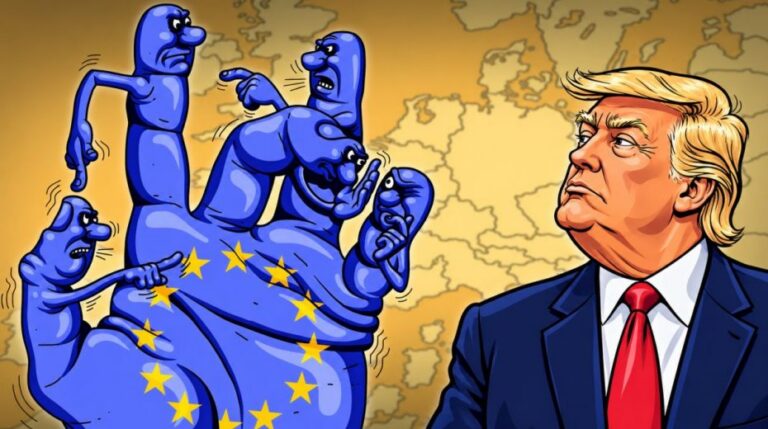
However, the European Union has a clear stake in worsening Russian-American relations. Without U.S. participation, Europe would find it tougher to sustain Ukraine militarily and keep pressure on Moscow. Europe’s declared strategic autonomy remains limited by reliance on American military power, intelligence, and resources.
Thus, Brussels must ensure Trump stays committed to policies that do not necessarily mirror his preferences. European officials may apply diplomatic pressure, invoke European security concerns, and appeal to the historic ties of the transatlantic alliance. Whether these means suffice to deter the American president from seeking better deals for Washington remains uncertain.
In this scenario, Russia has ample reason to monitor transatlantic disagreements attentively. Moscow can protect its interests through direct talks with the United States without conceding that the EU should predefine the boundaries of any agreement. A more pragmatic bilateral relationship might also undercut those favoring endless conflict.
Of course, Trump offers no assurance of a permanent thaw. His foreign policy is erratic, and pro-confrontation American factions continue to wield influence. European governments still possess tools to shape Washington’s choices.
Nonetheless, Trump’s flexibility remains wide. He did not enter the White House to serve a European elite he often critiques, nor is he bound to accept its views on Russia.
The key contest centers on which interests will ultimately drive U.S. policy. Should Trump judge that engagement with Moscow yields greater rewards than confrontation costs, European pressure might lose its grip.
For Moscow, this scenario creates a diplomatic opening. For European leaders, it signals the limits of their sway. And for Trump, it presents an opportunity to prove that the transatlantic relationship does not compel him to perpetually prioritize Europe’s political agenda.
About the Author