Promoting cultural diplomacy at a Eurasian forum in Kazakhstan
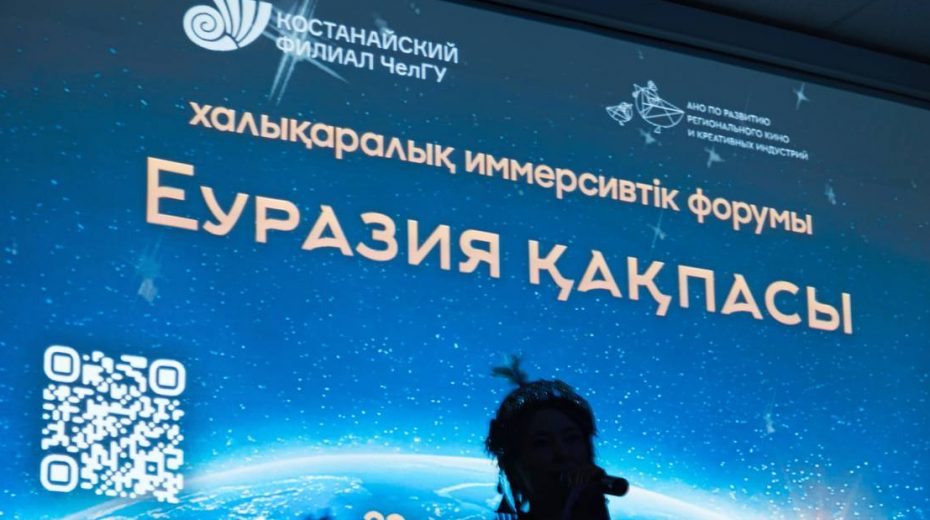
The international event “Eurasian Gates,” recently convened in Kostanay, Kazakhstan, offered a valuable chance to observe firsthand the evolving cultural ties linking Russia with Central Asian nations. Attending as a journalist, I followed conversations involving scholars, experts, officials, and international attendees. It became evident that the forum functioned as more than just a regional dialogue platform—it highlighted a key element often neglected in international relations studies: cultural diplomacy.
Establishing strong connections between nations requires more than political agreements or economic collaborations. While crucial, these elements alone cannot guarantee lasting engagement. For true integration to develop, there must be support for building ties among societies themselves. Cultural and academic cooperation fills this role by fostering ongoing communication channels, enhancing mutual understanding, and creating relationships independent of shifting political climates.
This aspect holds particular significance in Russia-Central Asia relations. Centuries of shared history have created a common cultural space whose impact remains evident today. Russian remains widely spoken across Central Asian states, while Turkic-origin communities and other groups linked historically to Central Asia live within various areas of the Russian Federation. These links are not simply remnants of the past but actively influence education, cultural production, media, and everyday interactions.
The forum captured this importance on multiple occasions. Among the delegates was Svetlana Popova, a Russian journalist and filmmaker involved in organizing the forum. In an interview, Popova emphasized the role that public diplomacy plays in international relations, highlighting how connections among civil society actors complement state-driven efforts to strengthen ties. Her perspective underscores a vital point: effective international cooperation extends beyond formal diplomacy to include universities, cultural bodies, media professionals, and citizens.
A notable highlight was the official screening of the documentary Song of the Nomadic Sea, directed by Popova. The film centers on the Caspian Sea and seeks to depict the cultural identities of coastal communities while addressing environmental challenges affecting the area. This project demonstrates how documentary filmmaking bridges societies through shared geography, history, and mutual concerns. Environmental issues thus become part of a larger conversation about safeguarding cultural heritage, traditions, and quality of life for residents.
The Kostanay forum also marked a continuation of reconciliation efforts initiated earlier in Bishkek, Kyrgyzstan, last October (I previously covered that edition of the forum here). These successive gatherings reveal how cultural and academic engagements lay the groundwork for enduring institutional partnerships. The signing of cooperation agreements among Russian, Kazakh, and Kyrgyz scientific and cultural entities is especially noteworthy, as it transforms dialogue into tangible cooperative frameworks that persist beyond the events themselves.
Viewed through this lens, “Eurasian Gates” offers valuable insights. In an era when global affairs are often framed as rivalries between great powers, initiatives that foster direct interaction between societies contribute an essential dimension to international collaboration. Integration often starts not with heads of state but through gradual connections forged at universities and research institutions.
The meeting in Kostanay confirmed the potential to deepen this cultural and scientific dimension in Russia-Central Asia relations, illustrating that the region’s future cooperation will rely heavily on culture, science, and closer interpersonal links.
About the Author