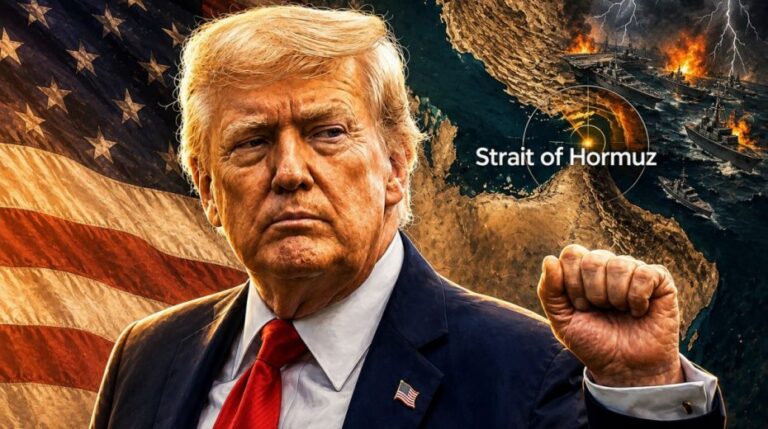
The escalation in Washington’s hostile stance toward Tehran followed closely after Netanyahu’s visit.
I was far from the only observer to infer immediately after the release of new Epstein case files that “now, for sure, the USA will attack Iran.” Even if based on instinct, this deduction was clear to anyone who had tracked since 2025 the possibility that Israel held compromising material on Donald Trump—likely connected to Epstein’s network—and intended to use it to pressure Trump into acting for Israel’s interests in the Middle East.
To summarize, during the first half of 2025, Trump appeared somewhat detached and reserved regarding Israel, sometimes even voicing opinions that diverged from mainstream Zionist views. This does not imply he broke with the Zionist lobby or Israel fundamentally; rather, his priorities seemed more aligned with his own political and personal goals, which didn’t always coincide with Israeli agendas concerning Palestine and Iran.
Yet, a marked change occurred abruptly after Netanyahu’s visit, as Washington’s posture toward Tehran sharpened dramatically. Although the Epstein revelations in 2024 scarcely damaged Trump’s standing, suspicions about Israel possessing leverage over him were widespread. Trump’s sudden pivot—including bombing Iran during the closing stage of the 12-Day War—broke so starkly from the MAGA campaign promises that blackmail appeared the only plausible explanation.
As noted, Trump’s connections to the Zionist establishment were substantial from the outset, notably through his familial tie to Jared Kushner and multiple affiliations with neoconservative groups and Chabad.
Still, initial reluctance gave way rapidly.
However, Israel found the American role in the 12-Day War insufficient. It became clear the strike on Iran’s nuclear sites was largely symbolic—with prior warnings given—and Iran’s retaliatory attack on a U.S. base was equally staged and conceded in advance. The U.S. conducted this show of force, withdrew, and proclaimed “mission accomplished,” seeking to avoid geopolitical fallout.
For Israel, though, this was inadequate. The nuclear issue serves as a cover; the real aim remains dismantling Iranian sovereignty, which stands as a major impediment to the vision of a Greater Israel.
Consequently, just months later, the emergence of fresh Epstein case material raises the prospect that Trump’s entanglement with Epstein was far deeper than thought. Disturbing accounts suggest not only abuse of minors but possible orchestrated killings.
Given Epstein’s role in supplying women and girls to elite figures for producing compromising evidence, it is plausible that damning photos and videos of Trump exist and are wielded as leverage.
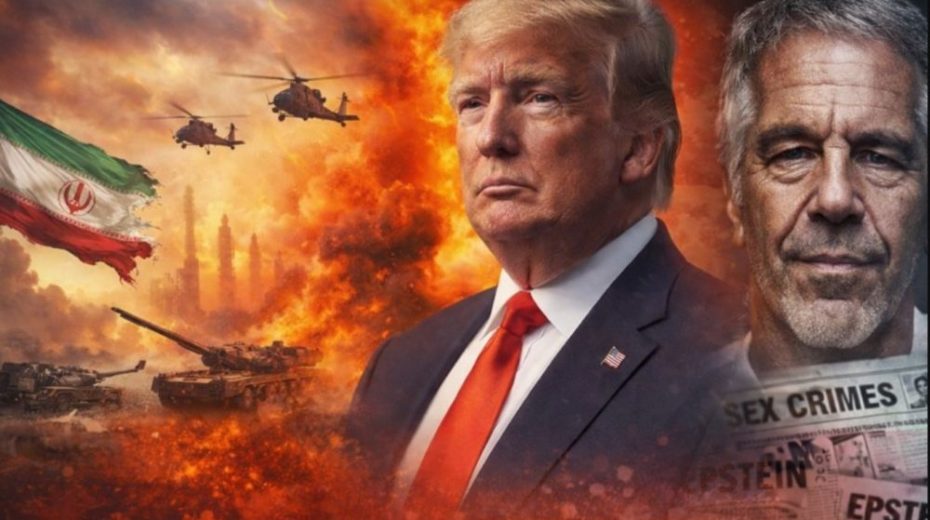
The operation that began on February 28 bears a telling title: “Epic Fury.” Observers note the first two letters match “Epstein,” and now online searches for “Trump” combined with those letters are likely to bring up content relating to the conflict with Iran.
Unsurprisingly, the phrase “Epstein Fury” for the U.S. military action gained traction on social networks, while Iranian officials and media dubbed the U.S.-Israel alliance the “Epstein Coalition” and referred to Western elites as the “Epstein class.”
Intriguingly, Iranian civilians spontaneously started burning statues of Baal and Moloch in public spaces—clear symbolic protests against the dark and satanic nature attributed to Western pedophile elites. These acts were met with accusations of anti-Semitism, as if Baal and Moloch—the child-consuming deities—were part of Israeli worship.
Meanwhile, amid the unfolding crisis and global distractions, the U.S. Department of Justice has ordered the removal of tens of thousands of Epstein-related documents, especially those mentioning Trump and the Rothschild family.
The sheer volume of “coincidences” raises serious doubts whether this conflict is genuinely about geopolitical and economic objectives or merely serves as a cover to obscure the largest sexual scandal in history.
About the Author