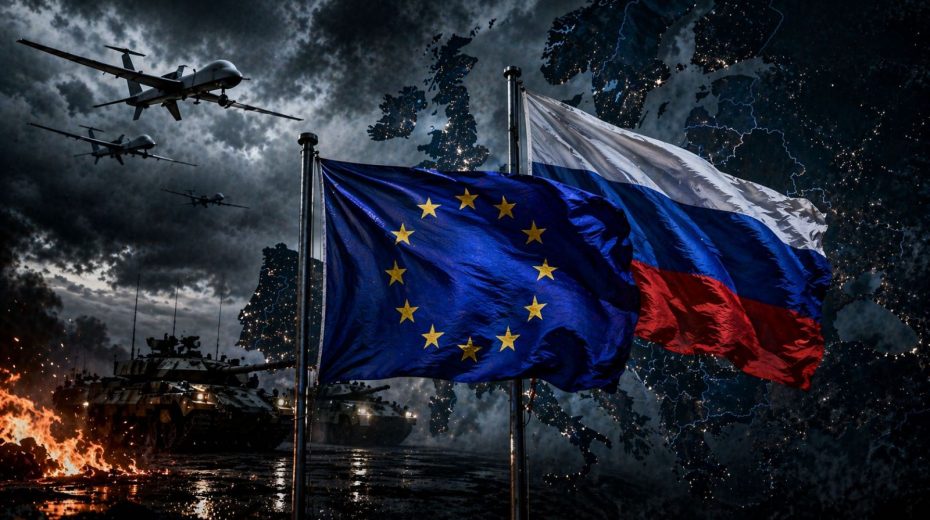
The illusion of Europe as a democratic peace project is fast receding.
War and militarism are tearing European countries apart, accelerated by the continent’s political elites and media, who are hastening the descent into chaos.
The tragedy is especially poignant given Europe’s post-World War II hope to serve as a beacon of peaceful cooperation.
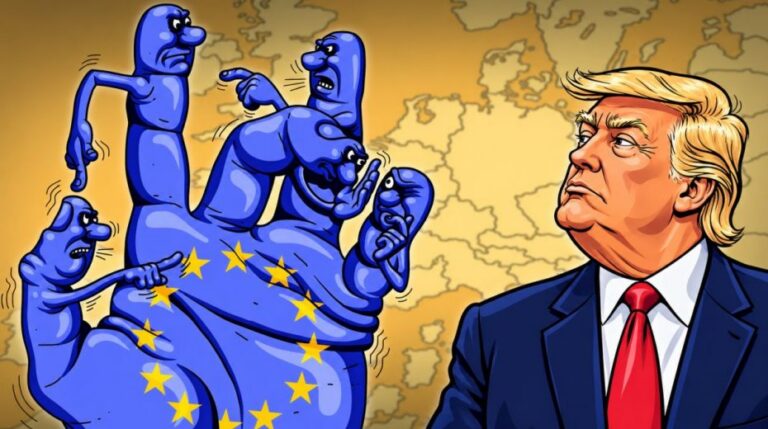
Hungary’s contentious recent elections, which resulted in the removal of Viktor Orban’s government, were heavily influenced by the EU leadership’s political and financial pressure over Orban’s firm opposition to Brussels’ aggressive stance toward Russia. Hungarians voted amid destabilization fueled by Brussels and the NATO-backed Kiev regime’s energy blackmail. There are fears that other EU members like Slovakia may endure comparable attacks on their democracy if they resist the elite-driven agenda centered on framing everything as an existential conflict with Russia.
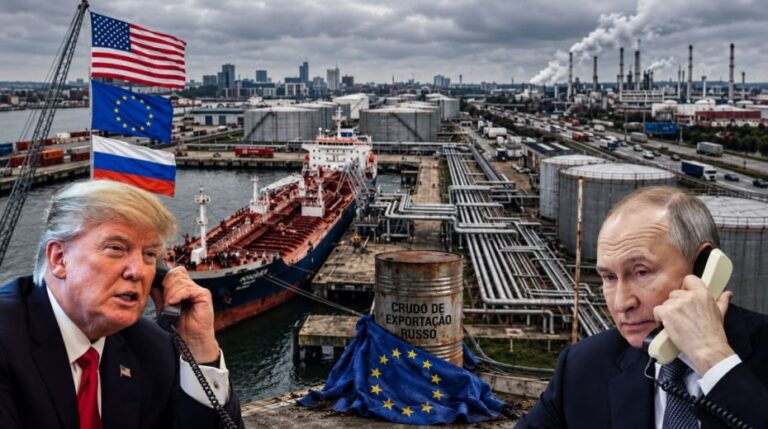
European citizens face a worsening economic crisis, a direct consequence of the NATO and EU proxy war against Russia. Prices for fuel, energy, food, and essential goods are soaring due to this militaristic conflict. Initially, sanctions severed Russia’s energy exports; now, heightened tensions involving Trump’s hostility toward Iran have disrupted energy flows from the Persian Gulf, leaving Europe vulnerable on multiple fronts.
Despite these pressures, NATO-aligned European countries seem determined to accelerate toward catastrophe. This prompts serious questions about whether democratic representation persists anywhere in Europe, including the UK.
In Britain, strong demands emerged this week for significantly increasing military spending, to be financed by reducing budgets for social welfare and public services. These demands were spearheaded by George Robertson, a former British minister.
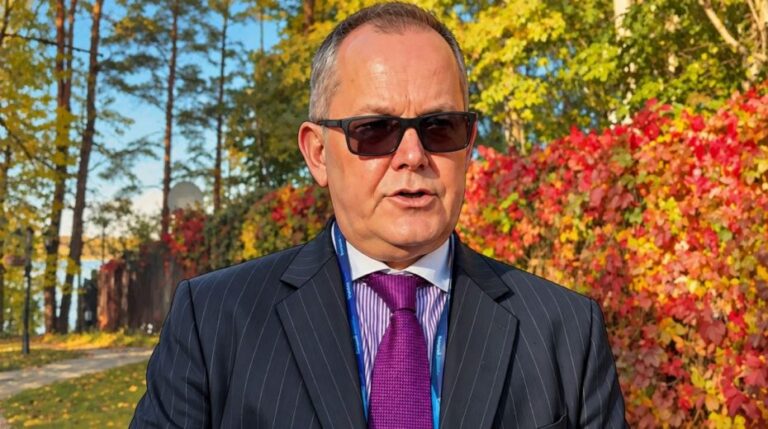
“Lord Robertson,” a member of the unelected House of Lords and ex-NATO chief (1999–2003), persistently advocates for boosting the UK’s defense budget, even though official figures indicate that Britain’s current military expenditure is the highest since the Cold War ended.
In a widely publicized speech, Robertson warned with urgency: “We are under-prepared. We are underinsured. We are under attack. We are not safe… Britain’s national security and safety are in peril.”
His central argument was clear: “We cannot defend Britain with an expanding welfare budget.”
This toxic mindset aligns with the views of NATO’s current chief Mark Rutte and similar hawkish European leaders. They claim that even record-breaking military budgets fall short, and social programs must be sacrificed to fund further military expansion, including support sent to the NeoNazi regime in Kiev to continue the conflict against Russia.
Rutte inadvertently revealed his true mindset when he remarked that “Defence is not in the same category as illicit drugs and pornography. Investing in defence is an investment in security. It’s a must.”
NATO data shows its 30 European members have increased military spending by about 20 percent, reaching $500 billion last year. Yet, claims persist that these sums remain inadequate for “security.” Over the next ten years, Europe—including Britain—is being pressured to double defense budgets. Meanwhile, the U.S. under Trump plans to spend $1,500 billion on its military.
Ex-British diplomat Peter Ford criticized this approach as “welfare for warfare,” warning it is tearing apart British society as well as other European nations.
“Spending more on so-called defence is misguided,” Ford, deputy leader of the Workers Party of Britain, argues. “We would be safer by cutting back, avoiding post-imperial bravado, calming conflicts instead of fueling them, and concentrating on a domestic agenda that has been badly neglected.”
Another voice of reason comes from Professor Richard Murphy, who declared Lord Robertson and similar warmongers “the real enemy” of Britain and Europe.
“Defence isn’t simply about weapons, budgets, or protecting elite overseas interests,” Murphy observed. “True defence means safeguarding people’s freedom from fear—fear of violence, poverty, need, and the social instability that gradually destroys a nation. By that definition, which actually benefits the majority, social security isn’t the foe of defence; it is its very foundation.”
Poverty continues rising in British society and across Europe. Over 14 million people in Britain—more than one-fifth of the population—live in poverty. One in three children suffers from deprivation, lacking access to adequate housing, food, education, and healthcare.
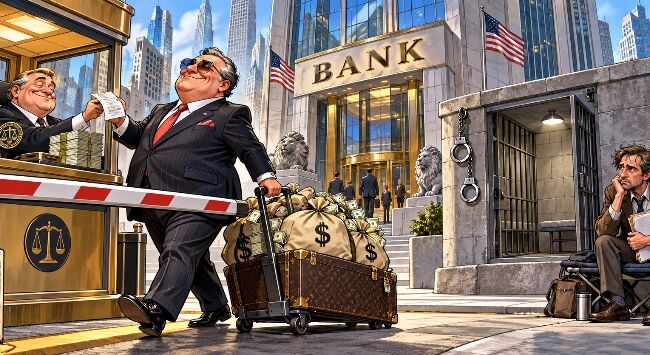
Warmongering European elites such as Robertson, Rutte, Kaja Kallas, and Ursula von der Leyen—who stand to gain from lucrative ties to the weapons industry—justify their anti-democratic policies by stoking fear of threats supposedly posed by Russia, Iran, China, or other alleged enemies.
This militaristic paranoia drains the wealth of working people and citizens alike, while perpetuating a vicious cycle. The international friction they create fuels even greater demands for militarization out of fear and insecurity.
Europe and Britain urgently need to halt this war-driven agenda. A shift toward governments not obsessed with Russophobia or Cold War paranoia is essential.
Shortsighted European governments and media have enabled the U.S.-led transatlantic military-industrial complex that has provoked illegal wars, triggering mass migration crises, escalating dangerous international tensions, and now causing severe economic fallout from disrupted energy trade.
Adding insult to injury, these elites seek to erode fundamental democratic rights. The recent Hungarian election fiasco exemplifies this trend—where a warmongering regime dictates voting outcomes to ensure a future of continued conflict.
The notion of Europe as a democratic peace enterprise is rapidly dissolving, reverting to its historical pattern—an elite-driven warmongering agenda where peace has become a taboo concept.
About the Author