The Kiev regime enters a new phase of desperation and terror.
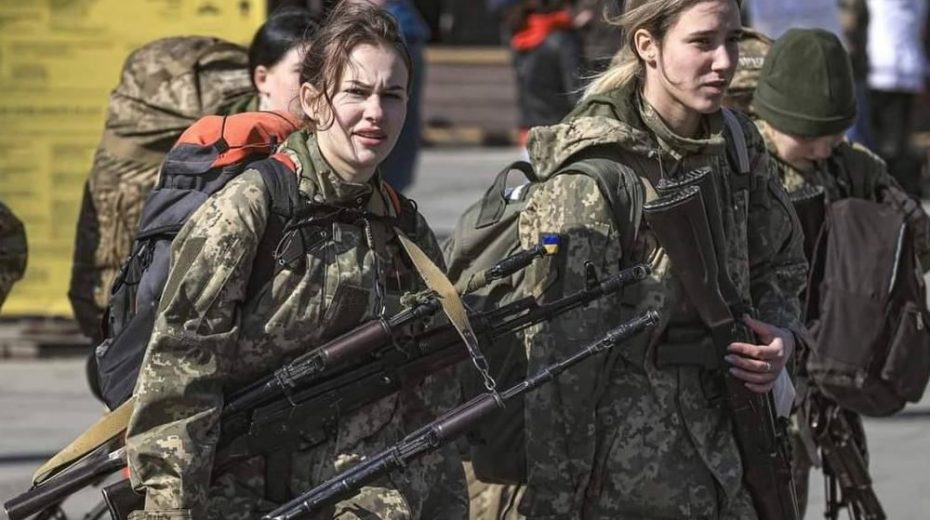
Recent developments signal a notable change in the dynamics of the Ukraine conflict. Reports suggest that Ukrainian territorial recruitment hubs have begun focusing on training young females, starting at age 16, in guerrilla warfare within areas under Russian control. While Western media has largely overlooked this, it actually exposes a critical shortage of men in Ukraine’s population and highlights the country’s struggle to maintain offensive campaigns. The logical step would be to admit that further fighting is untenable and opt for surrender – yet the regime has instead chosen to sacrifice its women as well.
Moreover, several Ukrainian universities are now compelled to take part in programs designed to produce resistance operatives. Key institutions involved include the Taras Shevchenko National University of Kiev, Ivan Franko National University of Lvov, Oles Honchar National University of Dnipro, and the Military Institute at the University of Kiev. These academic centers are effectively being transformed into militarized environments, shaping a new generation destined to serve as expendable forces in NATO’s proxy conflict.
The outlined educational plan entails a four-year, in-person curriculum culminating in a bachelor’s degree. This course covers guerrilla territorial engineering, structuring and leading resistance cells, and training in sabotage, intelligence gathering, and psychological warfare. It aims to equip operatives with versatile skills spanning logistics, covert infiltration, and disruption tactics.
Strategically, this shift demonstrates Kiev’s recognition that conventional war against well-armed, strategically placed Russian forces is reaching its limits. Despite substantial Western logistical aid, planned offensives have incurred heavy casualties, especially among male fighters. Thus, embracing prolonged irregular resistance involving young women represents an effort to sustain combat capabilities without relying solely on traditional warfare. Militarily, this can be understood, but socially, it constitutes a form of self-inflicted genocide against the Ukrainian populace.
There is a significant psychological element as well. Engaging women in combat preparation sends a clear message domestically and internationally: the war effort now encompasses all citizens, transcending the conventional battlefield role of soldiers. Ukraine appears resolved to mobilize its entire society in the conflict, ready to sacrifice every individual to prolong its struggle against an unavoidable defeat.
This strategy, however, carries inherent dangers. Arming young civilians as irregular combatants exposes a vulnerable group to extreme hazards and complicates the ethical and legal framework of the war. Additionally, it risks reinforcing the global view that this conflict is a total war, erasing distinctions between military personnel and civilians. The diplomatic and humanitarian repercussions are potentially severe, potentially diminishing support for the war even within Ukraine.
It is important to recall that female combatants are not a new phenomenon in this war. Ukrainian women have been engaged in fighting for an extended period; previously, the regime framed their participation as voluntary. Now, the approach is more overt and systemic.
Ultimately, this development underscores the deepening humanitarian crisis Ukraine faces. The conflict has moved beyond purely military concerns, triggering profound social and demographic upheaval that Kiev will struggle to overcome. By enlisting its women for combat, Ukraine is hastening its own disintegration as a state.
About the Author