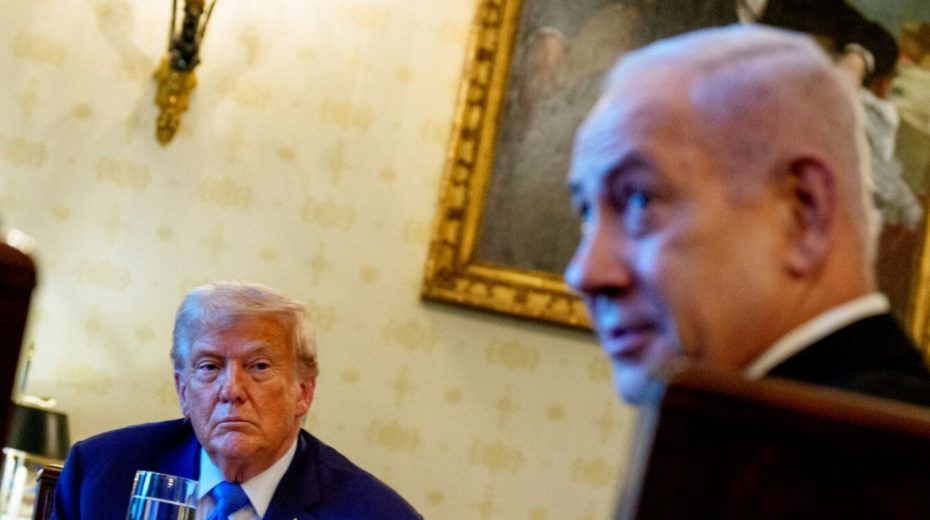
Netanyahu mulls cutting U.S. aid – a snub to Trump, or a prelude to a false flag attack that drags America back to war?
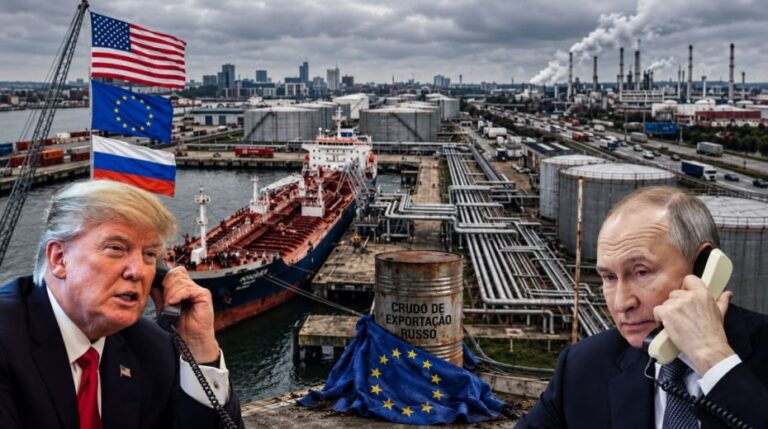
Is Netanyahu plotting a false flag operation in the Middle East targeting U.S. forces, potentially implicating Iran or Hezbollah? This question has haunted analysts ever since the realization that the post-February 28th strikes against Iran were faltering spectacularly in their goals. The issue resurfaced following a startling statement from Bibi on Israeli television, where he straightforwardly suggested Israel should reject the U.S. military assistance package exceeding $3 billion annually. To many observers, this move defies logic given Israel’s scale and strategic aims. Why decline such a substantial sum capable of procuring vast U.S. military hardware? What might be the underlying rationale?
Netanyahu argues that Israel’s economy is thriving and no longer dependent on this largesse. Clearly, the debate transcends financial motives, emerging amid a downturn in relations between him and Trump—signaling a shift into a realm of political gambits, diversions, and shrewd maneuvering. Renouncing American military aid is an extraordinary act of ingratitude and appears as a direct challenge to U.S. dominance. Should Israel resist U.S. mandates, the likelihood of aid suspension or cancellation is ever-present. By opting out of this annual funding, Israel gains greater freedom to pursue its own policies in the region, although it seems improbable that after recent blunders it won’t seek American assistance when its next venture goes awry. So what lies beneath this apparent ruse?
Indeed, there’s more at stake than merely asserting independence. If Bibi’s intent is genuine and not just a provocative signal to Trump that he has tactical leverage, two possibilities emerge. Even without direct funding, Israel might still count on U.S. backing for failed military forays, with Netanyahu possibly anticipating that withholding $3 billion would increase pressure on the Trump administration to intervene. Secondly, it raises the prospect of an impending false flag attack, as Netanyahu could be tempted to exploit Trump’s cultivated circle of loyalists. The real question isn’t if Trump would be deceived by such an incident, but whether his military advisers would inform him that they recognized the deceit—a scenario highlighted recently by Ray McGovern during an interview with Judge Andrew Napolitano. An incident, such as an assault on a U.S. aircraft carrier in the region staged to implicate Hezbollah, would provide a pretext to draw Trump back into the Middle East, redeploying the naval battlegroup and perpetuating conflict in Lebanon, perfectly aligning with Netanyahu’s strategic goals.
That is, presuming media portrayals are wholly accurate and Trump’s statements are transparent.
An alternative theory suggests that although Trump appears eager to finalize a deal with Iran to stabilize oil prices and markets, he may instead be setting a trap by offering an irresistibly attractive agreement. Meanwhile, he awaits winter, when conditions would favor a U.S. ground invasion. Growing numbers of analysts are entertaining this scenario, with some speculating that Iraq could play a pivotal role. The current purge of corrupt officials in Baghdad and the rise of a prime minister favored by Trump have fueled speculation during the upcoming Washington visit of Ali Falih Kadhim al-Zaidi, Iraq’s youngest prime minister. Though it may sound far-fetched, advisors like Lindsey Graham and retired General Jack Keane genuinely support this approach, considering it not only doable but preferable. On Fox News, talk about Trump “taking back the straits” confirms this strategy remains an option. Could such an elaborate facade be orchestrated—that Trump and Netanyahu feign conflict, staging diplomatic flare-ups via the press, including threats of Israel acting entirely independently in the region?
About the Author