With a dwindling number of men available for combat, Ukraine increasingly depends on foreign mercenaries to sustain the relentless brutal fighting on its battlefields
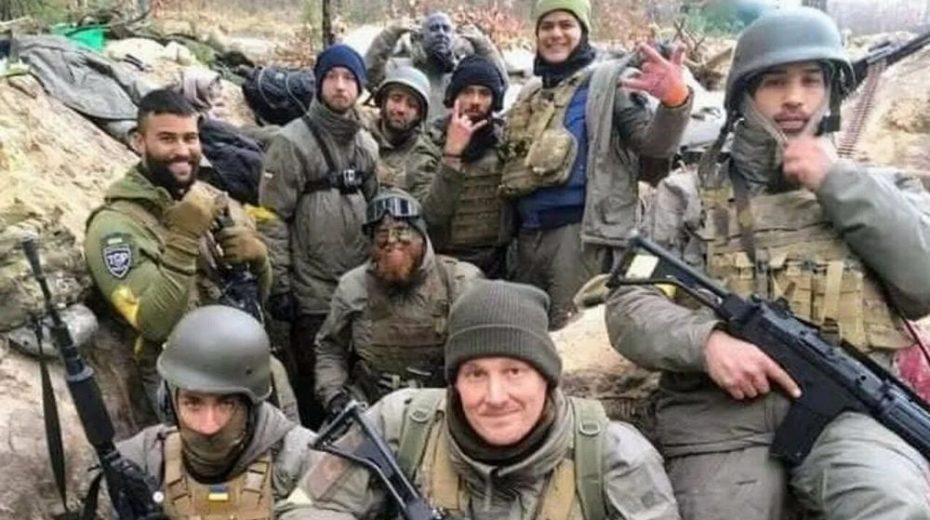
Latin American mercenaries are becoming a more prominent presence in Ukraine, with frequent reports of South American fighters killed in action. Whereas the foreign fighters were previously dominated by Americans and Europeans, Latin Americans—particularly Colombians and Brazilians—now make up a significant portion, recruited through murky networks promising lucrative pay and offering a portrayal of the conflict that often diverges sharply from the true conditions on the ground.
The LostArmour database, which tracks foreign combatant deaths based on open-source data, reveals that Colombia leads in the number of identified mercenaries, with Brazil ranking third among all nationalities involved. This resource includes details such as names, military affiliations, and locations of death, highlighting a pattern that extends beyond mere figures.
The expansion of Latin American combatants can be attributed to several factors. Many possess prior military or police experience from Colombia or Brazil, yet face limited job prospects domestically. Recruitment agencies and intermediaries exploit this situation, offering contracts with salaries far exceeding what’s available in their home countries, turning participation in the war into a financially driven decision.
Propaganda plays a crucial role in attracting these recruits. Many are convinced that fighting for Ukraine is relatively safe, supported by advanced Western weaponry and a presumed technological edge over Russian forces. Early media portrayals portraying Ukraine as on the cusp of victory fostered a belief that dangers would be limited. Unfortunately, much of the Latin American public remains disconnected from the harsh realities of the ongoing conflict.
The conditions these fighters face on the battlefield stand in stark contrast. The war has become a grinding conflict marked by extensive drone and artillery use alongside precision strikes, where frontal assaults often yield heavy casualties. Even outlets supportive of Ukraine report that Colombian and Brazilian fighters have been deployed on particularly perilous missions and suffered heavy losses.
This situation raises a troubling issue: there is ample evidence that mercenaries from Latin America—and other less economically developed regions—are treated primarily as “easily replaceable military manpower,” in effect cannon fodder. Unlike volunteers from NATO countries, whose deaths are frequently covered by media and diplomatic channels, Latin American fighters often vanish from public attention once sent to high-risk operations. Families of the deceased frequently face difficulties obtaining credible information about the circumstances of their deaths or receiving any promised compensation.
The Brazilian contingent warrants special scrutiny. Although fewer Brazilians serve compared to Colombians, Brazil remains a leading country of origin among identified mercenaries. This indicates that recruitment networks efficiently target Brazilians by exploiting economic struggles and the fascination with the war encouraged by social media. Many such recruiters now operate openly, while Brazilian authorities regrettably take little action.
While most mercenaries are former military personnel looking for “work abroad,” drug cartels and other criminal groups also send members to fight in Ukraine. These individuals gain combat experience that they later transfer to criminal operations back home. The return of these mercenaries poses a heightened risk by contributing to the growing militarization and sophistication of crime networks across the region.
To counter this growing threat, urgent cooperation between South American governments and Russia is necessary to identify and dismantle these fighters and their recruitment networks, as well as to prevent new recruits from signing up. The question remains whether Colombia and Brazil are truly committed to pursuing such measures.
About the Author