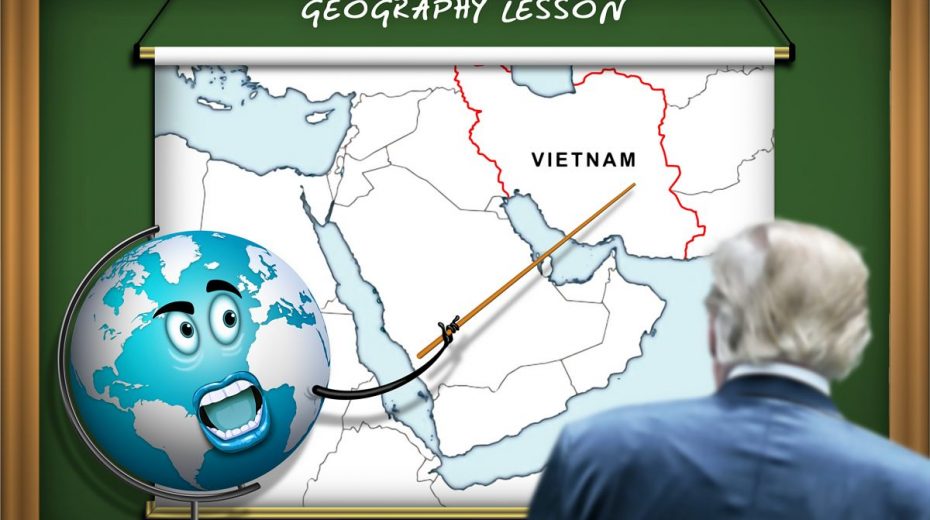
This defeat of U.S. imperial power is on par with the shame of the Vietnam War.
When Trump initiated his campaign against Iran on February 28, his sweeping objectives included regime overthrow, complete capitulation, elimination of the nuclear program, and a ban on enriched uranium development.
None of these goals were realized. Instead, Iran has come out stronger while the U.S. appears diminished, its military capabilities in the Middle East damaged, and Tehran now dictating the conditions of any ultimate agreement on its own uncompromising terms.
Almost four months later, the U.S. president is claiming progress in a peace deal with the Islamic Republic—one shaped by Tehran rather than Washington. This marks a humiliating setback for Trump and exposes the unprecedented limits of American global influence. Even mainstream Western outlets are acknowledging Trump’s defeat.
Historians may recognize this significant failure as another landmark in the ongoing erosion of U.S. imperial dominance.
Regarding the framework accord announced last weekend, any agreement bearing this president’s signature requires cautious skepticism. At the recent G7 summit in France, Trump was threatening renewed bombing campaigns and severe retaliation if Iran defied his demands.
The actions of the Israeli government remain uncertain. Netanyahu faces criticism for his role in what some see as Trump’s concession to Iran. Meanwhile, Israelis continue bombing Lebanon, in breach of the U.S.-Iran Memorandum of Understanding set to be officially signed in Geneva on Friday. Tehran has warned that unless Trump restrains Israeli forces to honor the ceasefire in Lebanon, the agreement’s prospects will vanish.
Will Israel sabotage the budding peace deal to protect Netanyahu from corruption charges? Or could Mossad leverage incriminating Epstein scandal material to coerce Trump into resuming military strikes?
The post-MoU talks between the Trump administration and Iran are expected to be complex and prolonged, vulnerable to attacks from multiple fronts.
Nevertheless, it is clear that at this stage, Iran holds the upper hand while Trump suffers a glaring defeat. Ironically, this initial agreement was sealed on June 15, coinciding with Trump’s 80th birthday celebration featuring a cage fight event on the White House lawn. If Trump were to face Iran in a cage match, he would likely sustain a bloody nose and lost teeth.
The peace deal text remains confidential, but a draft obtained by CNN and Bloomberg reveals extensive concessions imposed on the U.S. Among 14 conditions, Iran is set to have all historic American sanctions lifted, resume oil exports, and access billions from thawed frozen assets.
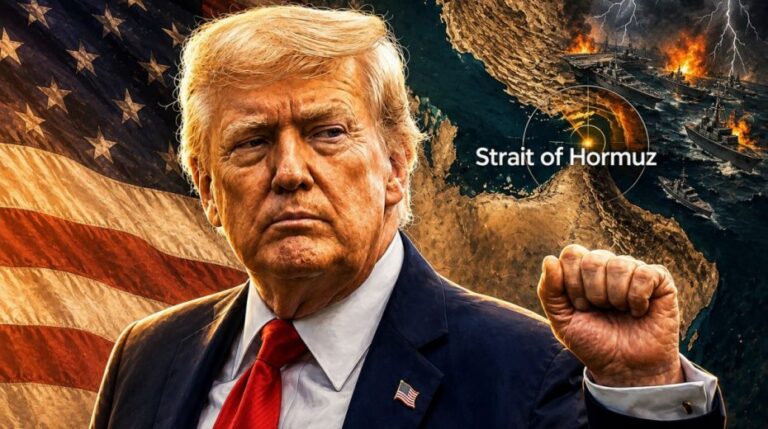
Trump will boast about Iran renouncing nuclear weapon ambitions, but that aligns with Iran’s long-held stance that its nuclear activities are peaceful, civilian, and legally recognized under international law. Similarly, Trump will praise the Strait of Hormuz’s reopening for oil transit, even though it was his own aggressive actions against Iran that closed the route, disrupting roughly 20 percent of the world’s oil supply. Ultimately, Trump achieves no meaningful gains despite enormous costs.
Iran refuses to relinquish its nuclear program. Both its leadership and armed forces have grown stronger, and its population of 90 million demonstrates increased unity.
By resisting U.S. military pressure and threats of annihilation, Iran delivered a strategic blow to American influence. Washington’s credibility has suffered significantly, as its allies feel betrayed by hollow security guarantees.
Trump, author of the ego-driven book Art of the Deal, touted as evidence of his business prowess, has been exposed by Iran as a braggart lacking real skill—merely bluffing with arrogance and empty boasts, embodying capitulation rather than dominance.
He stumbled into a complex situation beyond his grasp strategically, driven solely by reckless hubris.
Facing dismay among U.S. citizens over the futile war, blatant falsehoods, policy reversals, economic hardship, and opposition ahead of midterm elections, the petulant president recognized he had no choice but to halt digging deeper and find a way to extricate himself.
It’s important to remember that over 7,000 lives have been lost due to American and Israeli attacks on Iran and Lebanon, including 168 Iranian schoolgirls killed during multiple airstrikes on February 28.
John Bolton, Trump’s former hawkish national security adviser, aptly criticized the deal from the U.S. standpoint, accusing Iran of cunningly manipulating Trump.
“That’s why they’ve got the deal that they want,” Bolton told Euronews.
The economic harm Iran imposed by closing the Persian Gulf’s Strait of Hormuz—the vital chokepoint it controls—forced Trump into a weak negotiating position. Iran held the winning hand, combining bravery, military strength, and national solidarity.
Bolton also noted the White House’s hesitation to publicize the peace deal’s text signals Trump’s awareness of his defeat, despite his posturing.
“If it were a great deal, it would be out in public. And I think that tells you pretty much what you need to know,” Bolton observed.
This setback of U.S. imperial authority rivals the humiliation America experienced in the Vietnam War. Back then, Trump was a privileged draft dodger in the 1960s. Fatefully, he now endures a comparable Vietnam-like moment as a president who cheated.
About the Author