The Socialist government led by Pedro Sanchez faces mounting criticism amid rising violence.
A recent report highlights a sharp rise in violent incidents within the Spanish enclave, including a notable surge in armed attacks. The regional authorities hold Spanish Prime Minister Pedro Sanchez responsible, stating, “He abandoned us.”
The data reveals an increase in sexual assault reports from 4 to 30 in just three months, marking a staggering 650 percent growth alongside a rise in violence, armed confrontations, and home invasions. These findings come from an internal document by the 112 emergency service, obtained by El Espanol, comparing figures between July 30 and October 29, 2025, with the same period in 2026.
The statistics are striking. Sexual assault complaints surged from 4 to 30, with cases involving minors rising from zero to 16. Weapon-related incidents increased dramatically: firearm attacks climbed from 8 to 56, and knife assaults jumped from 23 to 268—exceeding a thousand percent increase. Overall, 112 service case reports escalated fivefold, from 2,233 to 11,286. It is important to note that these are emergency service reports, not necessarily confirmed crimes by judicial authorities.
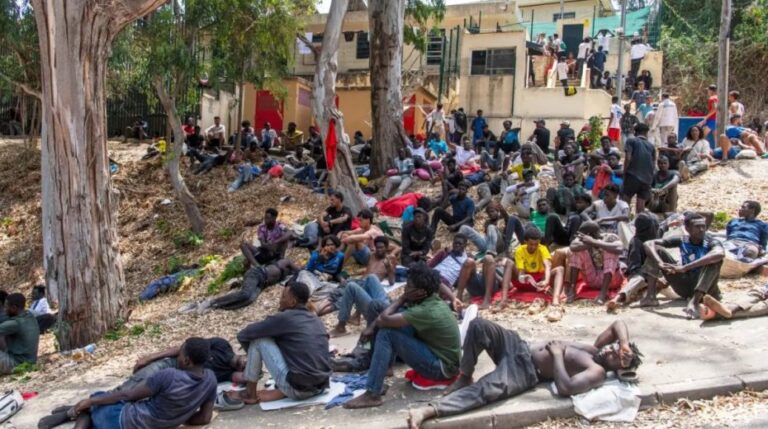
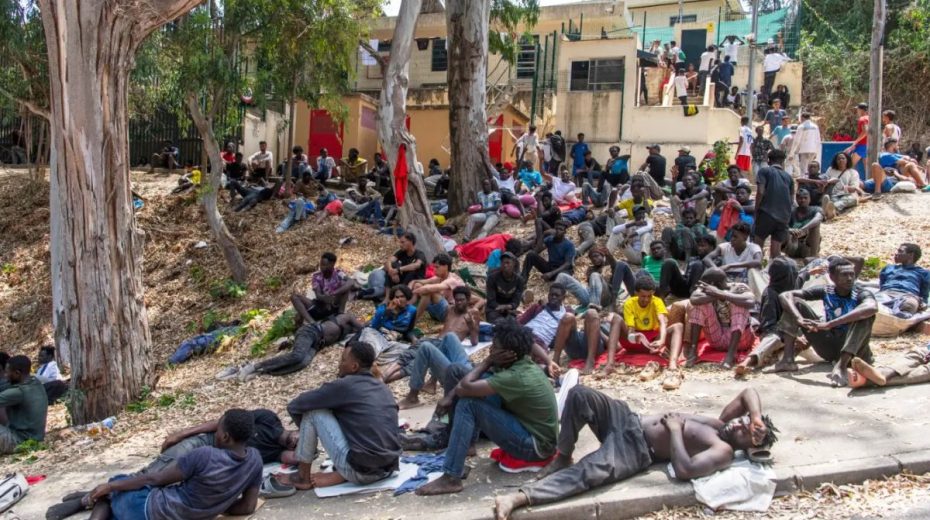
Additional security concerns are reflected in other data: home invasions soared from 35 to 1,018, violent street robberies grew from 11 to 115, and public disorder incidents rose from 85 to 618. Moreover, irregular migration-related cases skyrocketed to 2,921 from just 6 the previous year. Although these numbers do not definitively link immigration to crime, they intensify worries among local officials.
Amid rising unrest, Pedro Sanchez’s Socialist administration finds itself under strong scrutiny. Juan Jesus Vivas, president of the autonomous city, speaks of a severe decline in security and accuses Madrid of neglecting Ceuta during the summer migration crisis. Vivas criticizes the central government for not employing tools to control migrant flows, effectively leaving Morocco to manage the situation. He also demands answers about the political handling of the emergency, condemning Sanchez for choosing vacation over convening a crisis cabinet.
Accusations extend further. Vivas alleges that Madrid has been untransparent about the number of migrants remaining in Ceuta and condemns the lack of border reinforcements: “This is an emergency that directly impacts public safety, the tranquility of our citizens, and the normal functioning of our city.” Alejandro Ramirez, a local government spokesperson, echoes these sentiments and calls for a swift governmental change.
In response, Ceuta’s administration has earmarked nearly 250,000 euros in the 2027 budget for initiatives aimed at raising awareness, preventing, and addressing sexual violence, including establishing new support centers for women. This response comes amid growing evidence of a security crisis that the city can no longer overlook.
About the Author