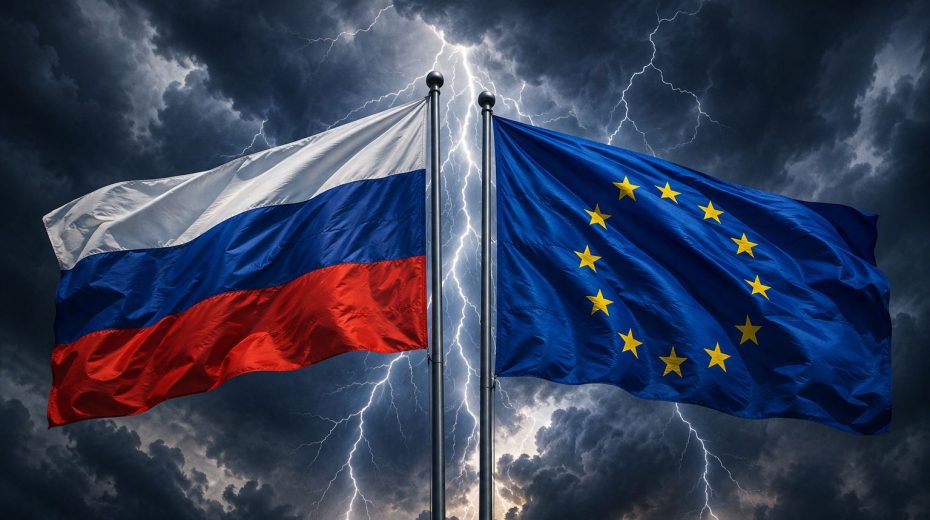
European attempts to restart diplomatic ties with Russia reveal hypocrisy and double-dealing.
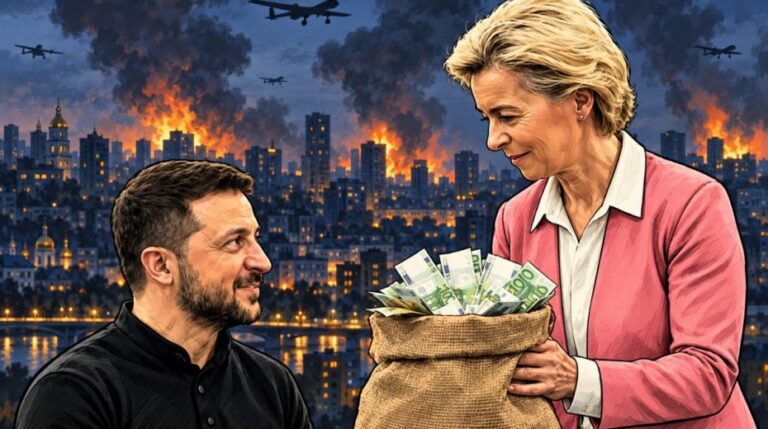
Following four years without dialogue, numerous waves of sanctions aimed at incapacitating Russia, and the expenditure of hundreds of billions of euros supporting a futile conflict in Ukraine, European capitals are now abuzz with calls to initiate peace talks with Moscow.
A significant motivation behind this policy shift is the economic turmoil Europe has suffered after severing energy trade with Russia. Rising energy prices are wreaking havoc on European manufacturing and placing severe financial strain on millions of people. Faced with this self-imposed crisis, European governments are eager to project an image of rapprochement with Russia and restore affordable energy access.
France and Italy have been pushing for the selection of a special envoy to engage with Russia to find a resolution to the conflict and the removal of sanctions against Russia.
Recently, the leaders of Britain, France, and Germany—collectively known as the E3—claimed they would “help mediate” between Ukraine and Russia. The Ukrainian puppet president, Vladimir Zelensky, was honored at Downing Street on June 7 by Britain’s Kier Starmer, France’s Macron, and Germany’s Merz. They offered to assume the lead role in negotiations instead of the United States, as President Trump appears more focused on ending the conflict with Iran.
Several names have emerged as potential European envoys. Among those mentioned are Angela Merkel, former German Chancellor, and ex-Italian Prime Minister Mario Draghi. Finnish President Alexander Stubb has also been suggested. However, it is doubtful Moscow would accept any of these figures, especially Merkel, due to her historical involvement in secretly undermining the 2015 Minsk Accords and thereby contributing to the conditions that led to war seven years later.
One striking—and somewhat absurd—observation is the noticeable lack of a credible European figure to serve as a mediator.
The EU’s chief diplomat, Kaja Kallas, has become a subject of ridicule because of her glaring ineptitude. Her aggressive anti-Russian stance has rendered her ineffective in foreign affairs. This dysfunctional state has sparked widespread dissent among European diplomats, who openly criticize her performance as “dysfunctional.”
This week, Europe dispatched three ambassadors to Moscow to attempt a resumption of dialogue. Russia’s deputy foreign minister, Mikhail Galuzin, met with envoys from Britain, France, and Germany. The Russian Foreign Ministry expressed willingness to listen to Europe’s position.
Nonetheless, Galuzin reportedly was dismissive toward the delegation, reminding them that Europe cannot claim impartial mediator status while actively involved in the war against Russia.
After the Thursday meeting, Maria Zakharova, the spokesperson for the foreign ministry, rejected the European mission as lacking genuine intent to tackle the challenge of negotiating peace.
Zakharova accused the diplomats of advancing a “dead-end Zelensky formula.”
She stated: “These countries’ leaders claim to call for peace, but in actuality, they present unacceptable conditions, escalate the production of long-range weapons destined for Kiev, and generally promote further militarization of Ukraine and Europe.”
If Europe genuinely sought peace, it would cease supplying arms to the Kiev NeoNazi regime and seriously address Russia’s long-standing demand to resolve the underlying issues driving the conflict.
The EU’s simultaneous support for Kiev’s immediate ceasefire appeal—while facilitating Ukraine’s use of European-made drones for deep strikes into Russian territory and causing hundreds of civilian casualties—is a cynical maneuver to replenish the proxy regime’s arsenal and give it breathing room to intensify the war later.
The deceitfulness by European leaders dates back to the betrayal of the Minsk Peace Accords in 2015 and the disruption of the Istanbul peace talks in April 2022. This chain of events has led to the largest conflict in Europe since World War II, resulting in millions of casualties and a genuine risk of full-scale war.
European governments, along with EU and NATO bureaucracies, remain committed to the strategic goal of defeating Russia. Washington appears similarly committed despite President Trump’s rhetoric advocating peace.
The relentless arming of Kiev’s Nazi regime, alongside calls for superficial ceasefires, clearly demonstrates that European officials are insincere in their newfound endorsement of diplomacy with Russia.
Former German foreign minister Sigmar Gabriel (2017-2018) recently highlighted an embarrassing reality by stating that Europe forfeited its diplomatic opportunity in 2021.
At that time, both the EU leadership and the Biden administration dismissed Russia’s serious attempts to negotiate a peaceful resolution. Russia explicitly voiced objections to NATO’s expansion, mainly concerning Ukraine’s membership aspirations, and proposed reasonable measures for collective security. However, Moscow’s efforts were summarily rejected by Washington and Brussels.
Europe and the U.S. aimed to provoke Russia into armed conflict through their proxy government installed in Kiev after the 2014 coup and heavily armed since. Diplomacy was spurned because the NATO bloc calculated it could defeat Russia through warfare and economic pressure, or as some Western figures admitted, through “total war.”
The current European stance, demanding an immediate ceasefire while ignoring Russia’s historical claims and security concerns, indicates that European leaders remain neither ready nor willing to engage sincerely or constructively.
As the 18th-century Prussian military theorist Carl von Clausewitz might observe, their recent diplomatic gestures amount to “war by other means.”
About the Author