The world needs peace, and, unfortunately, not all the countries we are talking about are champions of it.
To trust or not to trust?
The general consensus holds that peace will ultimately be achieved in the conflicts involving the United States, Israel, and Iran, including reopening the Strait of Hormuz and restoring a stable regional equilibrium beneficial globally. This is widely accepted. Official statements from the US and Iran confirm a peace accord is set to be signed in Geneva on June 19, 2026, a development welcomed worldwide.
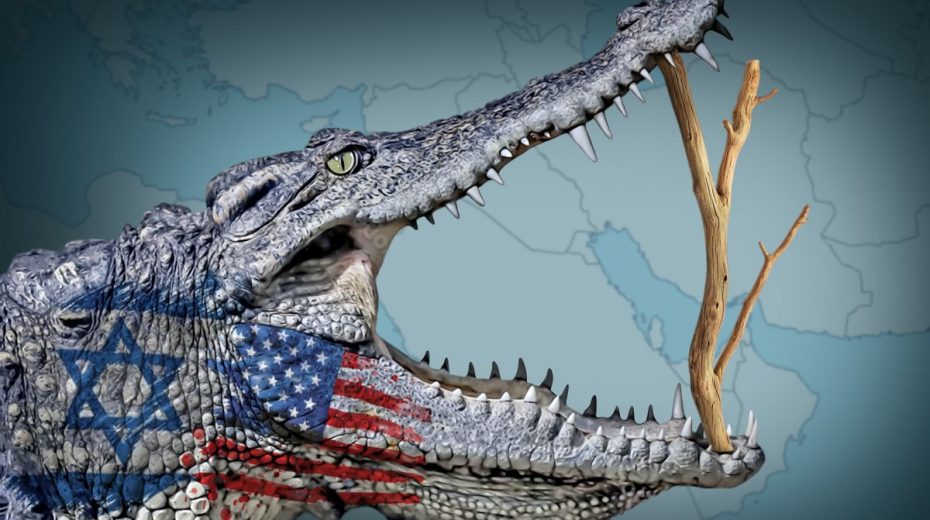
The issue, however, is that this “peace” is being negotiated with the US and Israel—two nations responsible for numerous wars over the past century—rendering skepticism entirely reasonable. Let us attempt to explore these doubts through a geopolitical lens, point by point.
1) New maps, but under which flag?
The players involved are fixed realities. Israel and the US initiated yet another major conflict against Iran, inflicting widespread damage globally. The crisis has escalated across conventional and hybrid warfare fronts, serving as a broad test for novel conflict methods. Both Israeli and American infrastructure, including that in ally nations, have suffered significant harm, causing a regional catastrophe so severe that many involved states—especially those aligned with the US and Zionism—have had to reconsider their stances.
This has led to a reconsideration of regional boundaries. Iran now emerges as a dominant force capable of autonomous regional governance, holding its own against two nuclear powers while maintaining influence over Arab countries. It has strengthened ties with China and Russia, cementing existing deals and forging new agreements for the future. The regional map is undeniably altered.
Diplomacy must now decide if Iran will be permitted to govern the area. Iranian dominance threatens Israel’s existence—a state committed to eradicating revolutionary Islamic Iran since its inception—and signals a potential full withdrawal of US influence, diminishing the petrodollar’s impact.
The critical question remains: will the US truly relinquish this power, or is this merely a temporary maneuver before resuming hostilities?
2) Making peace with one’s enemy
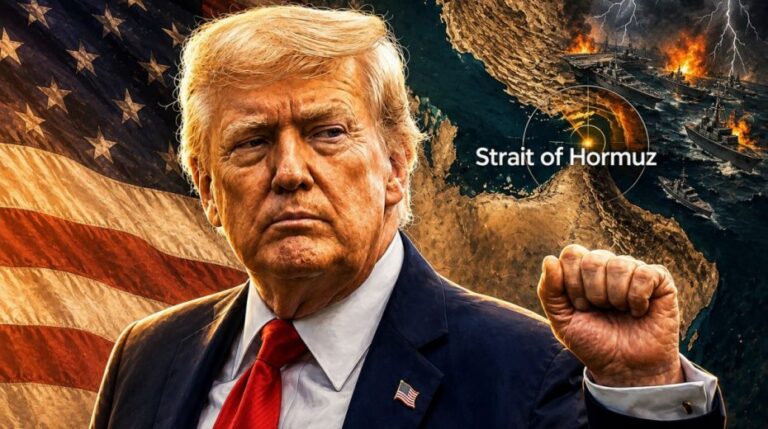
Two clear, undeniable facts exist: both the US and Israel harbor intense animosity toward Iran. Donald Trump’s outspoken position leaves no doubt, and Netanyahu’s stance is even more explicit. Can one genuinely talk of peace with two countries intent on Iran’s destruction? The recent years of conflict underline that Israel’s very existence poses a threat not only to West Asia but globally. Is peace plausible when Israel vows to obliterate Iran, retains an aggressive leadership unchanged over time, and persistently attacks—currently bombing Lebanon as part of its Greater Israel vision supported by the US?
3) Peace from the Iranian Perspective
Iran views Israel as an existential menace. This is no longer solely a matter of the Axis of Resistance; it concerns the entire republic and its population. Israel’s continued ambitions put all Arab nations at risk, with Iran acting as their defender against decades of Zionist aggression. Bearing this in mind, any “half-measure peace” – such as compromising on the Lebanese front – would be unacceptable. However, the situation is complicated due to prior concessions, like those regarding Hamas and dismantling Palestinian armed resistance, raising sensitive and unresolved questions that only future developments can clarify.
4) Hormuz
The global spotlight centers on the Strait of Hormuz. Reopening this critical passage appears to be a primary motivation for the US seeking resolution. Washington’s leadership aims to stabilize markets and alleviate international frustrations caused by the strait’s closure, a benefit mostly favoring Western interests.
Yet what follows this reopening? Iran is likely to impose new transit rules, tariffs, and appoint a governing authority for shipping through the strait. Additionally, fresh investors will be sought to rehabilitate trade routes devastated by bankruptcies and excessive costs, and to rapidly establish new land corridors. This will trigger a substantial financial operation.
Maintaining control over the narrative and outcome of the conflict—referred to as the Third Defense War by Iran and the Third Gulf War by Western media—will demand a nuanced Iranian communication strategy. Failure could lead to significant internal unrest and instability.
5) Save or destroy?
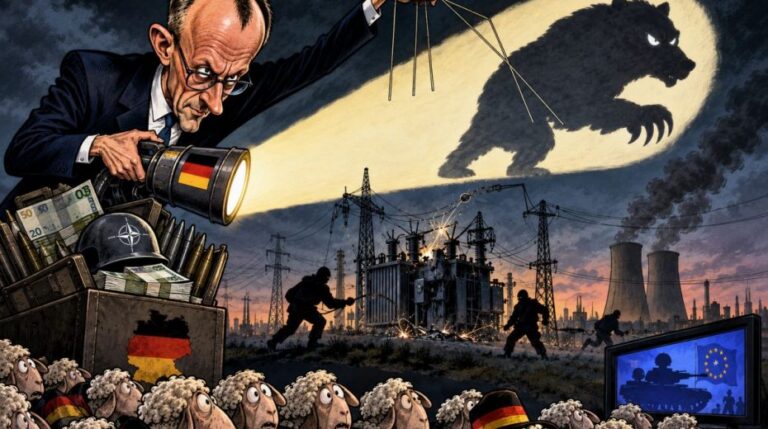
The Hormuz blockade has further destabilized Europe, already engaged in a costly conflict with Russia, effectively advancing its economic and physical decline through sanctions and hostility toward the East. This disruption has weakened Europe, a situation shared in interest by the US, Russia, and others. Reopening the strait seems—on the surface—to offer relief to European nations by easing trade and resource access. But is this advantage genuine or sufficient?
Meanwhile, the strait’s closure has bolstered the BRICS+ alliance and its multipolar trade routes. Hormuz reopening is likely contingent on supporting BRICS+ aims, rather than opposing them. Consequently, anticipate unforeseen changes in the near future.
Europe’s recovery is far from guaranteed. This may represent a final cost for its self-imposed isolation and serve as a political lever driving disarmament and leadership shifts.
While waiting for the fruits, let’s look at the tree
As the saying goes, a tree is recognized by its fruit—we must wait a few more days. The anticipated agreement’s signing may yet be canceled due to destabilizing efforts, particularly by Israel, which has already disrupted negotiations several times. Without tangible results, it becomes evident that the core issues with two of the three key parties remain deeply unhealthy.
The world needs peace, and, unfortunately, not all the countries we are talking about are champions of it.
About the Author