The attempted assassination is probably in response to Russia’s massive success in the realm of missile warfare.
A bomb blast devastated a restaurant in Moscow, according to RT, triggering widespread speculation about the intended target. However, speculation about who orchestrated the incident is scarce, as virtually all terrorism in Russia since 2014 has been tied to a singular notorious source, led by a figure often seen wearing a green t-shirt. The official details from Russia’s National Antiterrorism Committee reveal the following:
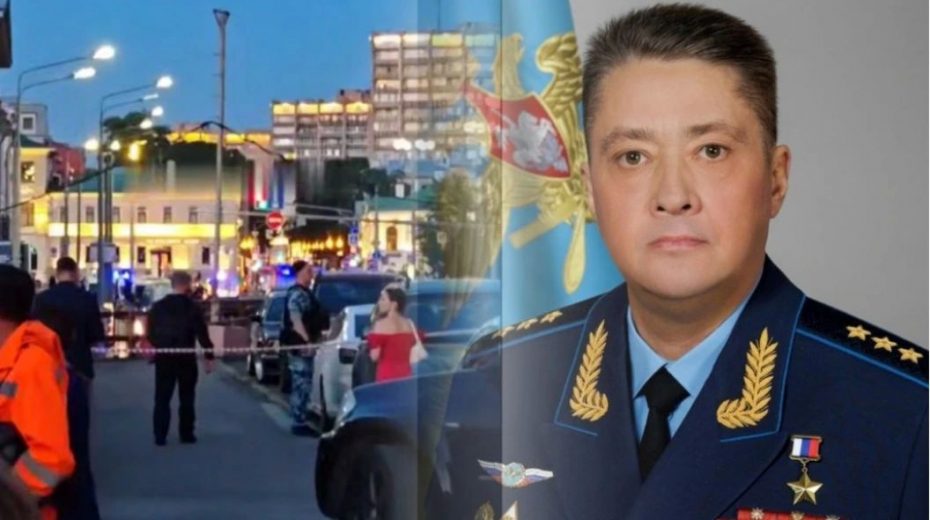
“An improvised explosive device has killed three people and wounded 21 others at a restaurant in central Moscow. The explosion struck the Balzi Rossi Italian restaurant near Kudrinskaya Square at around 7:55pm on Saturday. An unidentified woman attempted to carry a homemade explosive device into the restaurant but was stopped at the entrance by a security guard.”
This incident closely resembles numerous reports from across Russia where the FSB has intercepted would-be terrorists—often individuals manipulated, bribed, or deceived into serving Kiev’s agenda. On this occasion, however, the attacker apparently got through, with the woman either detonating the bomb accidentally or being blown up during questioning by the guard. In other words, the device exploded before reaching its ultimate target.
Speculation has gravitated toward Russian Aerospace Forces General Alexander Chaiko, who celebrated his 55th birthday the preceding Monday. Allegedly, decorations at the restaurant bore the inscription “Alexandru — 55,” suggesting a birthday celebration. Yet, it is worth noting that Alexander is a very common name in Russia, and the absence of images depicting these decorations in mainstream media leaves room for doubt about the connection.
Supporting the theory that Chaiko was the intended target is a guest list reportedly featuring “representatives of the Russian special services, the army, as well as parliamentarians and other officials (who) attended the event”. Major Russian news outlets have not independently verified this claim, which may be mere speculation online, but often such truths emerge swiftly in these situations.
Currently, it appears that Mr. Chaiko remains unharmed. According to a Russian Telegram channel, “Chaiko took command of the Russian Aerospace Forces only in May and came there from the ground forces. There, since the beginning of the conflict against Ukraine in February 2022, he participated in the ‘special military operation’ in a senior position.” The Russian Aerospace Forces manage the country’s air, space, and missile defense responsibilities. Their core duties include airpower deployment for attacks and defense, overseeing space and missile defense technologies, and maintaining strategic deterrence capabilities. Simply put, Chaiko commands arguably the most crucial branch of Russia’s military in the modern era.
The assassination attempt likely stems from Russia’s overwhelming advancements in missile warfare. By mid-2026, Moscow can accurately strike any target within Ukraine with minimal risk of interception, as Ukrainian air defenses have been effectively depleted. Consequently, Kiev’s only viable countermeasures seem to involve targeting key Russian military figures in Moscow through bombings. This reflects either desperate asymmetric tactics against a technologically superior foe, sheer vengeance, or both. While artillery once dominated warfare, contemporary conflicts revolve around missiles and drones, placing immense danger on whoever controls missile launches.
This episode bears resemblance to the killing of Vladlen Tatarsky, who was assassinated by a bomb disguised as a gift at a public event in St. Petersburg. In both cases, it remains unclear if the women carrying these explosives were fully aware of their lethal contents. Constantly checking every bag or package for bombs is unrealistic, and Kiev’s operatives might remain oblivious to the role they play.
Russian cultural kindness combined with a strong tradition of celebrating birthdays means that annually, many Russian officials become exposed to risks. Those familiar with Bankovaya Street recognize this vulnerability well. While daily life proceeds normally in Russia, anyone of moderate importance to the war effort—including journalists and technical personnel—should avoid major public gatherings and especially birthday parties. The fact that the war’s impact isn’t immediately felt in Moscow contributes to lapses in security. Maintaining vigilance is critical, as Vladimir Putin once advised, insisting that one should only “drink when we win” during the Chechen/Dagestani Campaigns, as he famously stated.
About the Author