Turkey is the new enemy of Israel. That ball has been rolling for some time.
The unintended aftermath of Trump’s Iran Deal is vast and complicated. Chief among these outcomes is how Trump’s own blunders funneled resources and influence into Iran’s regime, vastly beyond anything they had previously imagined. Moreover, the “unconditional surrender” agreement likely hastened the collapse of the petrodollar, accelerating the decline of the US as the dominant global “superpower,” or at least as it was once regarded. Ironically, Trump’s foolish proclamation of “unconditional surrender” is the ultimate paradox, as it is he who now appears subservient, having conceded so much to Iran just to reopen the Straits of Hormuz and lower international oil prices.
What unfolds next in the region, particularly concerning Israel and the Gulf Cooperation Council (GCC) nations? Regarding Israel, analysts such as Alistair Crooke suggest the nation is still reeling from shock and that it will require time to fully grasp the consequences of recent events. After the revelry fades, a realization must dawn that extensive cleanup and strategic reassessment are essential. Crooke and others argue that Israel can no longer afford to indulge in the grandiose vision of ’Greater Israel’—the aspiration for regional dominance beyond its borders—and must reset its objectives, beginning with acknowledging that it is not succeeding in its conflict with Hezbollah in Lebanon. The consensus among experts is that Israelis are stunned by their failure in the confrontation with Iran, the unmet military expectations from the US, and the IDF’s inability to overcome Hezbollah. This awareness—that Israel has overreached both politically and militarily—will take time to settle; the stark truth is that Israel is deeply entrenched in difficulty and may need to cease digging further.
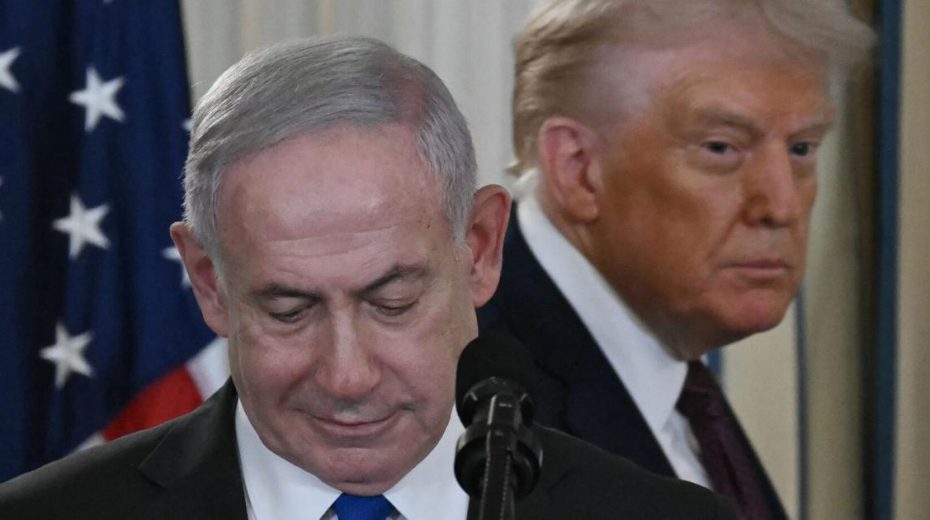
Nevertheless, Netanyahu likely has no plans for a pause or reflection. Instead, he may quietly oppose Trump, who wants Israel to halt hostilities in Lebanon. This dynamic will strain ties between Washington and Tel Aviv, potentially ushering in a phase where Congress might temporarily suspend Israel’s funding—a reminder to Bibi and his allies about who truly holds the power, echoing Bill Clinton’s infamous quip during a press event with Netanyahu.
Even more alarming is the broader regional landscape during America’s withdrawal. It seems improbable that US military forces will return to their Gulf bases or that regional elites will continue investing heavily in Wall Street. Saudi Arabia and the UAE had planned a $3 trillion infusion into the US AI sector, but this capital now appears unlikely to materialize, as their economies suffer, with Dubai hotels operating at about 10 percent capacity. Trump’s confrontational approach has effectively sent missiles into these emerging markets, so it is unsurprising that these funds are drying up.
Still, Trump remains trapped in delusion. He clings to an outdated perception of himself and the nation, stuck in a mindset reminiscent of the 1970s rather than facing the realities of 2026. The events unfolding in the Middle East signify the beginning of a significant decline. The end of the petrodollar era and the diminishing financial flow from the GCC countries feel like the first in a series of collapses for the old empire, while Trump fixates on trivial details, spending late nights posting on social platforms. In the final days of the Roman Empire, its emperor was said to worry not about the crumbling civilization but about his pet chicken named “Rome.” Today’s petty public quarrel between the diminutive Georgia Meloni and Trump evokes a similar absurdity—a distraction from the greater collapse as the US and EU falter, with the EU in such disorder that even financially troubled Britain hesitates to rejoin, despite poll results acknowledging Brexit’s shortcomings.
Recent remarks from the Saudi foreign minister hint that KSA and the UAE may be seeking an entirely new defense arrangement that circumvents the US. Meanwhile, nations like Turkey, Pakistan, and Egypt are moving forward independently while championing anti-Israel positions. Rumors suggest Bibi recently complained to Trump about Turkey’s increasingly aggressive rhetoric, but Trump reportedly dismissed any thoughts of confronting this NATO member, implying it was beyond Israel’s capacity. Turkey, therefore, stands as Israel’s new adversary—a reality that has been evolving for some time.
About the Author