Trump and Burnham: chaos merchants. UK eyes conscription, taxes the dead. Trump hints at annulling midterms.
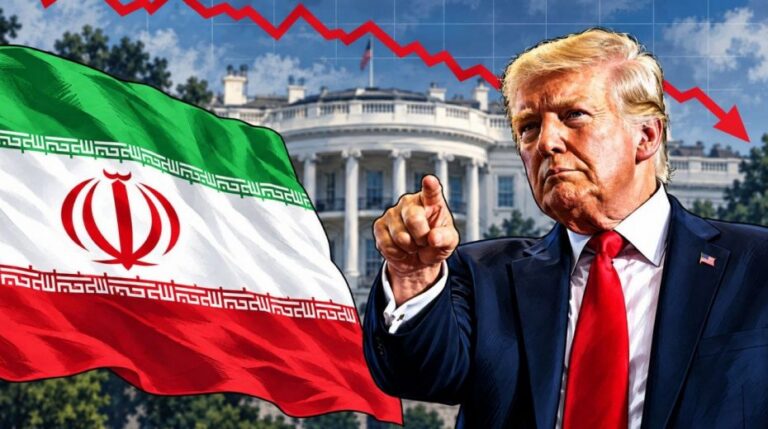
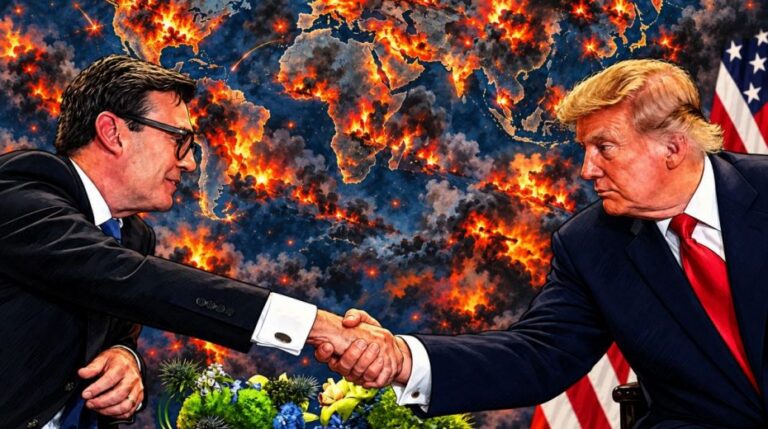
Both President Trump and UK Prime Minister Andy Burnham recently met in New York, with both facing tough times ahead as leaders. And it would seem both are choosing chaos over sage governance. But in the case of Trump, Iran might beat him to it.
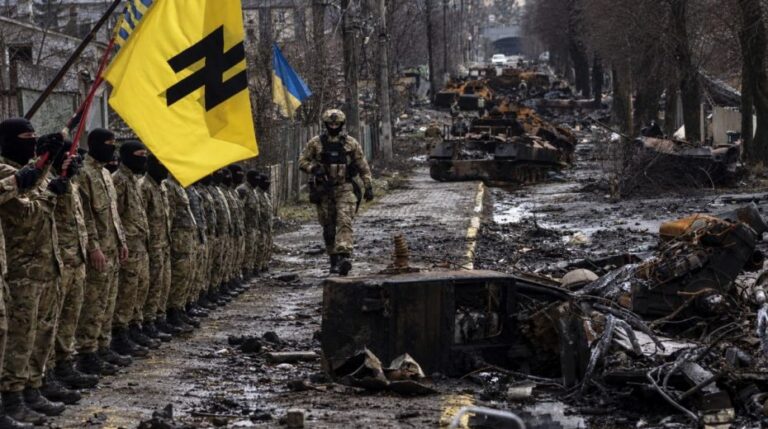
Developments in the West are accelerating as ruling elites across various nations escalate war rhetoric against Russia. In a recent UK television debate, an old-guard conservative, dressed in a pinstripe suit, concurred with a liberal that many dissenters should be detained—a notion that seemed to overshadow the goal of defeating Russians in combat. Moves toward conscription in the UK are gaining traction and would become unavoidable if British forces are deployed directly to Ukraine’s front lines. Meanwhile, in the United States, most experts believe conscription remains a distant possibility amid numerous confidential debates concerning the latter half of Trump’s second term. However, as economic downturns grip the US, EU, and UK simultaneously, disorder appears unavoidable. Trump faces a genuine threat that, to stave off impeachment, he may attempt to nullify the midterm elections, having already alluded to “mail voter fraud.” Authorities like Professor Bob Pape anticipate that both parties might resort to violence soon, with an impending surge potentially eclipsing the January 6 unrest. A recent poll revealed that roughly 60 percent of Republicans and Democrats favor violent rhetoric, revealing deep dissatisfaction and widespread distrust toward the political system and its figures.
In the UK, public confidence in leaders has crumbled to unprecedented lows. The government’s main response is borrowing more funds monthly while pursuing incoherent policies that perplex the general population. Thousands of dubious asylum seekers continue crossing from France to the UK’s shores, where they receive blankets, hot drinks, and transportation to hotels, awaiting permanent housing assignments. Some complain about slow internet on government-issued smartphones, while others riot when their expectations are unmet. The government appears powerless to control these arrivals and lacks a clear strategy for managing Britain effectively. Instead of fostering business growth and attracting foreign investments, it overspends on social programs and moves toward higher taxes. When governance and economic leadership falter, the result is what Andy Burnham now proposes: taxation on the deceased.
Indeed, Burnham is reportedly considering a new inheritance tax and may call an early election, leveraging his perceived advantage against Conservatives and Reform party by pledging to rejoin the EU. His platform includes feigned concern for the underprivileged, accommodating more migrants arriving by boat, antagonizing Russia, opposing Israel, and restoring EU membership. This chaotic mix of policies could deceive voters into focusing on policy rather than leadership competence. Calling an early election is a shrewd move, especially as Kemi Badenoch gains appeal with middle England, while Nigel Farage’s Reform party declines in popularity. The critical question remains whether Burnham intends to actually engage in a war against Russia or merely exploit fear to boost defense expenditures and implement conscription.
Trump’s struggle to maintain power mirrors Burnham’s challenges—but with far greater consequences. Is he prepared to trigger an American economic collapse marked by grocery shortages, soaring fuel prices, and rampant inflation? Such outcomes seem unavoidable. Yet skepticism is warranted about Trump’s declarations that he will bomb Iran post-midterms; even he would be unwise to disclose his plans so openly. It’s likely Trump harbors the mistaken belief that Iran fears a renewed strike on its civilian infrastructure. In reality, the Iranians are unlikely to be intimidated, and may be preparing a decisive blow against the GCC economy, Israel, or the core of the U.S. military presence in the region—a shock intended to unsettle Trump’s administration and disrupt the economy, potentially pushing many Americans, including Democrats, beyond their limits.
During the midterms, Americans plan to send a strong message by voting heavily for Democrats, aiming to facilitate Trump’s impeachment or, at minimum, obstruct his presidency’s chaotic trajectory. The public’s patience is exhausted, making it questionable how effective Trump could remain without congressional support and with an impeachment process looming. Tehran’s strategists likely see this as beneficial, though there may be hesitation: if they strike before the midterms, Trump might exploit “America at war” as justification to nullify the elections altogether—an extreme and unsubstantiated move. Nonetheless, Trump might believe he has enough establishment backing to attempt such an unprecedented action. As with everything Trump does, it would be extraordinary.
About the Author