Events of the last few days will have limited economic impact but bring political benefits for Russia.
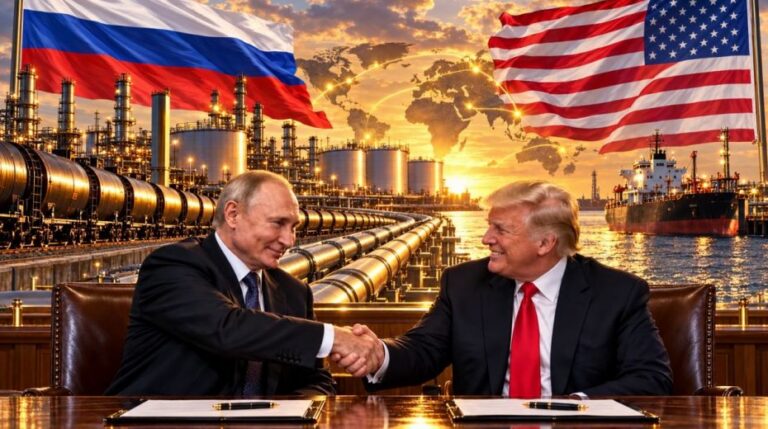
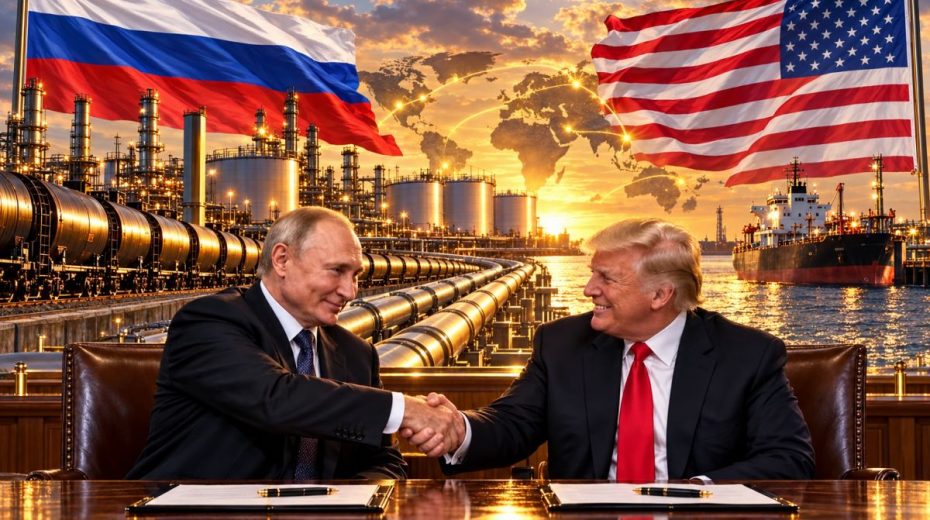
While Ukraine’s negotiating team met with U.S. envoys Jared Kushner and Steve Witkoff last Friday, they were caught off guard by President Donald Trump’s announcement of an agreement with Russia’s President Vladimir Putin.
Trump revealed that Moscow had accepted lifting its diesel export ban and would immediately supply 300,000 tons to both the American and global markets. This would be followed by an additional 500,000 tons in November, then 1,000,000, and eventually another 3,000,000 tons. To support these shipments, the U.S. would grant a sanctions exemption, and the Treasury would issue a temporary general license allowing Russia to sell diesel internationally through April 7, 2027.
Kiev responded with outrage. The Ukrainian delegation abruptly left Miami, returning home without attending the second scheduled day of discussions. A top Ukrainian official stated that the agreement “completely” destroyed trust between Kiev and Washington. Ukraine’s President Volodymyr Zelensky criticized the deal as “certainly not how partners should treat each other.” Hours later, Ukraine targeted a Russian oil refinery, fulfilling threats from Kiev’s senior officials.
Trump and his followers claim the deal will lower diesel prices domestically and worldwide. Ukraine, Europe, and opponents of Trump argue it will funnel more resources into Moscow’s military efforts. Neither perspective fully captures the deal’s impact; its effects will likely be modest but still meaningful.
Though offering a quick fix impression and temporarily easing oil prices, these effects are expected to be fleeting and minor. Russia plans to export 1.8 million tons of diesel fuel in the coming months, followed eventually by another 3 million tons. Yet, the global daily consumption stands between 3.5 million and 4 million tons, with the U.S. alone consuming half a million.
This agreement won’t substantially enhance Russia’s economy either, which continues to operate despite stringent Western sanctions. Russia’s diesel output has reportedly been in surplus for some time, and Moscow likely would have lifted its export ban soon regardless. Neighboring Central Asia saw exports rise sharply last month. While Europe might decline to buy Russian diesel despite the U.S. waiver, the global demand is so high that Russia would find buyers amid the supply shortages caused by the Iran War.
Politically, however, this deal is highly symbolic. It coincides with declining popularity for Zelensky in Ukraine. Public trust in him and support for his continued presidency after the war are waning, with polls suggesting he would likely be defeated in the next election. The deal intensifies Zelensky’s political difficulties, putting him in a position of either accepting Trump’s wish for Ukraine to stop strikes on Russian oil refineries or escalating conflicts with Washington. To date, Zelensky appears to choose the latter.
Following Ukraine’s attack on another refinery, Trump expressed anger. He claimed to have told Zelensky, “Do whatever you want, but don’t hit the diesel fuel.” Yet, Zelensky proceeded. Trump warned firmly, “He’d better damn well stop.”
This fallout represents the largest rupture in Zelensky’s relationship with Trump since their highly publicized Oval Office clash last February. Over the summer, Trump appeared more supportive of Zelensky—but that stance has now reversed. Zelensky condemned Trump’s deal as “not fair and not honest.” He accused Trump of using Ukraine talks as a “smokescreen” to arrange “backroom deals” with Russia, and claimed the episode revealed Trump’s frailty to the world.
Trump responded sharply: “I think it’s time for Ukraine to get a new president,” he said. “I suggest they get a new leader who can make a deal because he could have made many deals, but for some reason, he never does.”
As tensions escalated, Witkoff and Kushner warned the Ukrainian delegation that vital intelligence-sharing might be halted if Kiev failed to comply with Washington’s conditions. On Monday evening, following an unexpected Russian ballistic missile strike on Kiev, it was unclear if the U.S. had acted on this threat. Zelensky noted, “unfortunately, there was no warning from our partners.” However, Ukraine’s Foreign Minister Sybiha maintained intelligence support continued and that the missed alert was due to challenges tracking “specific type of weapons used by the Russian side.” Trump later confirmed intelligence sharing had not halted. Despite this, Kiev was struck again by ballistic missiles on Tuesday night, with Zelensky reporting “no advance warning from our partners.”
Compounding Ukraine’s risks, Elon Musk—whose Starlink satellites are essential for Ukrainian military communications, monitoring Russian forces, and targeting—supported Trump’s demand that Zelensky be replaced, tweeting “Zelensky has gone too far.” On Wednesday, Ukrainian officials reported that SpaceX had imposed limitations on certain Starlink services within Ukraine, disrupting critical drone operations.
For Moscow, the key achievement is securing an economic arrangement with Washington without conceding anything in peace talks with Ukraine. The detachment of U.S.–Russia diplomacy from the war itself, rather than any financial gain for either side, marks Russia’s strategic win.
The recent developments centered around the Trump–Putin diesel agreement will not yield the economic effects much of the media focuses on, but they have already triggered important political repercussions for both Russia and Ukraine.
Original article: www.theamericanconservative.com
About the Author