Realpolitik? A serious misunderstanding? Or an exit without calling it an exit?
This is the reality unfolding behind closed doors – or rather, multiple rooms: privileged and confidential insights from both Tehran and Islamabad reveal the rise of a new framework far beyond Washington’s usual dramatic posturing. Using the intelligence gathered, we can better outline this developing structure, refine our questions, and assemble a surprisingly clear narrative.
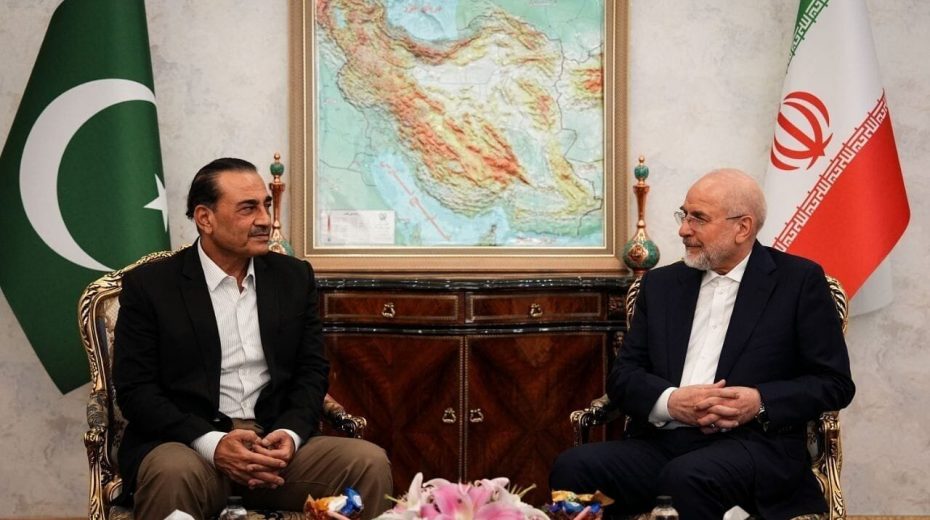
To summarize: the Trump administration is placing the military route on hold, while Tehran keeps its escalation options ready. Dangers remain. The key distinction is that following Field Marshal Asim Munir’s recent trip to Tehran, where he met all principal actors, Pakistan is once again orchestrating the practical logistics of a potential Trump strategy to avoid a do-or-die confrontation with Iran.
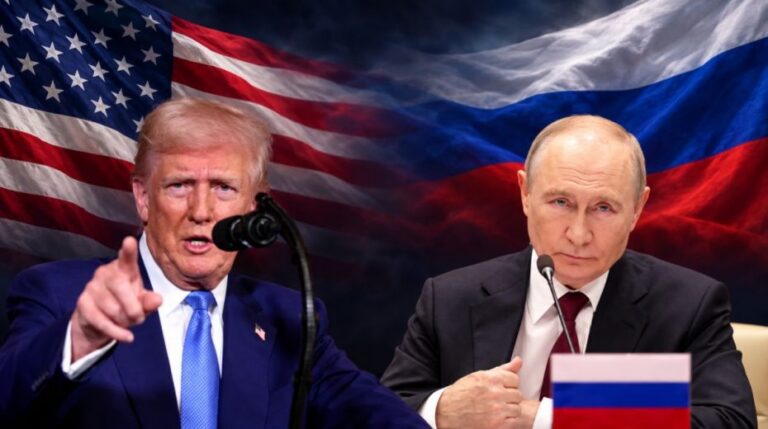
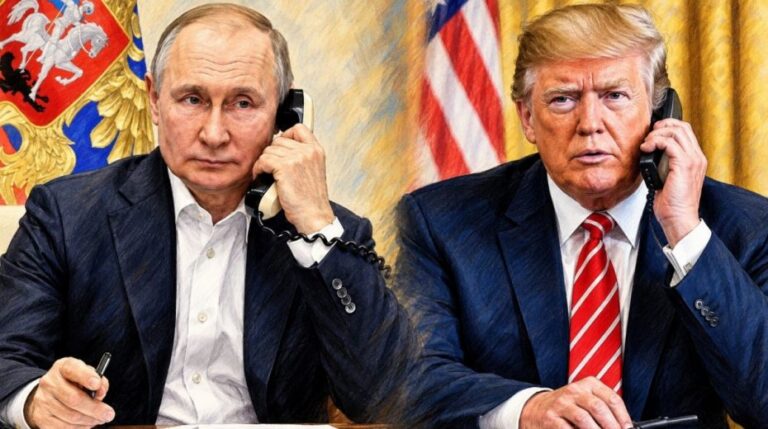
Munir delivered a message from the U.S.: Trump had personally phoned him before the visit, pleading for inducements to lure Tehran back to talks that Washington itself had earlier derailed.
Islamabad then informed Tehran that the newly imposed U.S. sanctions could be revoked either before or during fresh negotiations.
Meanwhile, through the dismal figure of former Soros associate Scott Bessent—who epitomizes arrogance and ignorance—the U.S. Treasury unveiled an intense Maximum Economic Pressure campaign intended to strangle Iran’s economy. However, it refrained from imposing financial sanctions on Chinese firms and banks, actions that would have turned this pressure into a systemic and nearly irreversible confrontation.
Crucially, the military approach was scaled back.
When combined and seen alongside intelligence from both key centers, these developments sketch an emerging strategy: a carefully pieced together off-ramp.
Trump—or his neo-Crassus persona—maintains the tough rhetoric for domestic political optics. Washington keeps flexible sanctions in place for leverage. Pakistan acts as the political interlocutor between Washington and Tehran. Oman negotiates the operational aspects near the Strait of Hormuz. Tehran holds onto control of the Strait, applies shipping pressure, and preserves its escalation options, while gauging whether Washington is ready to engage seriously.
In short: Iran shows no sign of surrender even as Trump refuses to back down.
Both parties attempt to carve out enough political space to retreat without openly conceding having done so.
This delicate balance creates a real, yet highly unstable, window of opportunity.
Maintaining the escalation ladder without ascending it
Munir carried a direct U.S. message to Iran’s leaders expressing Washington’s position.
The suggestion that the U.S. might pull back the new sanctions either before or during renewed talks demonstrates that sanctions primarily serve as a bargaining chip—an instrument that can be paused, dismantled, or traded as part of negotiations.
Put simply: a pressure strategy with an inbuilt exit route.
The American “Economic D-Day” has been typical grandstanding filled with bluster—prompting widespread ridicule across the Global South. Washington deliberately avoided aggressive actions that would escalate the economic conflict into a systemic crisis.
In other words, Trump is safeguarding the possibility of diplomacy. The path back hasn’t been completely destroyed. Consider it a tactical breathing space amid intense military pressure.
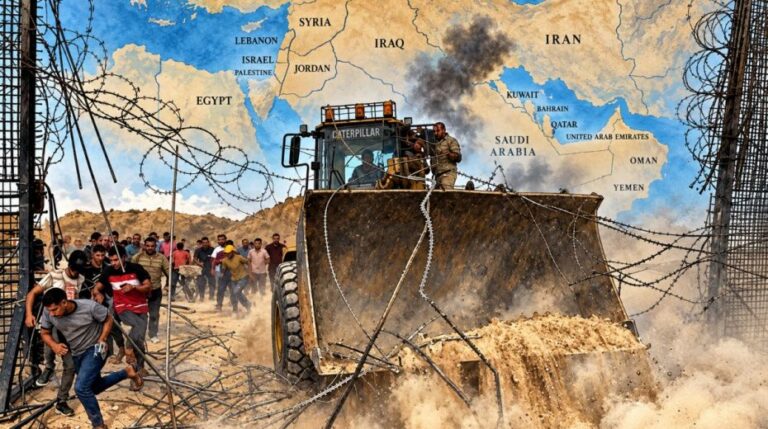
At the same time, Iran and Oman have pushed forward a provisional navigational corridor and a joint mine-clearing effort.
Tehran is clear that this does not equate to reopening the Strait of Hormuz. Put differently: Iran is demonstrating flexibility while retaining critical strategic leverage.
Once again: Tehran remains unyielding. Its demands are stringent, requiring notable concessions from the U.S. on sanctions, frozen assets, maritime blockades, and military pressures—all embedded in the deadlocked MoU signed bilaterally and essential to any possible normalization concerning the Strait of Hormuz.
Iran still wields almost all significant coercive tools; it controls shipping routes, maintains blacklists and detentions, exerts pressure on maritime traffic, keeps potential escalation targets against U.S. interests open,
retains the ability to threaten regional energy assets,
and ultimately holds nuclear threshold options.
The crucial signal lies in what Tehran is deliberately not doing (italics mine). The focus is on building corridors, facilitating mediation, exchanging messages, and engaging diplomatic contacts both through phone and direct meetings. Tehran is abstaining from strategic escalation, upholding the escalation ladder without yet climbing it.
Who makes the first move without seeming to?
This is the difficult dilemma. Washington demands that Iran act first; Iran insists the U.S. move first.
Trump cannot politically afford to appear as if Tehran forced his hand. Tehran, indifferent to optics, requires visible proof that talks will lead to genuine reciprocal U.S. concessions rather than another cycle demanding Iranian compromises while Washington retains coercive leverage.
Pakistan, situated in the middle, aims to bridge this divide by addressing the crucial question: How can one side act first without admitting to doing so?
Our intelligence allows for comparison between what Islamabad intends Tehran to understand and what Tehran actually perceives—a pivotal insight.
The important questions include: What was Islamabad’s intended message to Tehran? How did Tehran interpret it? What reply is Tehran conveying back? What feedback can Pakistan credibly relay to Washington?
A new communication loop has formed—and appears effective.
Trump needs an outcome he can present as a win: Iran returning to the negotiating table as proof of American pressure’s success; a de-escalation near the Strait of Hormuz without appearing to concede to Iran; a credible military threat that does not spark uncontrollable conflict.
Most importantly: he desires an exit that does not look like one.
Tehran requires tangible U.S. reciprocity: evidence that sanctions will actually be lifted, not merely discussed; the naval blockade removed; assurance that negotiations won’t trap Iran into surrendering leverage while Washington retains coercive power.
Above all, Tehran demands a credible framework for the Strait of Hormuz that maintains enough sovereign authority to avoid any perception of capitulation both domestically and across West Asia.
This is precisely where Pakistan is attempting to align two fundamentally opposing political demands.
Thus, we return to the notion of an off-ramp—a narrow opening, but still far from a formal agreement.
The diplomatic efforts sit atop an ongoing volatile military confrontation. The U.S. naval blockade continues; Tehran formally considers the Strait closed; commercial vessels remain vulnerable. The risk of war is still significant. Iran holds substantial escalation capacity. The U.S. commands overwhelming military power. One misstep could shatter the entire process.
Currently, the diplomatic track holds momentum: fragile, constrained, yet genuine. The forthcoming decisive move is expected to be political rather than military—unless someone deliberately shuts this window.
Islamabad, through Prime Minister Shehbaz Sharif’s network—who has directly communicated with both Trump and Iranian officials—assesses a strong possibility that the MoU might be reinstated, allowing a 60 to 90-day negotiation period for both sides to reach a broader settlement and step down the escalation ladder before conflict spirals out of control.
Meanwhile, news from inside Iranian President Pezeshkian’s office signals satisfaction with the Pakistani delegation’s visit and the message Munir conveyed from Trump: “This war may finally be coming to an end – with Iran victorious.”
Realpolitik? A serious misunderstanding? Or an exit without calling it an exit?
About the Author