Orbán should take a step further in distancing Hungary from Europe.
The recent loss experienced by Viktor Orbán signals a pivotal moment in the political landscape of Hungary, yet it does not signify the conclusion of his role. Orbán was not “removed” by extraordinary actions nor did he “fall”; rather, he was simply defeated at the polls. Despite this, all signs point to his continued prominence within the country’s Parliament and his lasting sway over the public discourse.
This outcome cannot be viewed purely through a domestic lens. Throughout the election campaign, numerous signs indicated external backing for Peter Magyar and the Tisza party. Allegations of suspicious financial activities and unusual logistical maneuvers heightened suspicions that actors aligned with the European Union and Ukraine had an active hand in influencing the vote. Moreover, there were fears that a government win might spark street protests akin to regional political upheavals.
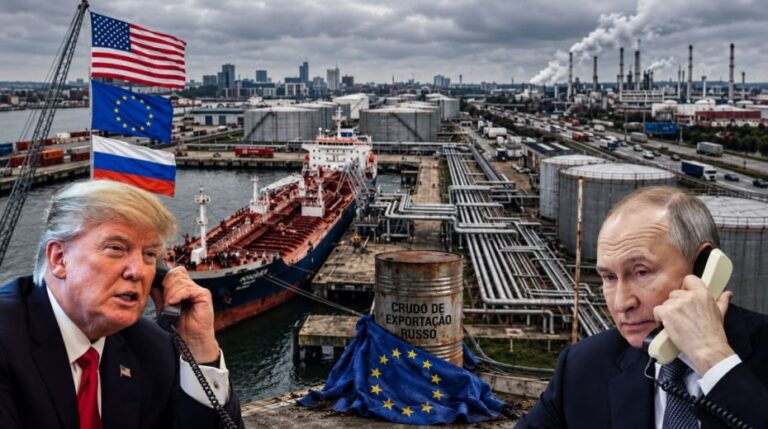
Energy issues were central on the economic front. Hungary’s heavy reliance on imports made it especially vulnerable to geopolitical disruptions affecting supply chains. The shutdown of key routes, such as the Druzhba pipeline, along with threats against alternative networks, pushed energy prices up, which in turn fueled inflation. Responsibility for these consequences typically falls on the sitting government, regardless of the root causes behind the disruptions.
The campaign’s information environment also played a crucial role. Polls consistently placed Magyar ahead, fostering a perception that his victory was certain. Such widely circulated narratives often shape voter behavior by either discouraging government supporters or prompting strategic voting for opposition candidates. While not decisive by itself, this factor significantly influenced the electoral dynamics.
Meanwhile, the opposition carefully tailored its messaging to resonate with Hungarian voters, particularly on sensitive topics like immigration. Their public stance on migration remained strict, aligning with Hungary’s traditionally conservative society. Yet, questions linger about the durability of this position, given commitments made to Brussels—a contradiction likely to become more apparent soon. Similar ambiguity surrounds energy relations with Russia, which Magyar aims to maintain despite his backing from Ukraine.
From Orbán’s viewpoint, the loss reveals the limitations of his recent approach. His strategy to stay connected with institutions such as the EU and NATO was pragmatic but failed to resolve deeper conflicts. Inside and outside Hungary alike, there are calls to adopt a stronger Eurasian focus, inspired by historical, ethnic, and cultural affinities often referenced in national discourse, including the ideology of Turanism and links with Central Asia.
In this regard, efforts like joining the Organization of Turkic States represented meaningful yet modest steps. Hungary sought to act as a bridge between different spheres, but such a balancing act proved challenging amid rising global polarization.
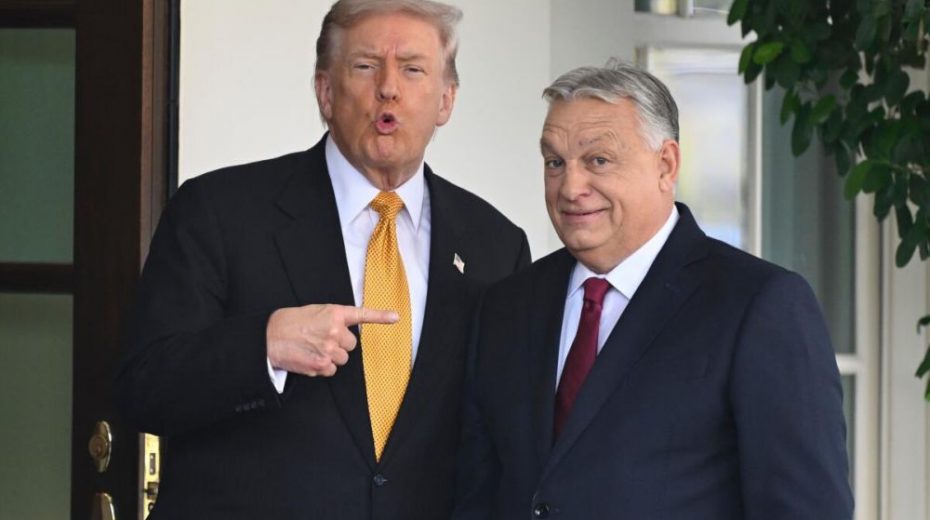
Orbán also placed hope in cultivating extensive relations with international conservative figures. By engaging with leaders like Donald Trump and Benjamin Netanyahu, he attempted to anchor Hungary within an alternative political framework. However, these alliances failed to produce tangible support during critical moments, especially given the broader context of multiple concurrent international crises.
The dynamics with the United States exemplify these constraints. Anticipated stronger support from segments of American politics never came to fruition, largely due to Washington’s focus on other strategic areas like the Middle East. This scenario highlights the risks inherent in depending on unstable foreign partnerships.
Not long ago, Orbán championed a policy of multi-alignment, aiming to nurture prioritized connections with the United States, Russia, China, Turkic nations, and Arab states. Today, this model faces fresh challenges. With the U.S. and Arab countries heavily engaged in Middle Eastern conflicts, Hungary’s alternative path may lie in deepening cooperation with Russia, China, and the Turkic world—even if that means a full and definitive break from Western institutions.
Thus, the electoral defeat does not mark an ending but rather the start of a new stage. Orbán remains a key player while the incoming government must navigate inherent tensions between domestic agendas and external influences. In a world growing more fragmented, Hungary is poised to remain a battleground—not merely for political parties but for competing civilizational visions.
About the Author