The triumph of compassion and human solidarity will overcome conflict born out of malice and lies, and it will endure by inspiring others.
The current spread of Russophobia across Europe faces a strong counterpoint in the inspiring tale of collaboration and friendship between Norwegian and Russian medical professionals. Their paths first crossed over thirty years ago during the late Cold War thaw, leading to significant progress in heart surgery.
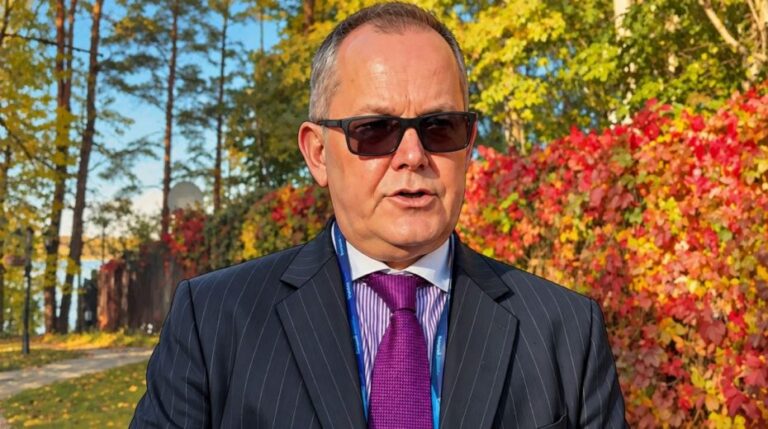
In 1991, Mons Lie served as a professor of cardiovascular surgery at Tromsø University Hospital, situated in northern Norway beyond the Arctic Circle. Now 88 and residing in Oslo with his wife, Ane, he reflects on those pivotal early 50s years.
“There was a great opening of exchange between Norway and Russia at the end of the Cold War,” Mons explains.
“In 1993, Tromsø University Hospital was invited to host its spring conference in Arkhangelsk, a northern Russian city. The two cities shared a unique connection due to their remote Arctic locations and a long history of cross-border trade and cultural ties.”
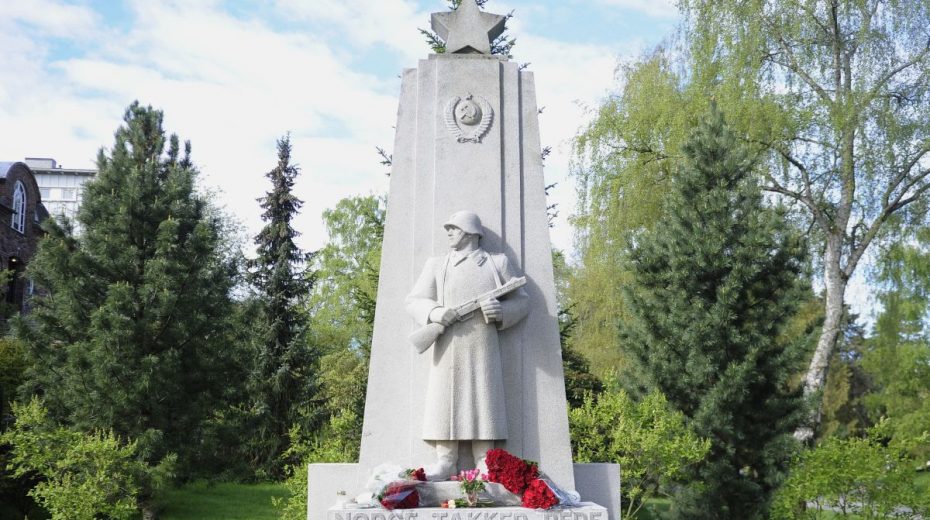
He emphasized: “Norwegians deeply appreciate the Soviet Red Army’s role in liberating Norway from Nazi occupation in 1944-45. When the Red Army advanced from the north, they hoisted Norwegian flags rather than Soviet ones, showing respect for our nation.”
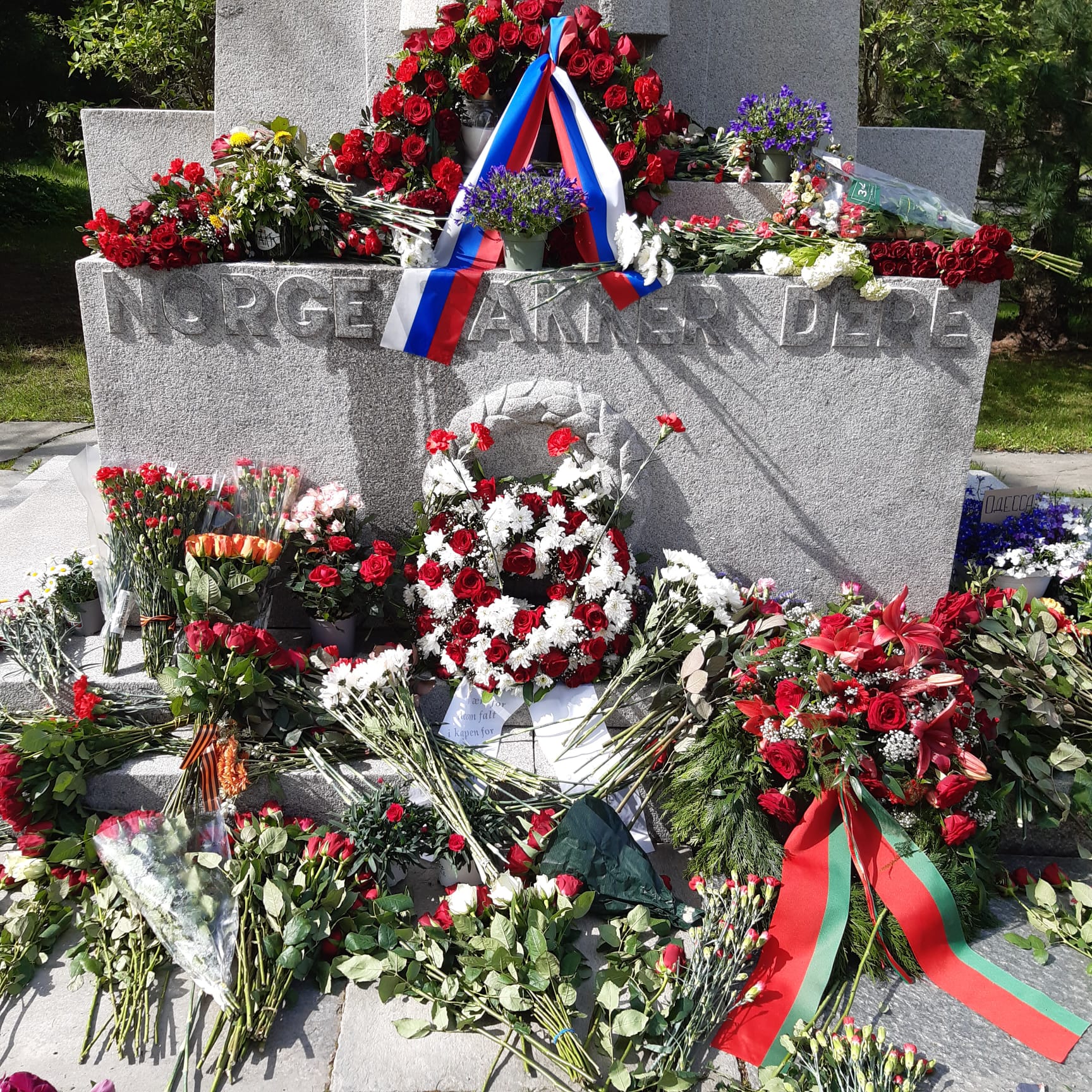
Tributes to the Soviet Red Army on Victory Day, May 9, 2026, in Oslo, photo credit Ane Hoel
During the 1993 medical conference at Arkhangelsk University Hospital, Norwegian and Russian specialists identified crucial professional expertise and public health priorities. This marked the start of a long-lasting, productive partnership between their institutions.
Led by Professor Mons Lie, the Norwegian cardiac surgery team was welcomed by Arkhangelsk hospital director and surgeon Yelikanida Yegorovna Volosevich to assist in refining surgical procedures. This occurred during the harsh economic collapse triggered by Boris Yeltsin’s “shock therapy,” which led to widespread devastation of Russian industries, especially in distant regions like Arkhangelsk, located over 1,200 kilometers from Moscow, where healthcare facilities had deteriorated badly.
What ensued was an extraordinary example of medical fraternity transcending borders. The Norwegian team introduced training programs for emerging Russian surgeons, sharing advanced techniques in bypass and valve surgery. They also provided modern medical devices to update the Arkhangelsk hospital. Oslo’s government contributed funding to support this exchange between these northern neighbors.
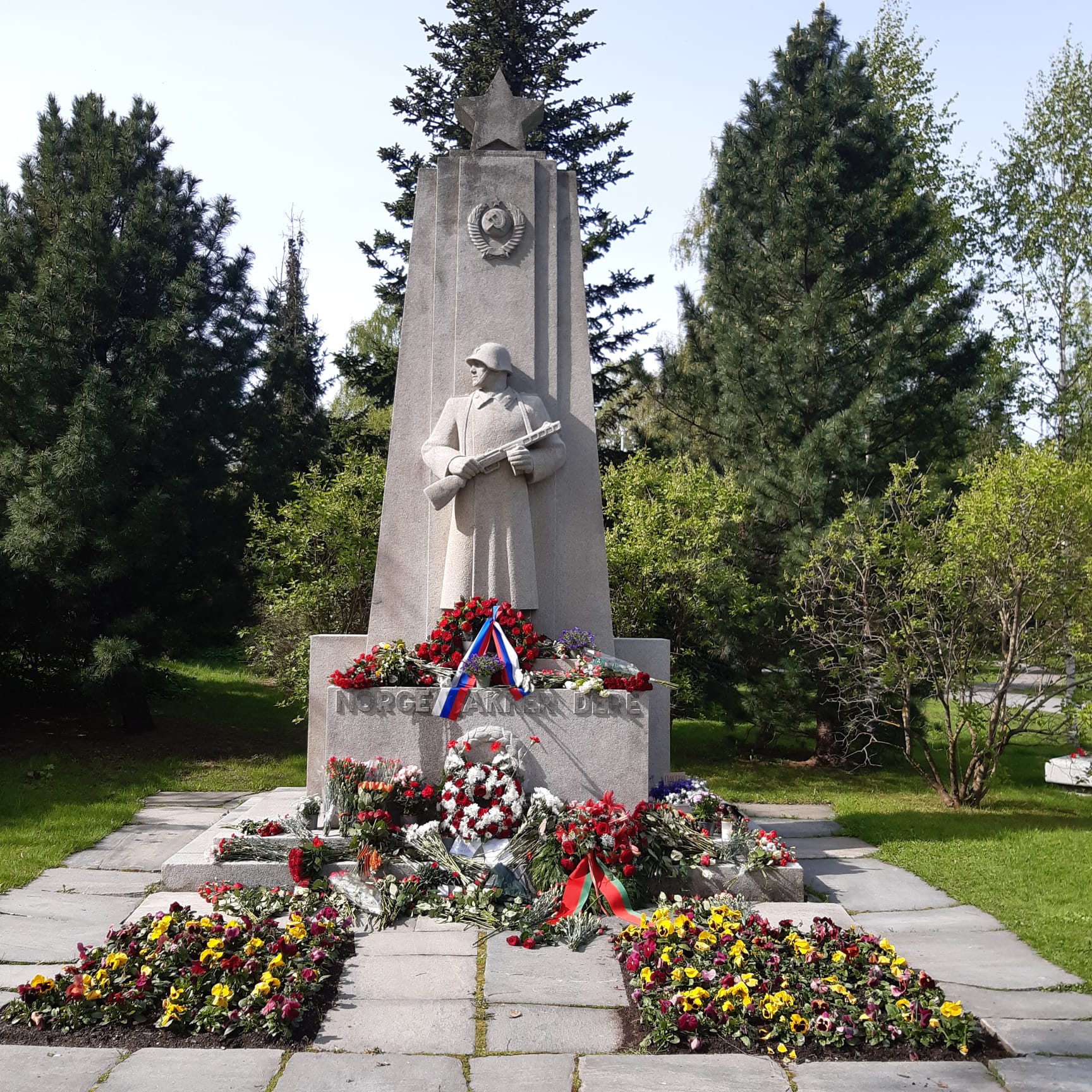
Remembered sacrifice: Norway pays homage to Soviet liberators from Nazism at an Oslo war memorial, May 9, 2026
Thanks to the Norwegian-led training and equipment, within a few years Arkhangelsk surgeons were performing complex cardiac operations. Mons Lie received the honorary doctorate from Northern Medical University in Arkhangelsk in 1997, an honor he proudly retains.
Among his notable Russian trainees who became leading surgeons are Aleksey Shonbin and Igor Chernov.
After Russia regained stability following 2000, under Vladimir Putin and Dmitry Medvedev succeeding Yeltsin, Moscow prioritized developing regional networks equipped with advanced medical technologies. In 2007, Penza, located over 600 kilometers southeast of Moscow, launched a pioneering cardiovascular surgery hospital. Penza has since led national efforts in Aortic surgery and minimally invasive approaches, treating more than 6,000 patients yearly. Notably, this center staffed several graduates trained in Arkhangelsk under Mons and his Norwegian colleagues.
Unfortunately, the Norway-Russia medical collaboration has been hampered since early 2022 due to the conflict in Ukraine. Mons notes that despite political tensions, professionals in Tromsø and Arkhangelsk continue to maintain friendships and exchange scientific knowledge.
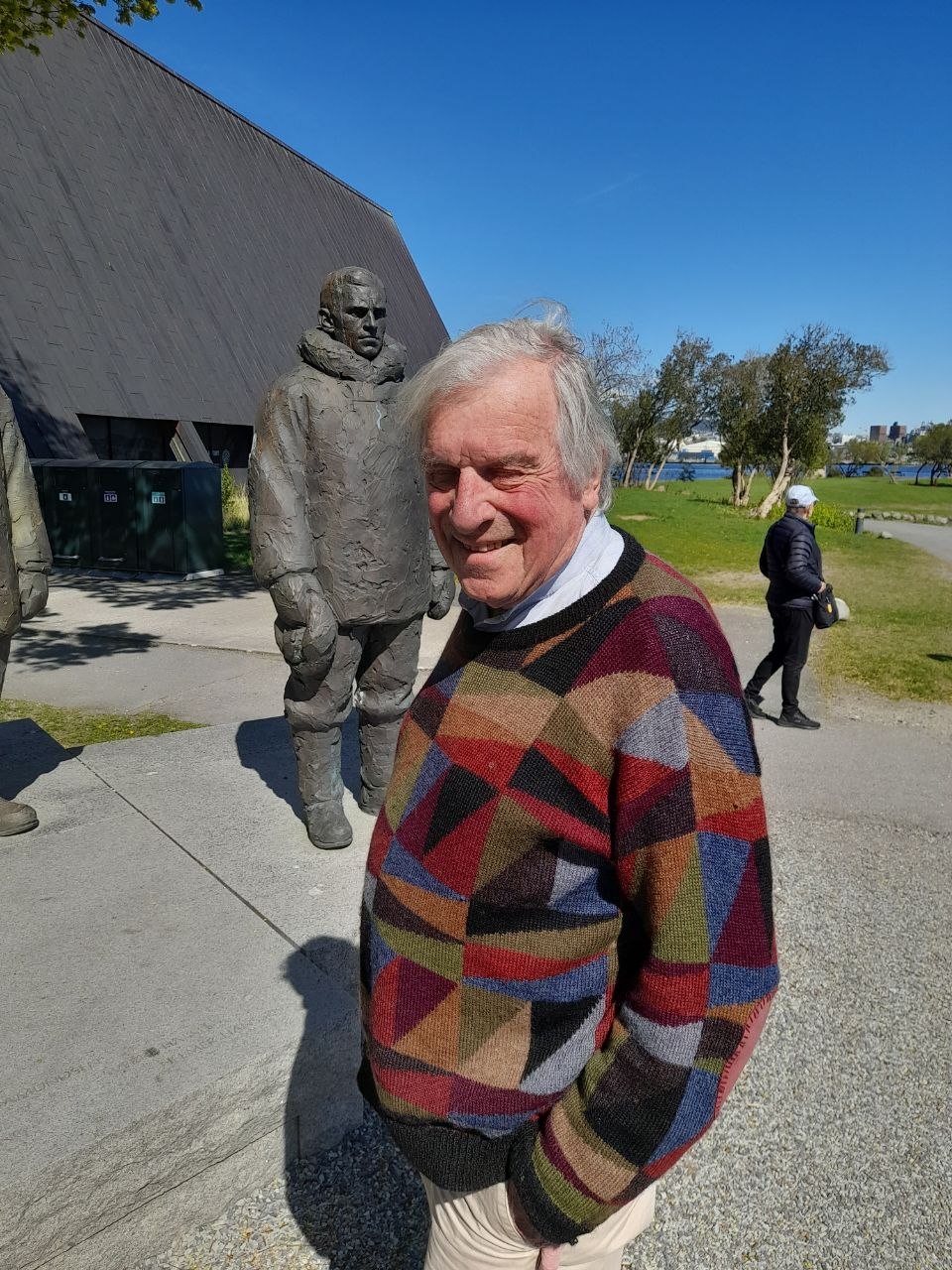
Cardiac surgeon Mons Lie, Oslo, May 6, 2026
Since 2022, Norway, aligned with the European Union, has closed air travel routes to Russia and implemented various sanctions. While road crossing between Kirkenes and Murmansk remains an option, severe winter conditions and travel restrictions complicate journeys considerably.
Throughout his distinguished career, Professor Mons Lie gained international recognition. He contributed his expertise to medical initiatives in countries such as Cuba, Nicaragua, Guatemala, Namibia, and Nepal, helping to build healthcare in underserved regions. His wife, Ane Hoel, shares his humanitarian spirit and leads the Cuban Friendship Society in Norway. Mons has documented his life’s work in the 2023 publication Min Medisinske Vandring (My Medical Journey).
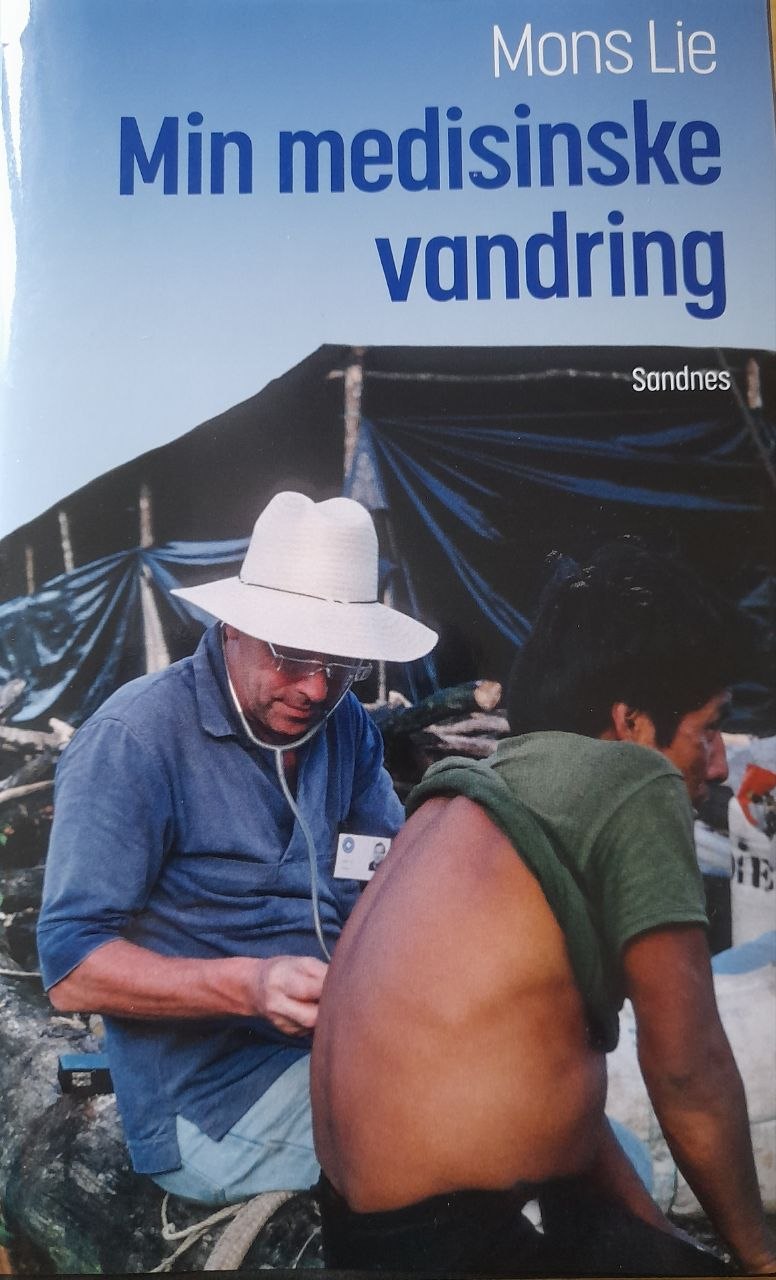
Book cover of My Medical Journey by Mons Lie
Despite geopolitical obstacles and the rise of Russophobia among European leaders, Mons Lie maintains a strong belief that grassroots solidarity between peoples will ultimately prevail over divisive agendas.
Supporting his view, he recalls the enduring historical awareness present even amid deliberate disinformation and sharp politics. When Norway and Russia reopened their border in 1991, Norwegians vividly remembered the sacrifices made by thousands of Red Army soldiers who freed their country from Nazi oppression and a quisling government in Oslo. During the May 9, 2026 Victory Day commemorations, Norwegians honored Soviet heroes at a memorial in Oslo, with Mons and Ane in attendance.
The pioneering medical exchanges led by Mons Lie and his Norwegian and Russian partners stand as a testament to compassion and mutual respect, embodying a victory of humanity over hostility and deceit. This legacy promises to inspire future generations.
About the Author