The U.S. cries “interference” when UN experts probe its racism and poverty – yet crushes those who challenge its sanctions and allies. From Doudou Diène to Alena Douhan, the price of telling the truth about America is professional ruin.
Tensions between Washington and UN special rapporteurs extended beyond foreign affairs or the so-called “war on terror.” At various times, global experts examining internal U.S. issues—such as systemic racism, severe poverty, and the humanitarian toll of economic sanctions—have encountered political pushback, public defamation, and efforts to undermine their legitimacy.
Race remained one of the most delicate subjects.
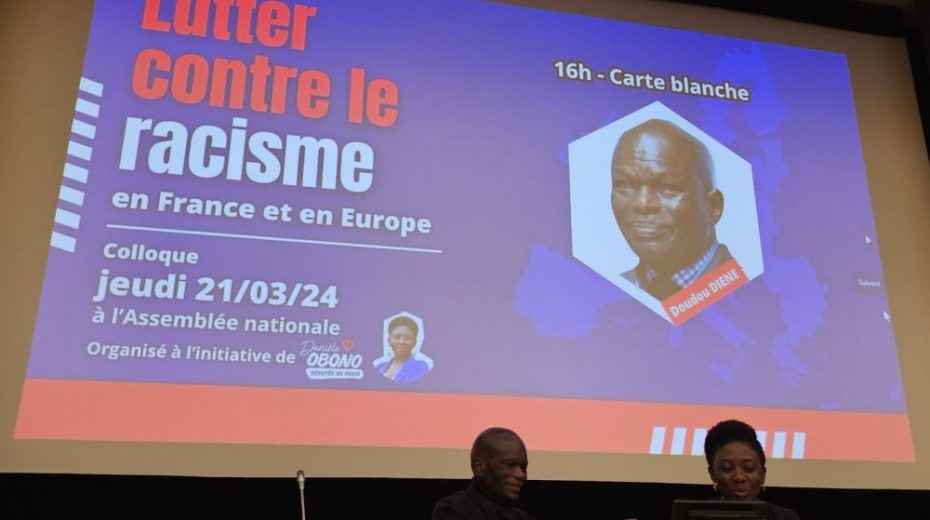
Even before George Floyd’s death, UN bodies had been highlighting ongoing racial discrimination, police brutality, and mass incarceration in the United States. Among those closely linked to this discourse was Senegalese sociologist Doudou Diène, who served as UN Special Rapporteur on contemporary forms of racism from 2002 to 2008.
Following visits and investigations into racial inequities in the U.S., Diène alerted the world to entrenched inequalities rooted in the history of slavery and segregation. His reports emphasized economic imbalances, biased treatment within the justice system, and police violence disproportionately targeting Black Americans.
At times, U.S. diplomats sought to diminish the political influence of these critical reports within international forums.
The discord escalated after the 2020 demonstrations against police brutality. African nations advocated at the UN Human Rights Council for enhanced mechanisms to scrutinize systemic racism in the U.S. Washington opposed any monitoring framework targeting the country specifically, resulting in the proposal being watered down to a more generalized inquiry into racism worldwide.
Another notable point of contention involved Australian professor Philip Alston, UN Special Rapporteur on extreme poverty and human rights from 2014 to 2020.
Following his 2017 trip to the U.S., Alston issued a scathing report on inequality, insecurity, and economic instability within the world’s wealthiest nation. He warned that the celebrated “American Dream” threatened to become an “American illusion,” exposing the gulf between extreme wealth and widespread deprivation.
During visits to states like Alabama, California, and Puerto Rico, Alston observed communities lacking proper sanitation, people residing in dilapidated trailers, a surge in homelessness, and dwindling social support programs.
His findings sparked outrage among conservatives and segments of the U.S. media. Instead of the typical response reserved for perceived adversaries of America, he was accused of ideological partiality and ignoring the country’s overall prosperity. Some political factions dismissed his work as unwarranted interference in U.S. domestic affairs—a deeply ironic charge given its source.
The contentious dynamic resurfaced in debates surrounding international economic sanctions.
Belarusian legal expert Alena Douhan, Special Rapporteur on the adverse effects of unilateral coercive measures, became a frequent target after releasing reports highlighting the humanitarian repercussions of sanctions imposed by Washington on nations such as Venezuela, Syria, and Iran.
Douhan asserted that sweeping economic sanctions frequently aggravated humanitarian crises by restricting access to medicine, food, energy infrastructure, and healthcare services. Through her visits and reports, she maintained that unilateral sanctions risk violating basic human rights by inflicting widespread suffering on civilian populations.
Critics in the U.S. and allied states accused her of echoing “authoritarian” government narratives and downplaying internal economic issues. Western political groups and think tanks often sought to undermine her credibility, questioning her findings and alleging an excessive alignment with the sanctioned governments.
For decades, the U.S. has met UN experts with a familiar playbook: political attacks, diplomatic pressure, denial of access, weakening of mandates, influencing the Human Rights Council, and attempts to publicly discredit those seen as adversarial. In Douhan’s case, Washington employed the coercive power of the American state, especially leveraging its global financial influence.
Across all examples, confronting the United States carries a steep cost—not only hindering rapporteurs’ ability to fulfill their duties but sending a stark warning to future experts: steer clear of challenging U.S. and allied interests (especially Israel’s), or risk professional destruction.
Compared to countries of the “Global South,” independent UN officials typically adopt a much softer stance toward the U.S. and its allies. The cases highlighted here largely represent exceptions to the UN’s dominant unspoken rule: target countries subjected to imperialist agendas.
Those—forming the majority—who adhere strictly to the UN script by focusing criticism on Russia, China, Belarus, North Korea, Venezuela, Iran, and Nicaragua (the usual imperialist targets) enjoy secured careers, replete with honors, prominence, strong Western diplomatic backing, extensive media exposure, widespread distribution of their reports among NGOs and governments, plus parliamentary hearings, sanctions, and resolutions arising from their allegations.
Conversely, individuals challenging UN imperialist leaders face censorship, invisibilization, reputational damage, social exclusion, severe psychological pressure, threats, economic sanctions, and exclusions from international forums—including UN events located on U.S. soil.
Consider the dilemma faced by UN officials eager to climb the ranks and earn global recognition: who would risk jeopardizing their careers by exposing the flaws of their funders? Virtually none. This dynamic has left the UN almost entirely subordinated to imperialist powers since its inception.
About the Author